This October, New Road and venues across the city play host to Brighton FoodStory (2–4 October 2026), a new kind of food festival built around ideas rather than trade stands. Curated by award-winning food writer, author and podcaster Gilly Smith, the weekend brings chefs, farmers, campaigners and community cooks together across Food Street, a series of talks and panel discussions, and a city-wide Long Table Supper Club. We caught up with Gilly to find out why Brighton needed a festival like this, what’s on the programme, and how the city’s hospitality scene can get involved.
Congratulations on Brighton FoodStory – for anyone who hasn’t come across it yet, how would you describe the festival in a nutshell?
Thanks! It’s a festival that aims to change the conversation about food in Brighton and Hove. It will celebrate and showcase the best of Brighton and Hove’s food scene, its values, and creative energy, its taste, talent and vision for a better way to feed a city, with speakers from the city and from all over the country discussing everything from sourcing locally and seasonally to the politics of what actually lands on our plates. It’s not a food festival in the trade-stand, sample-and-sell sense – it’s closer to the annual Abergavenny or Ludlow Food Festivals, where the point is the story behind the food, not just the food itself.
What was the spark that made you want to bring a festival like this to Brighton and Hove?
In a word, greenwashing.
There are so many great initiatives involved in food in Brighton and Hove that are under the radar of most locals and tourists, and I want to show off what’s going on already to encourage people to get involved and have hope that we really can change the food system.
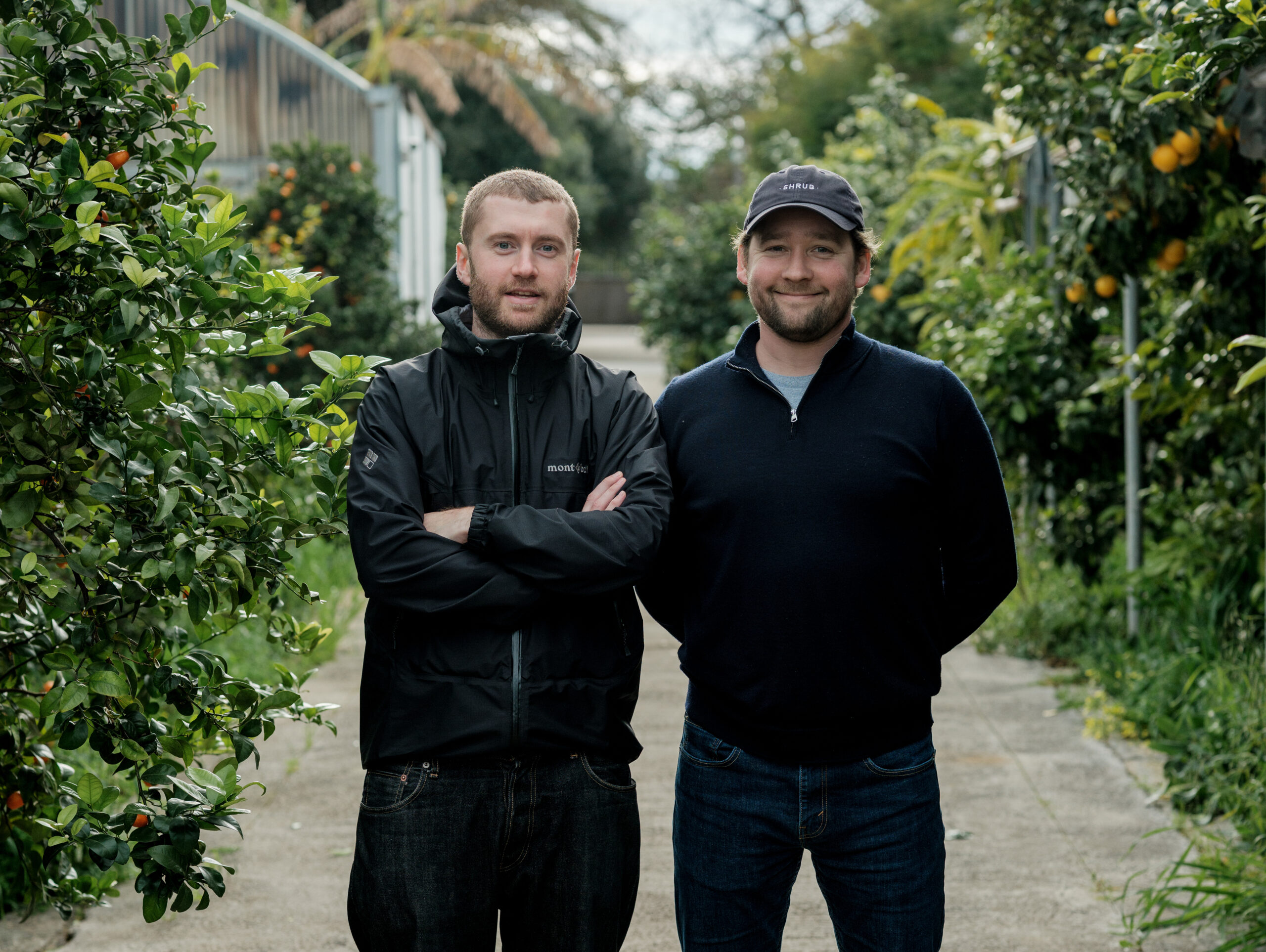
I’ve been going to the Abergavenny Food Festival for years and love seeing a town host people genuinely interested in the stories behind the food on our plates.
I grew up in Abergavenny when there wasn’t anything nearly so exciting as a festival, so to see how much it energises a town, brings in good food tourists and brings the local producers into the story of food is something I want to do here.
You’ve spent over 30 years as a food journalist, author and podcaster – how has that career shaped your vision for this festival?
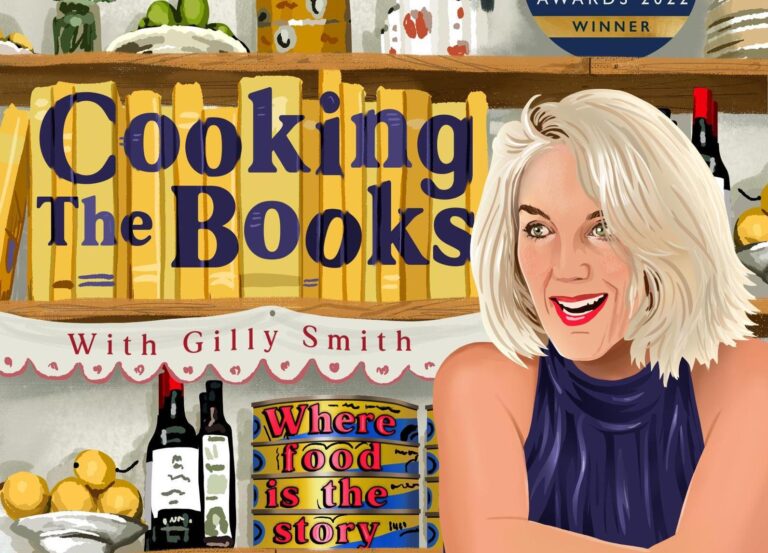
My work has always been about the back story of food – my very first job was making TV films for Sport Aid on the geopolitics of food. Fast forward to today and I’ll be working on a new series of Bang in Some Beans podcast for The Food Foundation as part of its campaign to double the consumption of beans in the UK by 2028. For my Cooking the Books podcast this week, I’ll be prepping for my interview later with Lebanese food writing legend Anissa Helou which, as you can imagine, brings together taste, talent and a hell of a lot of geopolitics again. Thirty years of asking chefs and food writers the ‘why’ behind the ‘what’ is basically the whole premise of this festival.
Brighton FoodStory is described as “idea-led rather than trade-led” – what does that distinction mean in practice, and why did it feel important to you?
The whole weekend is designed to provoke a civic-minded, inclusive buy-in to the food innovation and strategy already happening in the city. It’s a celebration of excellence in food and drink – from restaurants to produce, farming and fishing – and that means it has to be curated. You can’t buy your way in. That’s the bit that felt non-negotiable: if a stall or a speaker slot can simply be purchased, you end up with the loudest brands rather than the best stories, and that’s exactly the kind of greenwashing I wanted to push back against.
The festival is built around three pillars: Food Street, Discussions and Talks, and the Long Table Supper Club.
Can you talk us through each of them?
Food Street takes over New Road on the Saturday – it’s a market of stalls showcasing the taste and talent of the city, the people who source locally and seasonally and really put themselves out there for the sake of quality, plus a demo stage where chefs and cookbook writers can show off what they do and tell their stories through food.
Discussions and Talks is the ideas part of the weekend, again on the Saturday – panels and conversations with food writers, chefs, restaurateurs, farmers, fishers and campaigners, mostly happening on the terraces outside Red Roaster, exploring what we really need to know about food and how to eat well.
And the Long Table Supper Clubs takes it into the community – a network of long table dinners across Brighton and Hove, in community halls, churches, synagogues, temples and mosques, showing off the riches of our diverse migrant food cultures and the stories that go with them.
Food Street takes over New Road on Saturday 3rd October – what can visitors expect to see, taste and take away from it?
Expect a proper showcase of the city’s food talent rather than a row of identikit stalls – the traders on Food Street are the ones who source locally and seasonally and really put themselves out there for quality. There’s a demo stage running all day where chefs and cookbook writers will be cooking and telling the stories behind their food, and CookBookBake, the indie cookbook shop in Hove, will have a pop-up on the street too. It’s designed so you leave having tasted something brilliant, met the person who made it, and picked up a book or an idea you didn’t have that morning.
Who are you most excited to welcome to the Discussions and Talks programme at Red Roaster, and why?
It’s a genuinely stacked line-up. I speak every day for my work to people changing the conversation in food, so I’ve invited some of them down to blow our minds. Guy Singh-Watson, founder of Riverford, and his wife Geetie Singh-Watson, activist and restaurateur at The Bull in Totnes, will be making the case for sustainable, organic sourcing in hospitality. Paul Newnham, CEO of the SDG2 Advocacy Hub and Beans is How, is talking about the Chef’s Manifesto, alongside Anthony Field, Head of Compassion in World Farming UK, looking at what a future-fit food system actually needs to feed a city.
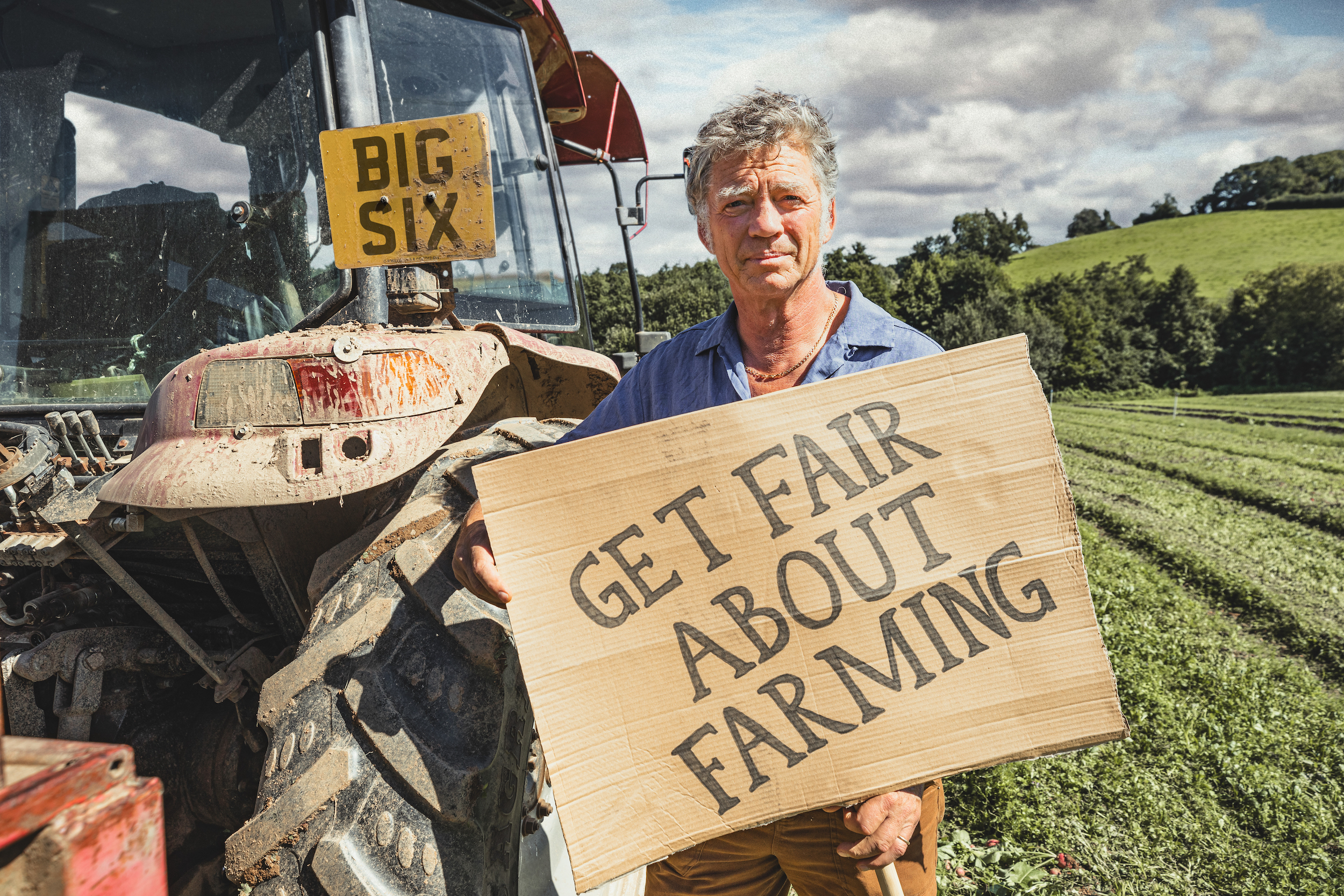
Farmacy will be talking about the UK’s first qualification in regenerative and sustainable hospitality. Matthew Thomson of Sustainable Food Cornwall and Lucy Heyderman from The Food Foundation will be talking about From the Ground Up, a citizen-led initiative on how a city or town builds a fairer food system. Plus Vic Borrill from the Brighton and Hove Food Partnership, Dan Parker from Veg Power on Bang in Some Beans, and Stuart Gillespie on his award-winning book, Food Fight, with more joining every day. It’s genuinely hard to pick a favourite.
Tom Kerridge is joining via video to talk about VAT – why did this issue feel important to include on the programme?
Because it’s the conversation every restaurant kitchen in this city is having whether they want to or not. VAT is unglamorous, but it shapes whether a small independent survives, so it felt an urgent need while building a weekend celebrating hospitality. This is about the economics that actually keep it standing. Tom’s sending a special video about it only because he can’t make it in person on the day. He really wanted to be there.
You’re recording a special Cooking the Books Live with Vicky Bennison as part of the weekend – what can people expect from it?
Vicky is the author behind Pasta Grannies, the YouTube sensation that’s turned nonnas making pasta by hand into a global phenomenon, so I couldn’t not have her on stage. We’ll be talking about what those grandmothers actually represent – food knowledge, food memories that are usually invisible, passed down rather than published, and at real risk of disappearing. She’ll also be on the Nonnamaxxing panel happening the same day, with Karen Newby, author of The Post Menopause Method, and the Network of International Women Brighton and Hove, looking at that same Instagram trend of grannies from all over the world becoming, unexpectedly, food influencers.
The Long Table Supper Club will take place across community halls, churches, synagogues, temples and mosques – what made you want to explore the city’s food this way?
Because that’s where the real story of how Brighton and Hove eats actually lives. It’s a network of long table dinners across the city that shows off the riches of our diverse migrant food cultures over a weekend of community feasts – finding the food, and the stories behind it, that are right under our noses. A panel discussion doesn’t tell you what it’s like to sit at someone’s table and eat the food their grandmother taught them to cook; a supper club does. The events will be run by the hosts themselves via EventBrite which I’ll pull together on BrightonFoodStory’s Instagram nearer the time.
How does BrightonFoodStory connect to the work already happening in the city’s schools, The Met catering college and community projects?
The whole festival is really about joining the dots between the talent at the table and the work that’s already going on quietly in schools, at The Met, and in community projects around the city. Brighton and Hove is already building a healthier, more sustainable food system – we just don’t talk about it loudly enough. BrightonFoodStory is designed to put those initiatives in the same room as the chefs and food writers people already pay attention to, so the city’s own food strategy gets the audience it deserves and the local and tourist buy-in.
Sustainability and a fairer food system are central themes of the weekend – what do you most want visitors, whether locals or tourists, to take away about how the city eats?
I want people to leave understanding that eating well and eating sustainably aren’t in tension – that reducing waste, respecting natural resources, cutting carbon and supporting a resilient local food economy is exactly what good taste actually looks like. This is meant to be a vision of what any city could be: a place where residents and visitors alike can become part of the change they want to see, rather than just spectators to it. The plan is to expand it next year, and then roll it out to towns and cities across the UK. Expect PlymouthFoodStory, ScarboroughFoodStory, GlasgowFoodStory in the next five years!!
You’ve worked closely with Cllr Birgit Miller in putting the festival together – how has that collaboration shaped the event?
Birgit brings something I don’t have on my own – two years as Cabinet Member for Culture, Heritage and Tourism gave her a real understanding of both the excellence of our restaurant and hospitality businesses and the challenges this sector is up against. Her family background is steeped in food too, generations of farmers and smallholders through to butchers, chefs and bartenders, so she gets instinctively why strong relationships between farmers, producers, hospitality and consumers matter. She’s been clear throughout that BrightonFoodStory is a chance for the city to demonstrate what a thriving, sustainable local food system can do for connection and cohesion, not just for the economy – and that’s shaped the whole tone of the weekend.
What role do you hope Brighton and Hove’s restaurants, chefs and wider hospitality businesses will play in the festival, both this year and beyond?
This year, I hope they’ll come and be part of the conversation – whether that’s trading on Food Street, hosting a Long Table dinner, or just turning up to the discussions and putting their own experience into the debate. Beyond that, I’d love BrightonFoodStory to become something the hospitality scene here genuinely owns, a fixture they help shape year on year rather than something that happens to the city. The businesses doing the right thing by people and planet are already here; this is about giving them a stage. But it’s also about making their customers the foot soldiers in creating a more sustainable hospitality industry here, demanding and supporting better practice which in turn brings food tourists here looking for an example of excellence, students coming to The Met catering college to train and then work in a city that leads the UK.. It’s all circular!
Your podcast work, from Cooking the Books to the Food Foundation Podcast and Compassion in World Farming, often explores food, philosophy and ethics. How does that thread run through BrightonFoodStory?
It’s the same thread, really, just live instead of recorded. Whether it’s Cooking the Books, the Food Foundation Podcast or the work I do with Compassion in World Farming, I’m always trying to get past the recipes to the politics and the ethics underneath it – who grew it, who cooked it, who couldn’t afford it, what it cost the planet. This is just a different platform to discuss it all over some great food and in the company of real gamechangers.
Is there a personal food philosophy that’s guided the choices you’ve made in curating the programme?
In an interview for the delicious. podcast in 2016, Philip Lymbery, global CEO of Compassion in World Farming told me – and therefore thousands of delicious. magazine readers – that we all have a chance to transform the food system, three times a day. I’d like to power up the people of Brighton and Hove, and our tourists – to do that.
As Vivienne Westwood said, “There’s too much to do to do nothing at all”
What would success look like for the first BrightonFoodStory – and do you hope it becomes an annual fixture on the city’s calendar?
I’d love every restaurant to source locally and seasonally and to name check their suppliers. To get there, we need customers to ask every time they eat out where the restaurant gets their meat, fish and dairy. And to know why the answer matters.
And yes, I’d love this to be annual. Abergavenny didn’t become Abergavenny overnight either.
For hospitality businesses or individuals in Brighton and Hove who want to get involved, what should they do next?
Get in touch. I’m gilly@gillysmith.com Follow BrightonFoodStory’s Substack and let me have your stories, if you have them to tell. Follow @BrightonFoodStory on Instagram and get involved with the supper clubs as I start to post them, either by booking or hosting your own.