
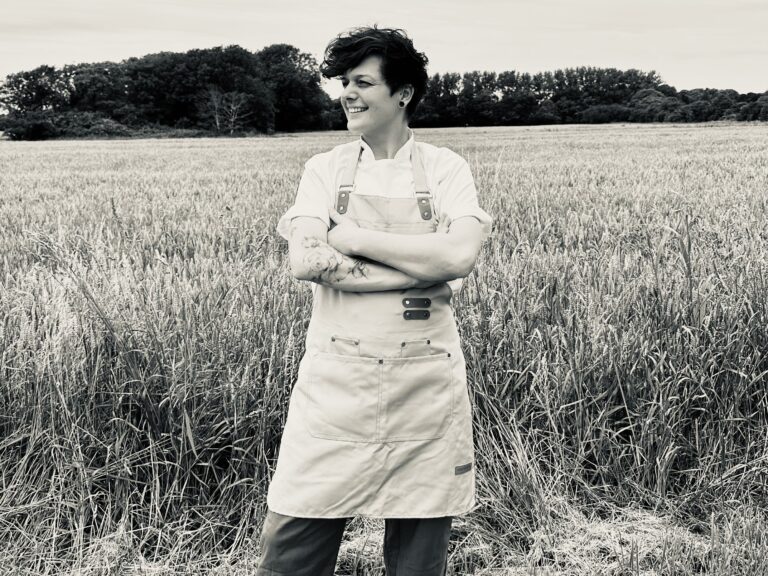
Fifteen years ago, Brigi Stamber arrived in Brighton from Hungary expecting to stay six months. She never left. An accidental shift covering for an absent chef sparked an obsession with dough and fermentation that has since made her UK Pizza Chef of the Year twice over, first at the PAPA UK Pizza Awards in 2023, then the National Pizza Awards in 2024.
That obsession now lives at Stretch, her pizzeria on Portland Road in Hove, built around Rise Re Gen, a British regenerative flour she believes makes Stretch the first pizzeria in the country to use it. Here, Brigi talks Brighton, dough and why sustainability and flavour make each other better.
You moved to Brighton from Hungary fifteen years ago, planning to stay for just six months. What was it about the city that made you stay for good?
When I came to Brighton from Hungary, I genuinely thought I’d stay for six months and then go home. Fifteen years later, I’m still here.
There was something about Brighton that immediately felt different. It was colourful, creative, a little bit chaotic and completely open-minded.
I loved that people seemed free to be themselves. Coming from Hungary, that feeling of freedom really stayed with me.
I also fell in love with the people and the sense of community. Brighton has always had this incredible mix of independent businesses, artists, chefs, musicians and people with ideas. There is always something happening and always someone doing something differently.
I came here for six months and somehow built a life. Now, I can’t really imagine Stretch anywhere else.
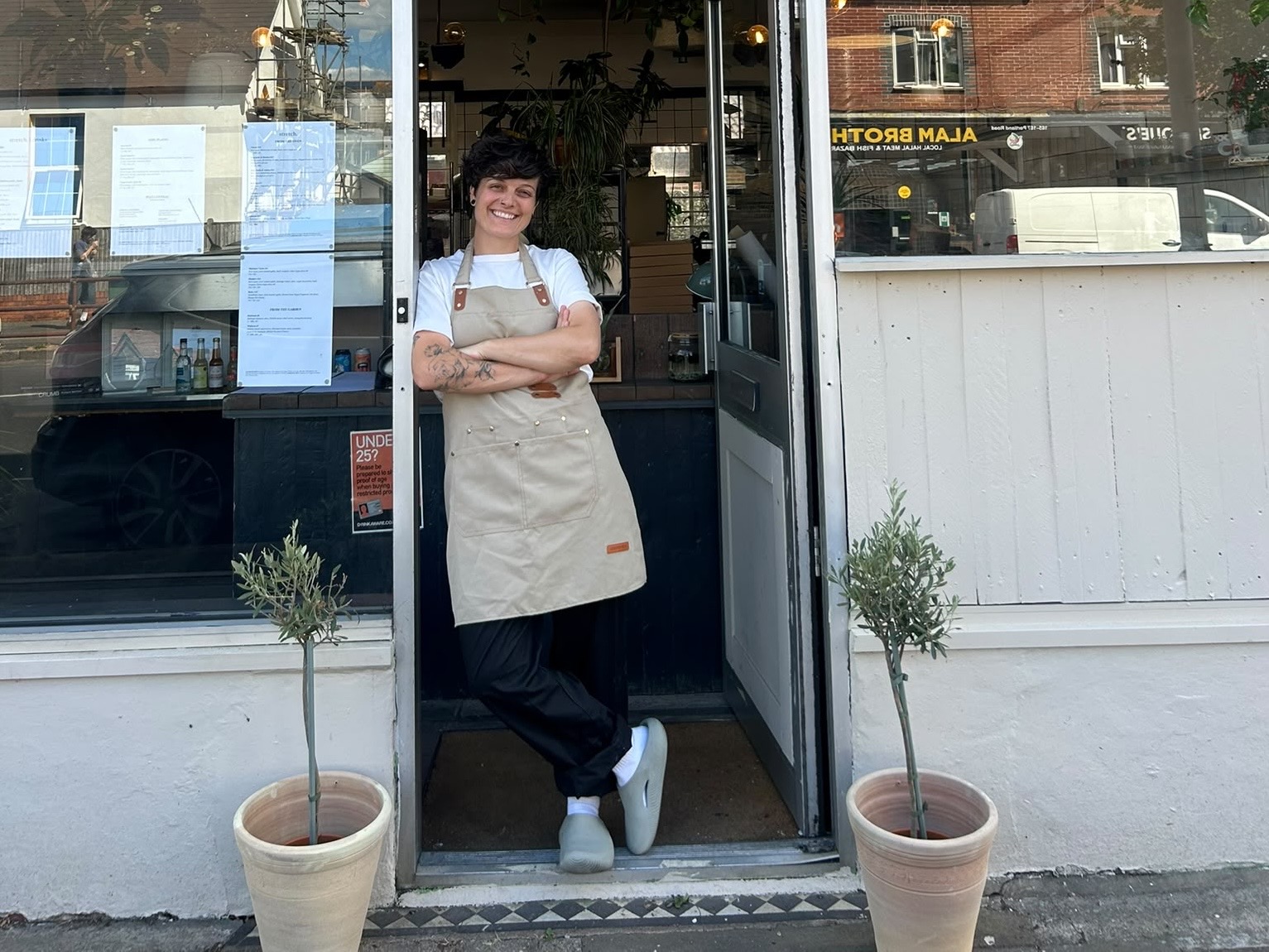
What do you remember about falling in love with Brighton in those early days, and what does the city still give you now that you did not expect back then?
I think it was the feeling of freedom that really stayed with me. When I first arrived, Brighton felt like a place where you could be whoever you wanted to be. Nobody seemed too interested in judging you, and I found that really refreshing.
I loved walking around the Lanes, going down to the pier, being by the sea and the energy of the nightlife.
What I never expected was how much of a food community I would become part of. Brighton and Hove has such an incredible independent hospitality scene, and there is a real feeling of people supporting each other.
That means a lot to me now. Stretch has been built with the support of this community, and I don’t take that for granted.
The city has given me friendships, opportunities, inspiration and a place where I have been able to grow into who I am. I think that is why Stretch feels so connected to Brighton. It isn’t just where the restaurant is — it is part of the reason it exists.
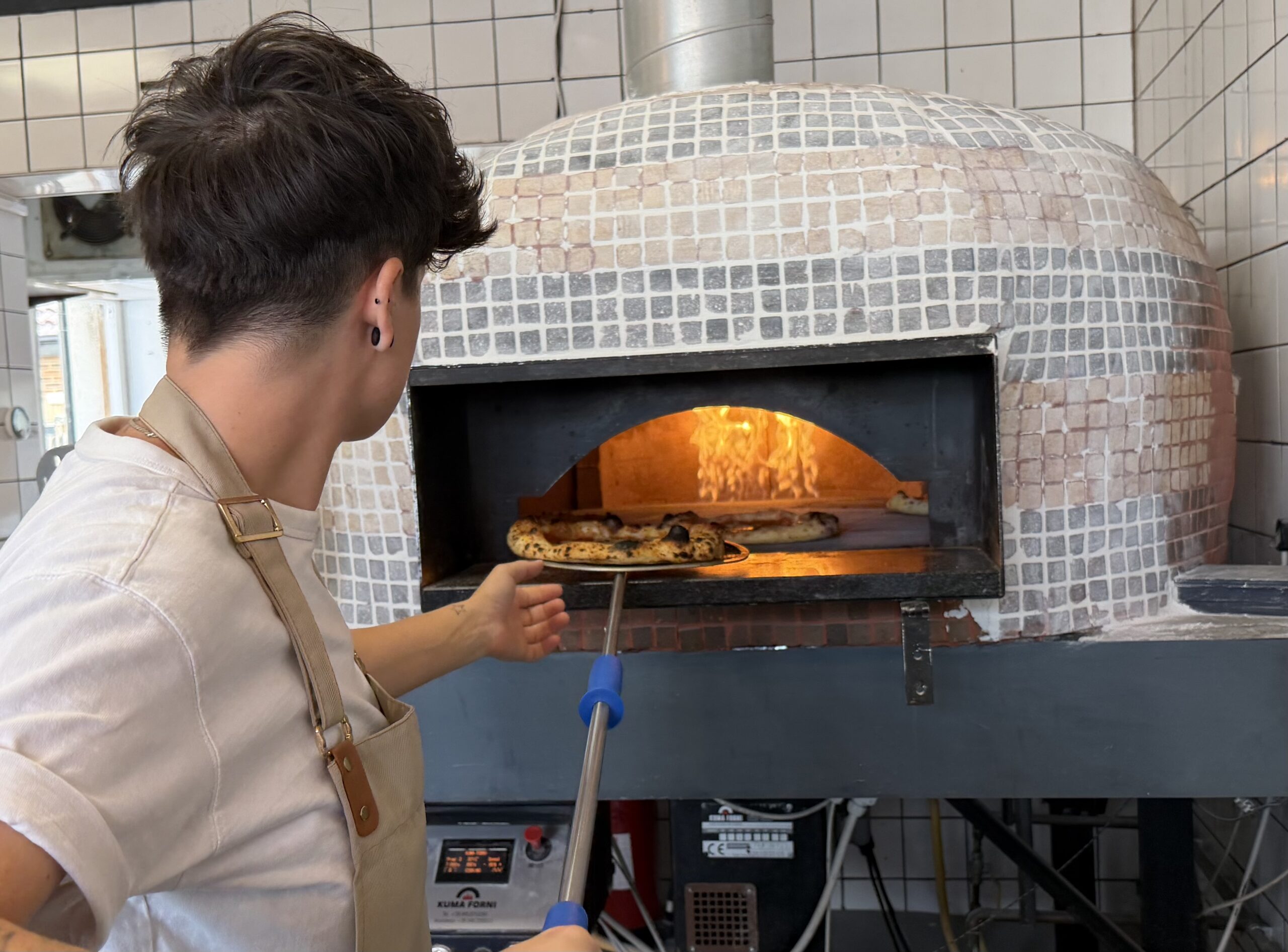
Your path into pizza started almost by accident in a kitchen. Can you take us back to that moment and tell us how it turned into a lifelong passion?
It really was an accident.
I was working as a general manager and one day the chef couldn’t make their shift. I remember saying, “I’ll do it.” And then very quickly realising that I couldn’t.
I remember the adrenaline of that day. I was thrown straight into it, and something just clicked for me. From that moment, I became completely obsessed with pizza.
The more I learnt, the more questions I had. Why does one flour behave differently from another? What happens to the dough when you change the fermentation? How does temperature affect the crust? Why can two pizzas with exactly the same ingredients taste completely different?
Twelve years later, I’m still asking those questions.
That’s probably why I’ve never got bored of pizza. It looks simple, but once you start looking underneath the surface, there is so much to discover.
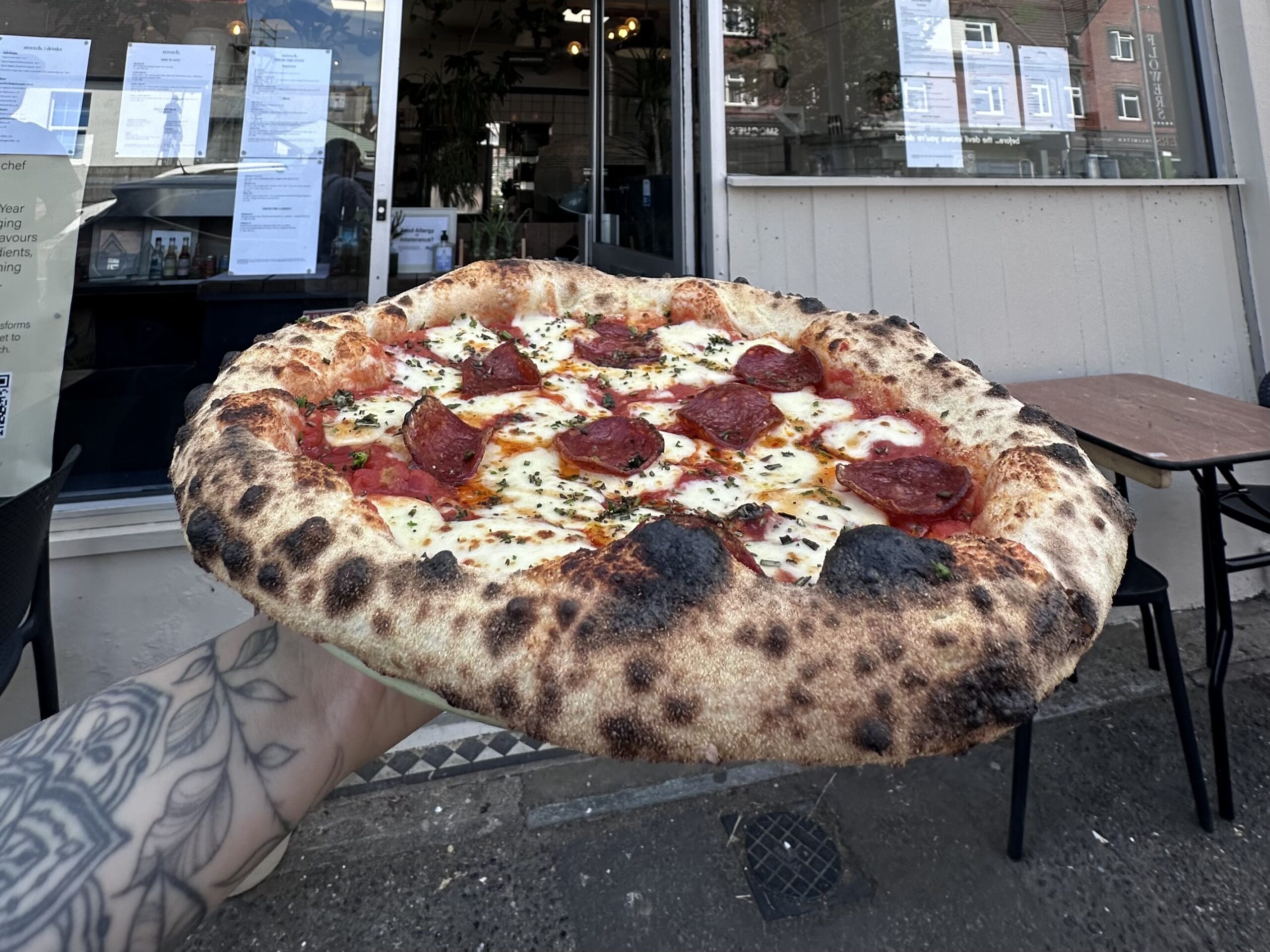
Twelve years on, you still describe pizza as a craft you never fully master. What keeps you so endlessly fascinated by fermentation, flour and technique?
Because there is always another level.
Dough is alive. Flour changes, the weather changes, the temperature changes and fermentation behaves differently. You can make what you think is the perfect dough and then realise there is still something you could improve.
I love that combination of precision and unpredictability.
You need to understand the science, but you also need instinct. You have to learn to read the dough rather than simply follow a recipe.
There are chefs who believe the human touch makes dough better. I’m definitely one of those chefs. You need to feel the dough. You can look at it, measure it and understand the science behind it, but your hands will often tell you something the numbers can’t.
You have been named UK Pizza Chef of the Year in two separate competitions. What did those wins mean to you, and what do they tell us about the strength of the pizza scene in Britain today?
Winning PAPA UK Pizza Chef of the Year in 2023 and then Pizza Chef of the Year at the National Pizza Awards in 2024 was a huge moment for me.
It meant a lot because pizza is still sometimes treated as something casual or simple, when there is an enormous amount of skill behind making really great pizza.
For me, those awards weren’t just about winning. They were a recognition of the years of work, learning and obsession that had gone into my craft. They made me feel that pizza was finally being taken seriously in the way I always believed it should be.
But I also think they say something about British pizza as a whole. The scene here has become incredibly exciting. There are chefs pushing boundaries, producers making amazing ingredients and independent pizzerias doing things in completely different ways.
I’m proud to be part of that generation of pizza chefs who are helping to show just how far pizza can go.
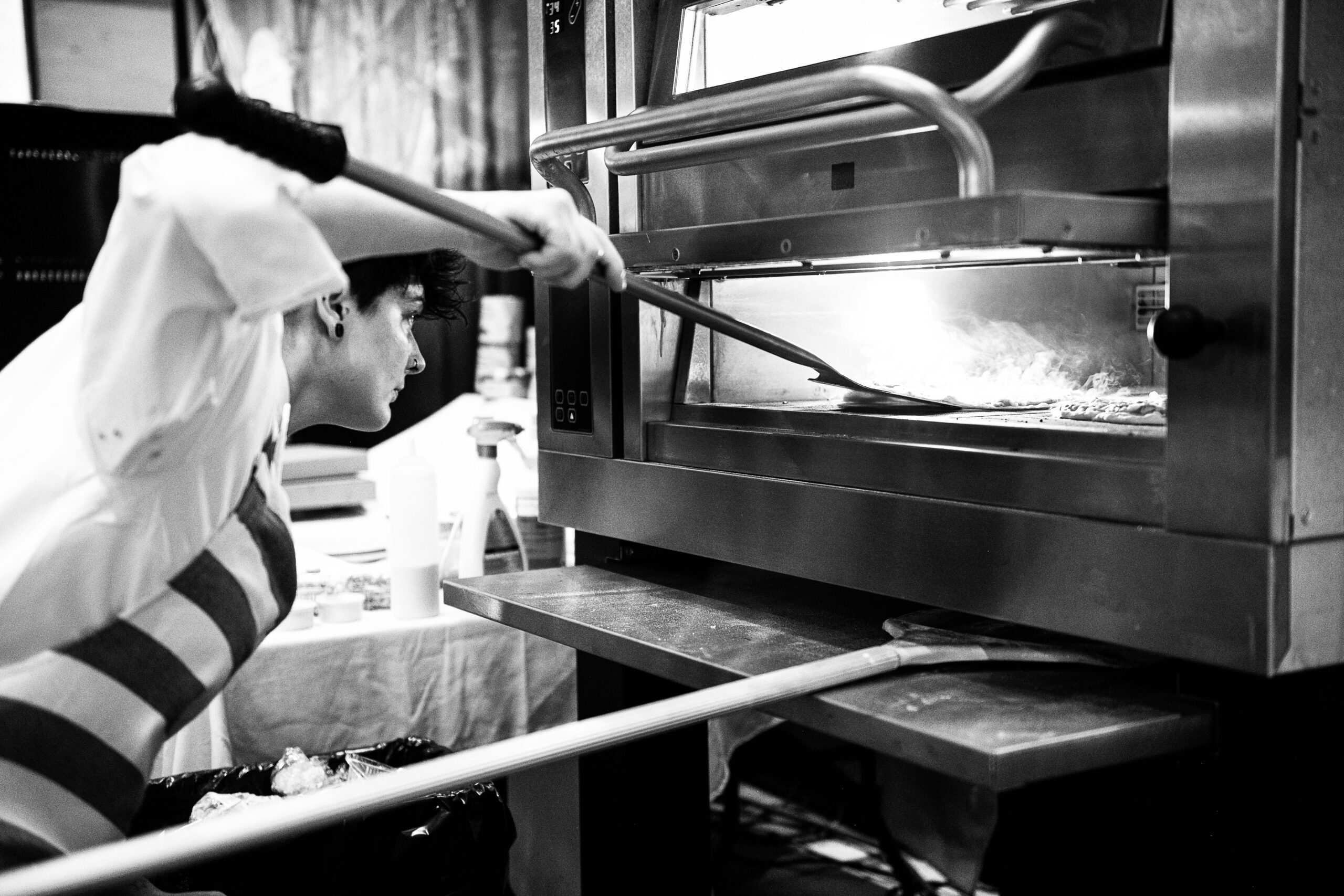
Stretch is described as the restaurant you always dreamed of creating. When did the idea for your own place first take hold, and how did the vision finally come together?
The idea had been in my head for years.
I knew that if I ever opened my own place, I wanted it to represent everything I had learnt over the years — not just about pizza, but about ingredients, farming, hospitality and sustainability.
Stretch is very personal to me. It is the first time I’ve been able to put all of those things together in one place and make decisions based on what I genuinely believe in.
I wanted pizza to be taken seriously without the restaurant taking itself too seriously. Somewhere modern and thoughtful, but still warm and welcoming.
From the flour we use to the producers we work with, the menu, the way we cook and the way we treat people, I wanted everything to have a reason behind it.
Stretch isn’t just a restaurant I opened. It is a reflection of how I want to cook and how I want hospitality to feel.
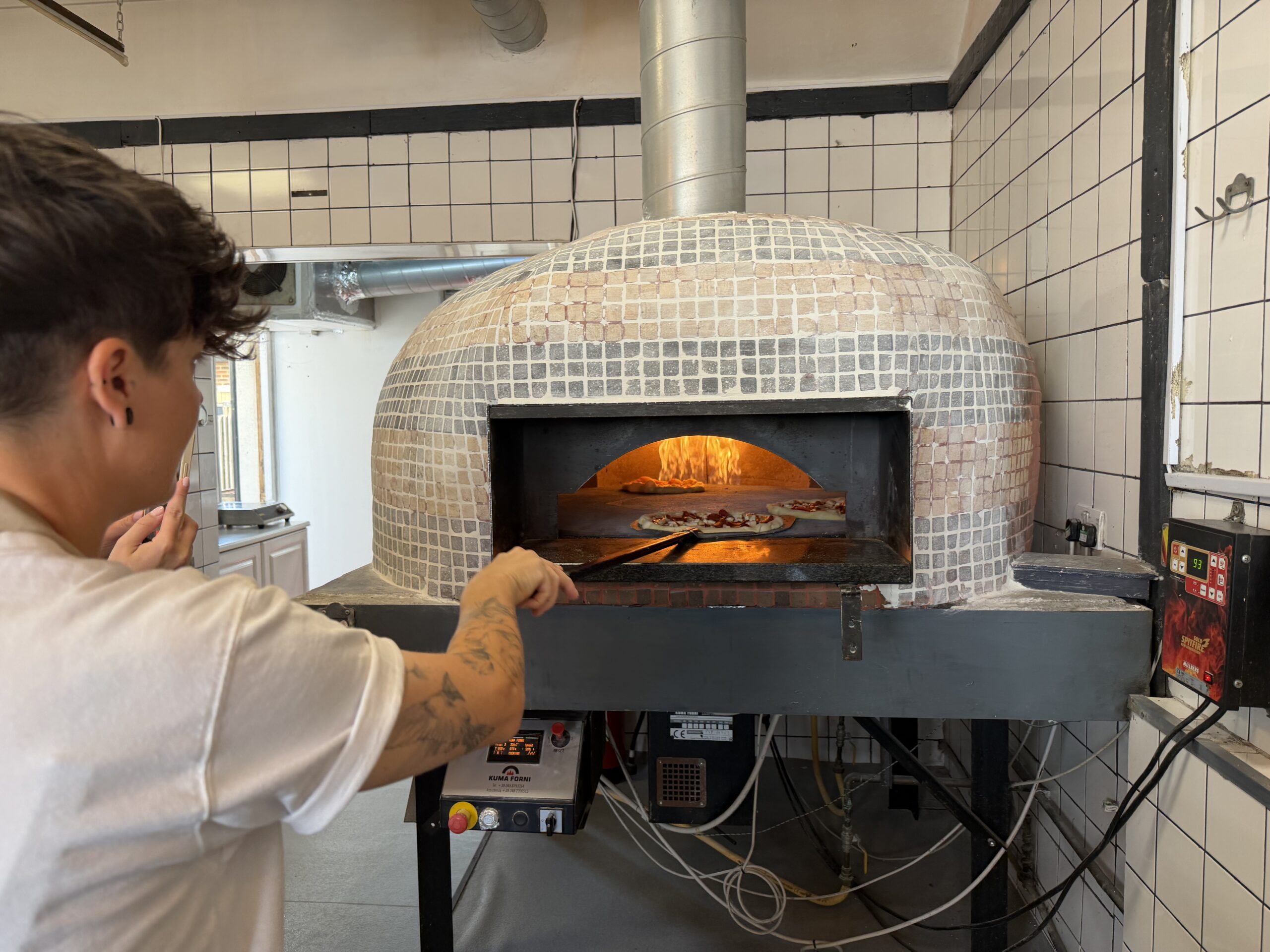
Stretch is proud to work exclusively with Rise Re-Gen, a British regenerative flour, and you believe you are the first pizzeria in the UK to do so. What drew you to regenerative farming, and why did it feel so important to build the business around it?
The more you look into the food industry, the more you see the cracks — how much chemical input is used, how disconnected food can become from the land and how little people sometimes know about what they are actually eating.
But I don’t want to preach about the problems. I want to celebrate what is good in hospitality.
That’s why I carefully select the people I work with. For me, Rise is the foundation of Stretch. The flour we use is grown and milled in England and comes from regenerative farming, without the chemical inputs associated with conventional farming. It also has a great nutritional profile.
I think we are entering an exciting era where we have the opportunity to show people that eating well doesn’t mean giving anything up.
Actually, I think it can mean the opposite.
Food can be delicious, exciting and indulgent while still being produced with more care for the land and the people behind it.
For me, that is what Stretch is about. I don’t want sustainability to feel like a compromise. I want it to be part of why the food is so good.
How would you describe your style of cooking at Stretch, and how has it evolved as you have pushed the boundaries of what pizza can be?
I would describe it as modern, seasonal and ingredient-led.
I’ve spent a lot of time learning the traditional side of pizza, and I have enormous respect for it. But I don’t think respecting tradition means you can never move beyond it.
At Stretch, I like taking familiar ideas and looking at them differently. Vegetables are a huge part of what I do, and I want them to be exciting rather than feeling like an afterthought.
I also love working with British ingredients and letting the seasons influence what goes on the pizza. I want the menu to change because the ingredients change.
I think my cooking has become less about proving what I can do and more about making something that feels honest, delicious and connected to the ingredients.
You often talk about the stories behind your ingredients and the local farmers and producers you work with. Why does that relationship matter so much to you?
Because food doesn’t start in the kitchen.
It starts with the farmer growing the wheat, the person making the cheese, the producer curing the meat or the farmer looking after the vegetables. There are so many people behind one pizza.
I want to know those people. I want to understand how they work, why they care about what they produce and what challenges they face.
When you build those relationships, you cook differently. You have more respect for the ingredient because you understand where it has come from.
At Stretch, I want people to taste something and know there is a story behind it. Not because we need to shout about it, but because good ingredients usually come with good stories.
You believe sustainability and exceptional flavour make each other better rather than competing. How does that philosophy show up on the plate at Stretch?
It starts with the ingredients.
I don’t think sustainability should be something you bolt onto a restaurant afterwards.
It should be part of the decisions you make from the beginning — who you buy from, what you cook, what is in season and how you use it.
I also think sustainability encourages creativity. If you cook with what is genuinely good and available at a particular time of year, you have to think differently. That keeps the menu exciting.
Ultimately, I don’t want someone to eat at Stretch and think,” this is sustainable food”.
I want them to think, “this is really bloody good food.”
Then, if they discover that the flour came from regenerative farming, the vegetables came from a good producer or the cheese was made by someone who genuinely cares about what they do, even better.
Stretch has found its home on Portland Road in Hove. What do you love about this part of the city, and why did it feel like the right setting for what you wanted to build?
I love that it feels like a real neighbourhood.
Portland Road has independent businesses, people who live locally, families, regulars and a real sense of community. That’s exactly what I wanted Stretch to be part of.
There is something really special about having regulars who know you, people who pop in because they live around the corner, and customers who have followed the journey from the beginning.
Hove has that lovely balance of being relaxed and local while still having a really strong food culture.
It felt right from the beginning.
Beyond your own kitchen, where are your three favourite places to eat and drink in Brighton and Hove, and what is it about each of them that keeps you coming back?
This is such a difficult question because Brighton has so many places I love, and I’m always discovering somewhere new.
Spice Circuit Kitchen is somewhere I keep going back to because I. Truly admire Kanthi and his flavours. I love places where you can feel that the people behind the food genuinely care. You can taste it.
Goemon Ramen Bar is another favourite. I am a big fan of Asian food, especially ramen.
La Choza: Especially the on in the lines, makes you feel like you are on holiday and the food is crazy good!
What does hospitality mean to you personally, and what do you hope every guest feels and remembers after a visit to Stretch?
For me, hospitality is about making people feel genuinely welcome. It sounds simple, but I think that’s what good hospitality comes down to.
I’ve spent a big part of my life in hospitality, so I’ve experienced it from every side — working in the kitchen, running a restaurant, and sitting on the other side of the table as a guest. I know how much of a difference it makes when someone genuinely cares about your experience, rather than just doing their job.
That’s what I want Stretch to be. Somewhere that feels warm and relaxed. You can come in knowing everything about pizza, or absolutely nothing about it. You can be interested in regenerative farming, or you can simply be hungry. Either way, you should feel looked after.
I want people to eat something delicious, have a drink, have a laugh and maybe stay a little longer than they planned to.
And when they leave, I want them to think,” that was really good. I want to come back.”
For the home cook working with 00 flour and a pizza oven, what are your top tips for getting closer to a proper pizzeria result?
First of all — don’t be scared of the dough.
I think people sometimes make pizza dough sound much more complicated than it actually needs to be. Start simple and make it again and again. You learn by doing.
Give your dough time. Don’t try to rush fermentation because you’re hungry and want pizza tonight! The flavour and texture you get from properly fermented dough is completely different.
And learn to feel it. This is something I really believe in. You can have the perfect recipe written down, but your kitchen isn’t my kitchen. Your flour, your temperature, your water and your environment are all going to be slightly different. The dough will tell you what it needs.
Don’t overload your pizza either. I see this all the time at home. People think more toppings means a better pizza, but it usually just makes a heavy pizza.
And then just make loads of them. Your first pizza might be terrible. Your second might be slightly less terrible. Then suddenly one day you pull one out of the oven and think, oh… I’ve got it.
That’s the fun bit.
If you had to name the top five things that make the biggest difference to a better pizza, what would they be?
Flour.
This is where it starts for me. I spend a lot of time thinking about flour because it is literally the foundation of the pizza.
Fermentation.
Don’t rush it. Time is one of your best ingredients. Learn your dough and give it the time it needs.
Feel.
This might sound strange, but use your hands. I genuinely believe you need to feel the dough. You can measure everything, but at some point you have to trust your hands and your experience.
Ingredients.
You don’t need twenty toppings. A pizza with a few beautiful ingredients will always be more exciting to me than one covered in everything.
Heat.
Get that oven as hot as you can. Pizza likes heat. That quick bake is what gives you the contrast I love — a little char on the outside, a soft, light centre.
And honestly, I would add one more thing: curiosity.
Keep asking questions. That’s what has kept me making pizza for all these years. I’m still learning, still changing things and still getting excited when a dough behaves exactly how I wanted it to.