
Guest post by Recorra.
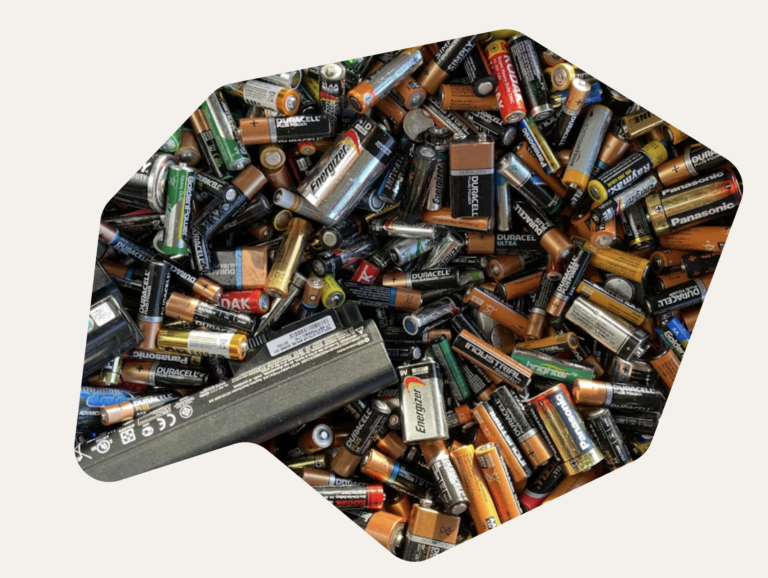
Batteries and vapes might look harmless in a bin, but they’re a growing fire risk for hospitality venues. From bin lorry blazes to fresh legislation on vape sales, here’s why Brighton’s restaurants, cafés and pubs need a proper disposal plan, and how a few small changes can prevent a much bigger problem.
The Small Items Causing a Big Problem
This summer, fire risk has been hard to ignore.
With heatwaves, dry weather, and warnings about wildfires, we’ve all been more aware of how quickly a fire can start and spread. But there’s another fire risk that often goes unnoticed, and it could be hiding in your bins.
Batteries and vapes.
What Happens When Batteries End Up in the Wrong Bin?
When batteries and vapes are thrown into general waste or mixed recycling, they can be crushed or damaged during collection and processing, causing them to overheat and ignite.
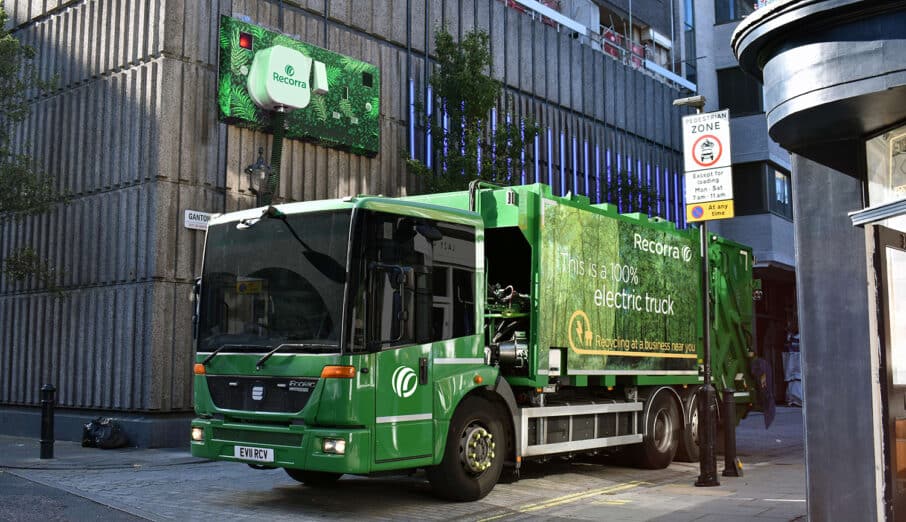
If a fire starts inside a collection vehicle, the consequences can be immediate. The driver may have to stop and tip the entire load out wherever they are so the fire can be tackled.
Imagine a whole bin lorry’s worth of waste being emptied onto the road in the middle of a busy street.
All because of one small battery.
Why Does This Matter to Hospitality?
Restaurants, cafés, pubs, and hotels are busy places, and with lots of people using bins throughout the day, it’s easy for small items to end up in the wrong place.
A vape or battery can easily be dropped into a general waste or mixed recycling bin. Once it enters the waste system, it becomes much harder to spot. For businesses in busy towns and city centres, a fire in a collection vehicle can also cause disruption right outside your door.
Legislation is Changing
The conversation around batteries and vapes is moving quickly.
The ban on single-use vapes has already changed the way businesses need to think about vape waste, with any remaining stock needing to be recycled safely.
Further changes are also coming. From 29 October 2026, new rules under the Tobacco and Vapes Act will introduce updated restrictions around the sale of vaping and nicotine products, including a UK-wide age-of-sale rule for all vaping products.
The Government is also continuing to consider reforms to battery regulations, as the fire risk posed by batteries in the waste stream remains a major concern.
So, What Can Hospitality Businesses Do?
The first step is simple: make sure batteries and vapes don’t end up in your general waste or mixed recycling bins.
Providing a clear disposal point for staff can help keep batteries out of the wrong waste streams. If your business sells or supplies vapes, there are additional recycling responsibilities to consider too.
Small changes in the back of house can help prevent bigger problems further down the line.
Because when it comes to batteries and vapes, where they end up really matters.