
Guest post by Sandra Juan Delgado – Social Impact and Sustainability Manager, Chartwells Universities
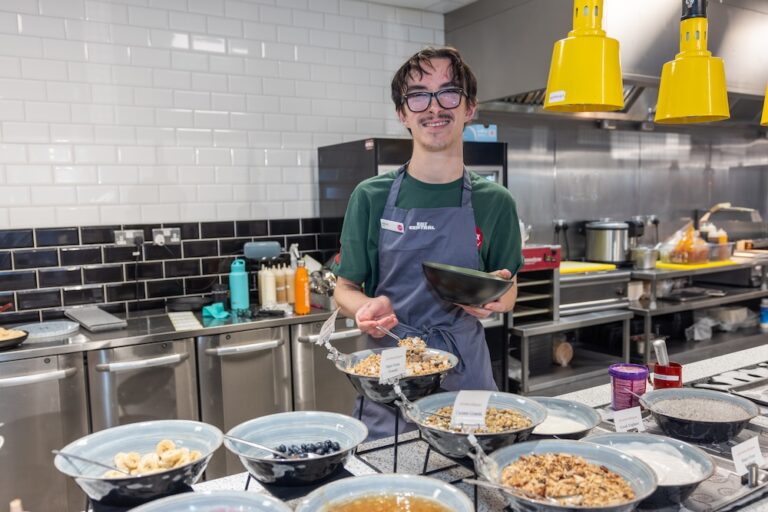
At Chartwells Universities, we believe hospitality should be inclusive, skilled, and reflective of the communities it serves. That’s why we’re proud to be a host business for a Supported Internship programme based at the University of Sussex, delivered in partnership with DFN Project Search and Brighton-based St. John’s College. This programme offers autistic young people meaningful, hands-on experience within our catering operations.
As a major hospitality provider in the education sector, we see first-hand how the right training and environment can unlock talent, and this programme is doing exactly that.
What is a supported internship?
A supported internship is a work-based study programme designed to help young people with additional needs transition into paid employment. Rather than focusing on classroom learning alone, interns spend most of their time in real workplaces, gaining practical experience while receiving tailored support.
Each intern is supported by:
- A dedicated job coach, who helps them learn tasks, build confidence, and adapt to the workplace
- A personalised training plan focused on employability and independence
- Close collaboration between the education provider, the employer, and the intern
The goal is to prepare interns for sustainable, long-term employment.
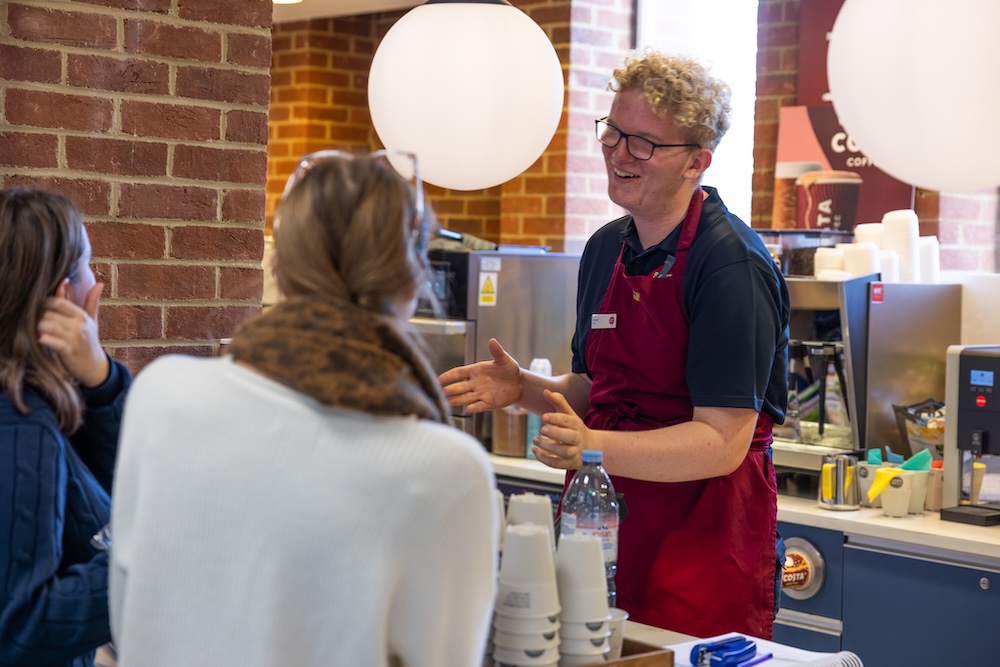
Hospitality offers structure, routine, and a wide range of clearly defined roles, making it an excellent environment for many young autistic people to thrive. At Chartwells Universities, we’re able to offer rotational placements across multiple outlets at the University of Sussex, exposing interns to different areas of the business.
These rotations allow interns to discover where their strengths lie, while developing a broad understanding of how a professional hospitality operation works.
Skills our interns are gaining
At our programme, interns are developing industry-relevant, transferable skills across a variety of roles, including:
- Barista training
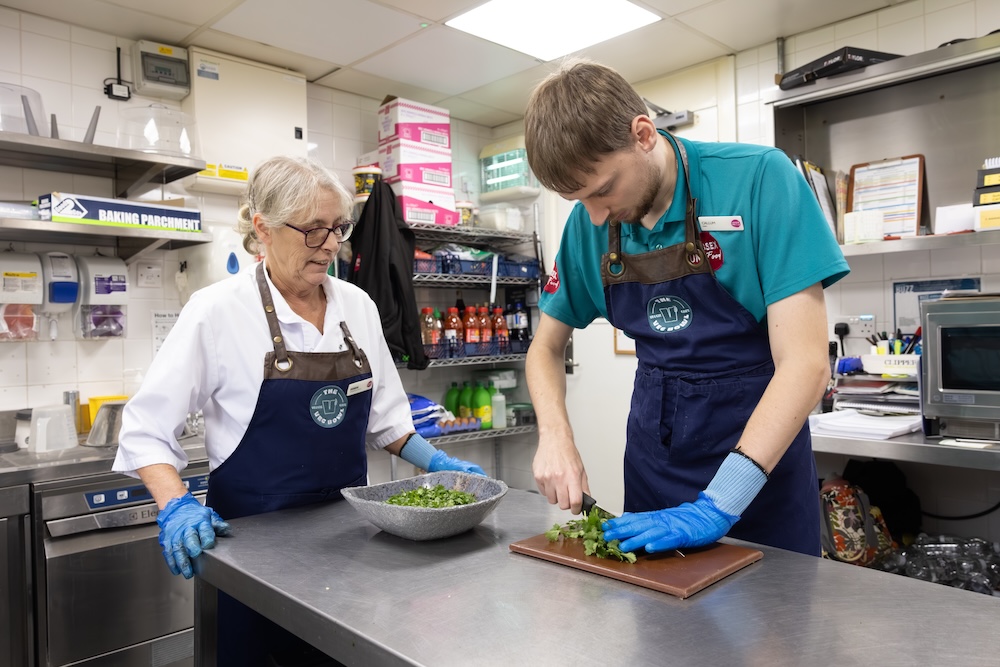
- Kitchen porter roles
- Warehouse and logistics
- General hospitality support
Alongside role-specific skills, interns also build essential employability skills such as reliability, confidence, teamwork, and independence, all crucial for success in any hospitality setting.
Training is structured, supportive, and delivered at a pace that ensures interns are genuinely job-ready, not just work-experienced.
What this means for local hospitality businesses
As a host business, we know how important confidence is when recruiting new team members. Supported internships offer local businesses access to trained, motivated candidates who have already worked in a professional hospitality environment with ongoing support.
Hiring autistic young people can bring real benefits to businesses. Many demonstrate strong attention to detail, consistency, loyalty, and pride in their work. At a time when our sector continues to face recruitment and retention challenges, supported internships can be part of a long-term solution.
While we would be delighted to offer roles to all of our interns, we don’t have job openings for everyone, which is why partnerships with local hospitality businesses are so important.
Although the programme hasn’t finished just yet, I wanted to start opening the conversation now. Over the summer, we’ll be hosting a reverse jobs fair, where interns will showcase their skills directly to potential employers; a chance to meet talented young people who are ready and eager to work.
With the right support and opportunities, these young people have so much to offer our industry, and we’d love Brighton’s businesses to be part of that journey.