Hi, I’m Sandra, currently the Social Impact & Sustainability Manager for Chartwells at the University of Sussex. Originally from Mexico, I moved to Brighton six years ago to pursue a master’s degree in sustainability and quickly fell in love with the city’s vibrant food scene. A foodie at heart, I’ve now worked in hospitality for over four years.

I’m no oracle of hospitality, but I have learned a fair bit about where good food and good practice meet socially, environmentally, and financially.
It’s no secret that the hospitality industry has been under pressure for some time. When your priority is simply keeping the doors open, sustainability can feel like a luxury rather than a necessity. But the truth is, done right, sustainability can actively save your business money. Here are four practical, realistic steps that can make an immediate difference.
1. Reduce food waste (and costs) by understanding where it comes from
Food waste is one of the biggest hidden drains on a business’s bottom line. In the UK hospitality and food service sector, waste costs an estimated £3.2 billion every year (roughly £10,000 per outlet). You can’t reduce what you don’t measure, so start by tracking where your waste is coming from.
Ask yourself:
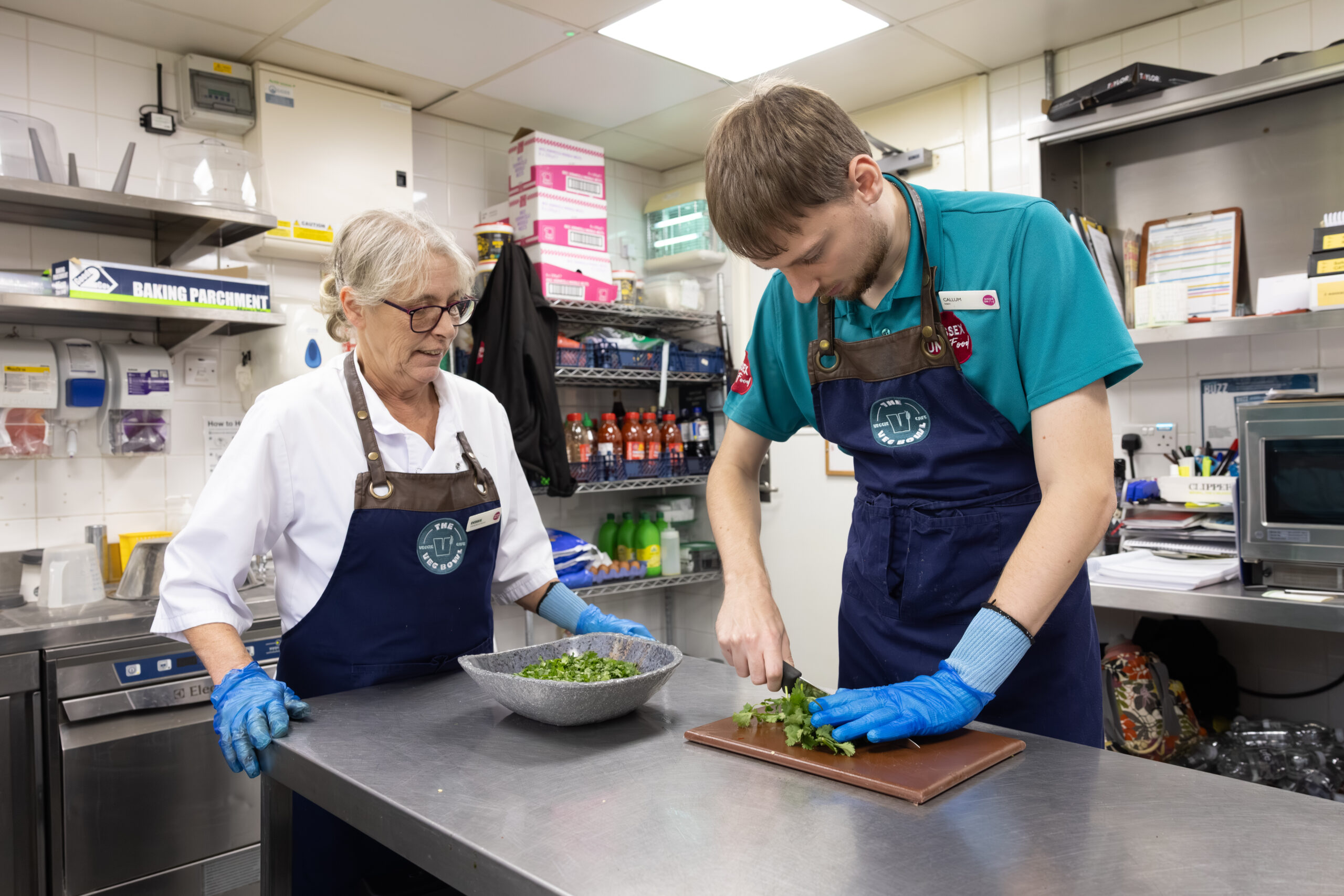
- Is prep waste too high? Train your team to use vegetable scraps creatively. Think stocks, soups, or even pickled stems.
- Is a particular dish consistently coming back unfinished? Review portion sizes.
- Are garnishes getting binned untouched? Consider edible alternatives customers will actually enjoy.
Small changes in awareness and training can lead to significant savings.
2. Use seasonal produce without breaking the bank
Seasonal menus are growing in popularity and demand, but for smaller food businesses the worry is often higher costs or extra effort and time. In previous hospitality roles, I found a few strategies particularly effective:
- Buy in bulk when ingredients are abundant and cheaper.
- Preserve creatively: pickles, ferments, jams, chutneys and frozen stocks stretch produce across seasons while adding character to your menu.
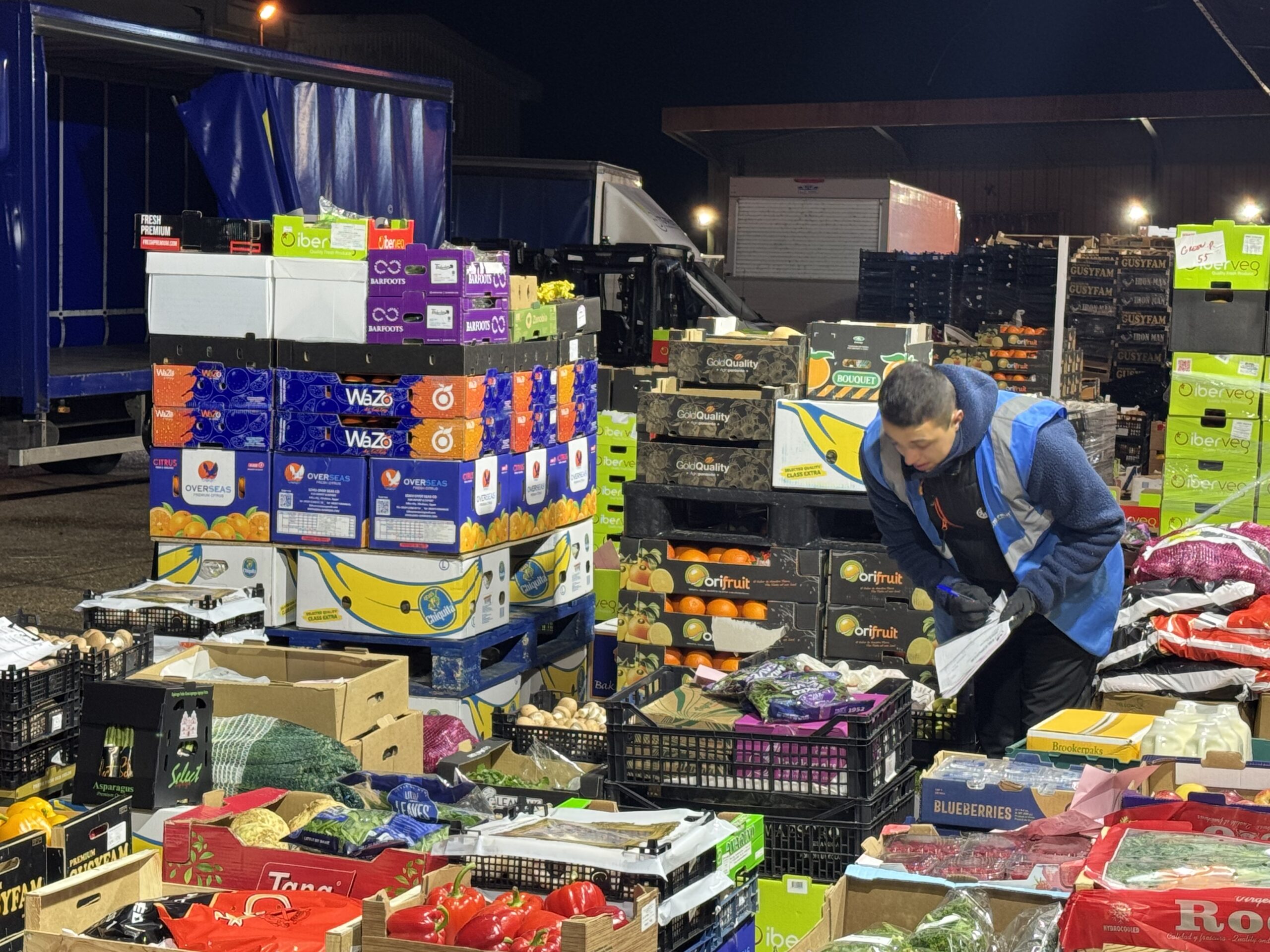
And don’t forget the power of local suppliers. Working directly with producers can offer more competitive pricing than you might expect, plus shorter supply chains and a fresher menu. The Brighton & Hove Food Partnership has excellent resources in their Buy Locally section.
3. Get smart about water and energy use
With rising utility costs, this is an area where awareness alone can save real money.
- Train your team on simple habits like turning taps off between tasks (you’d be surprised how often they’re left running unnecessarily).
- Check equipment settings and maintenance schedules. A well-maintained fridge or dishwasher uses far less energy than an overworked one.
- Identify peak-use times and explore small operational tweaks that spread energy demand more evenly.
Sometimes savings come from behaviour change, not big investments.

4. Rethink blue roll and cling film (your budget will thank you)
Blue roll is a hospitality staple, but careful with not letting your team overuse it, as excessive use adds up quickly. The same goes for cling film. Ask your team and yourself:
- Do we really need blue roll for every wipe-down?
- Could reusable cloths do the job just as well?
- Can we swap cling film for reusable lids, containers or silicone covers?
These simple switches reduce waste and cut recurring costs.
A more sustainable future that supports businesses
Sustainability doesn’t have to be complicated, expensive, or time-consuming. Small behaviour shifts can have a big financial impact.
Brighton’s food scene is one of the city’s greatest assets. By making sustainability practical and profitable, local businesses can stay resilient while continuing to offer the creativity and community spirit that make our hospitality scene so special.
If you’d like help exploring any of these ideas further, get in touch as I’m always happy to chat with fellow Brighton food lovers and business owners.