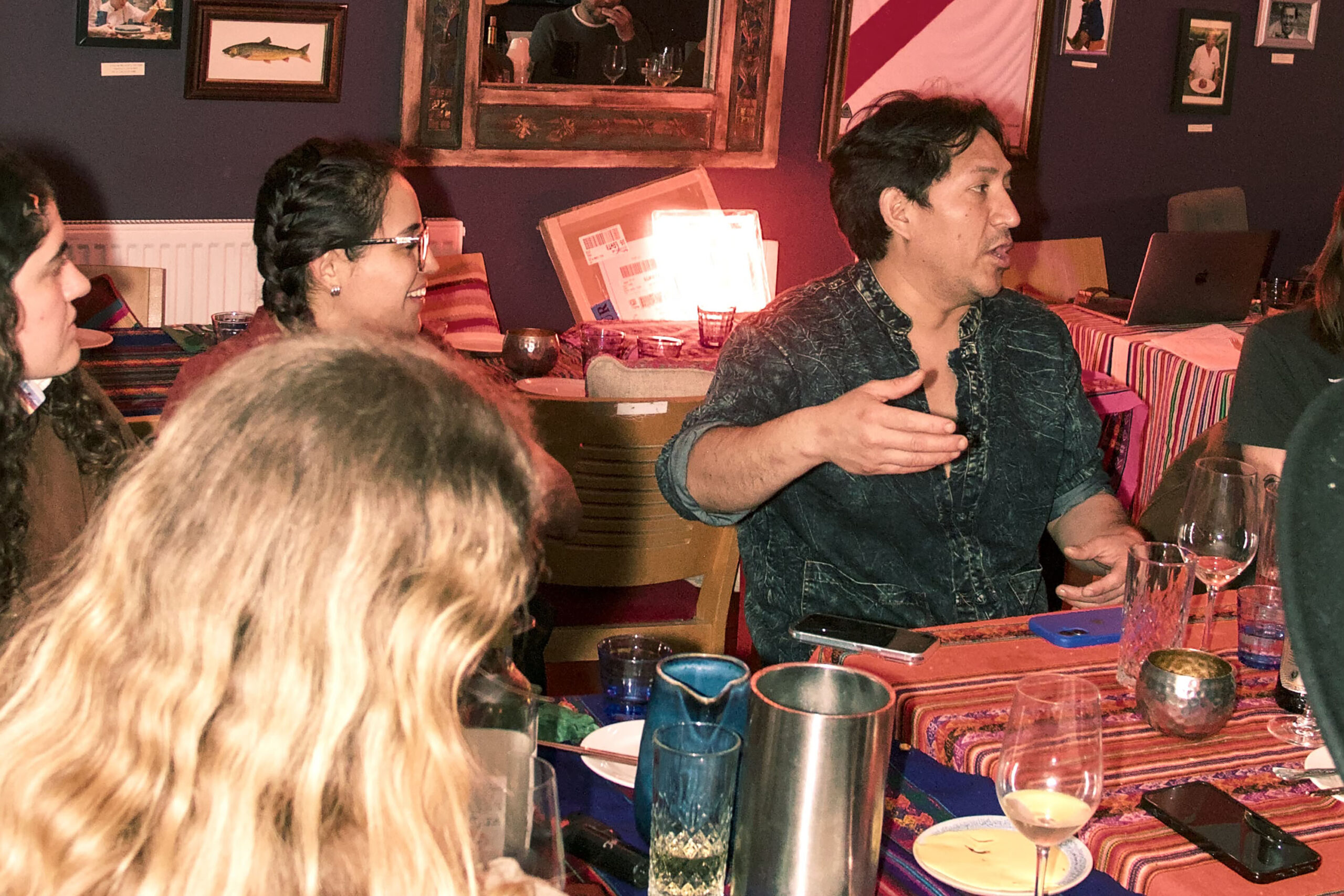
Nikkei is one of the most intriguing cuisines to land in Brighton: a century-old marriage of Japanese precision and Peruvian punch, born of migration and now finding a home on the seafront. At Lima Nikkei, head chef and co-founder Alejandro Cerna is building a kitchen around that dialogue, working with Sussex growers, seasonal produce and a menu that knows when to add and when to hold back. For operators watching a crowded market, it is a useful case study in genuine differentiation. We sat down with Alejandro to talk kitchen culture, sourcing, recruitment and what it takes to introduce an unfamiliar cuisine to a knowing city.
How would you describe Lima Nikkei and what makes it special?
Lima Nikkei is a celebration of the connection between Peru and Japan through food. Our aim is to create a dining experience where traditional techniques, bold flavours and cultural stories come together on every plate. What makes Lima Nikkei special is the balance between respect for Japanese precision and the energy, colour and creativity of Peruvian cuisine. Every dish has a story behind it, and we want our guests to feel that connection when they dine with us.
Nikkei cuisine has such a rich history. How would you explain it to someone trying it for the first time?
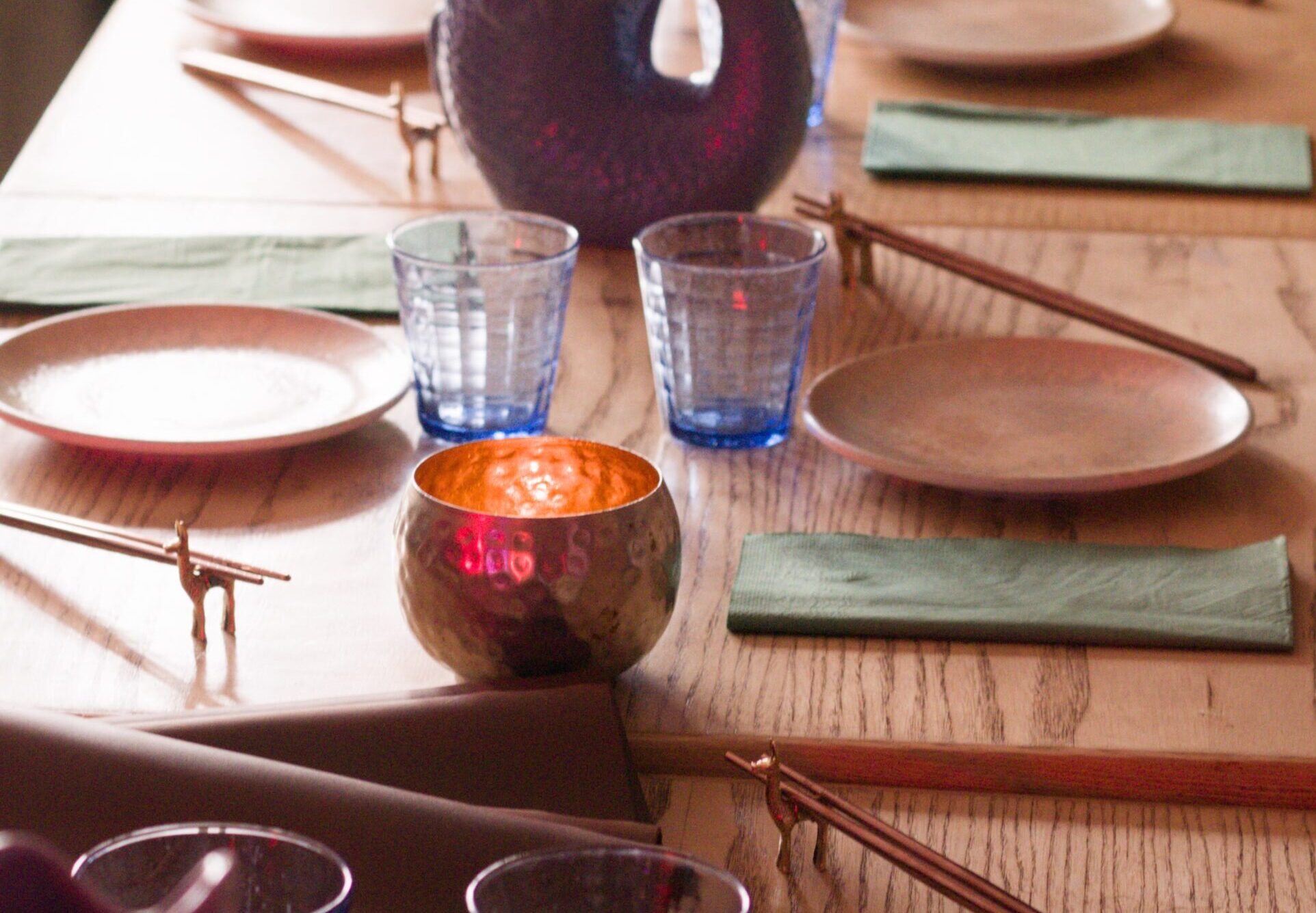
Nikkei cuisine was born from the meeting of Japanese and Peruvian cultures, particularly through the Japanese community in Peru. It combines Japanese techniques such as careful preparation, seasonality and attention to detail with Peruvian ingredients, spices and flavours.
For someone trying it for the first time, I would describe it as a cuisine that feels familiar but surprising — delicate in some moments, bold in others, and always full of character.
Tell us about your journey into cooking. Where did Alejandro Cerna learn his trade?
My journey into cooking has always been driven by curiosity, passion and a desire to understand different cultures through food.
I have learned through experience, working with different techniques, ingredients and chefs along the way. Cooking is a continuous learning process, and every kitchen I have worked in has taught me something valuable about discipline, creativity and the importance of respecting the ingredients.
What brought you and Carlos to Brighton, and why did this city feel like the right home for Lima Nikkei?
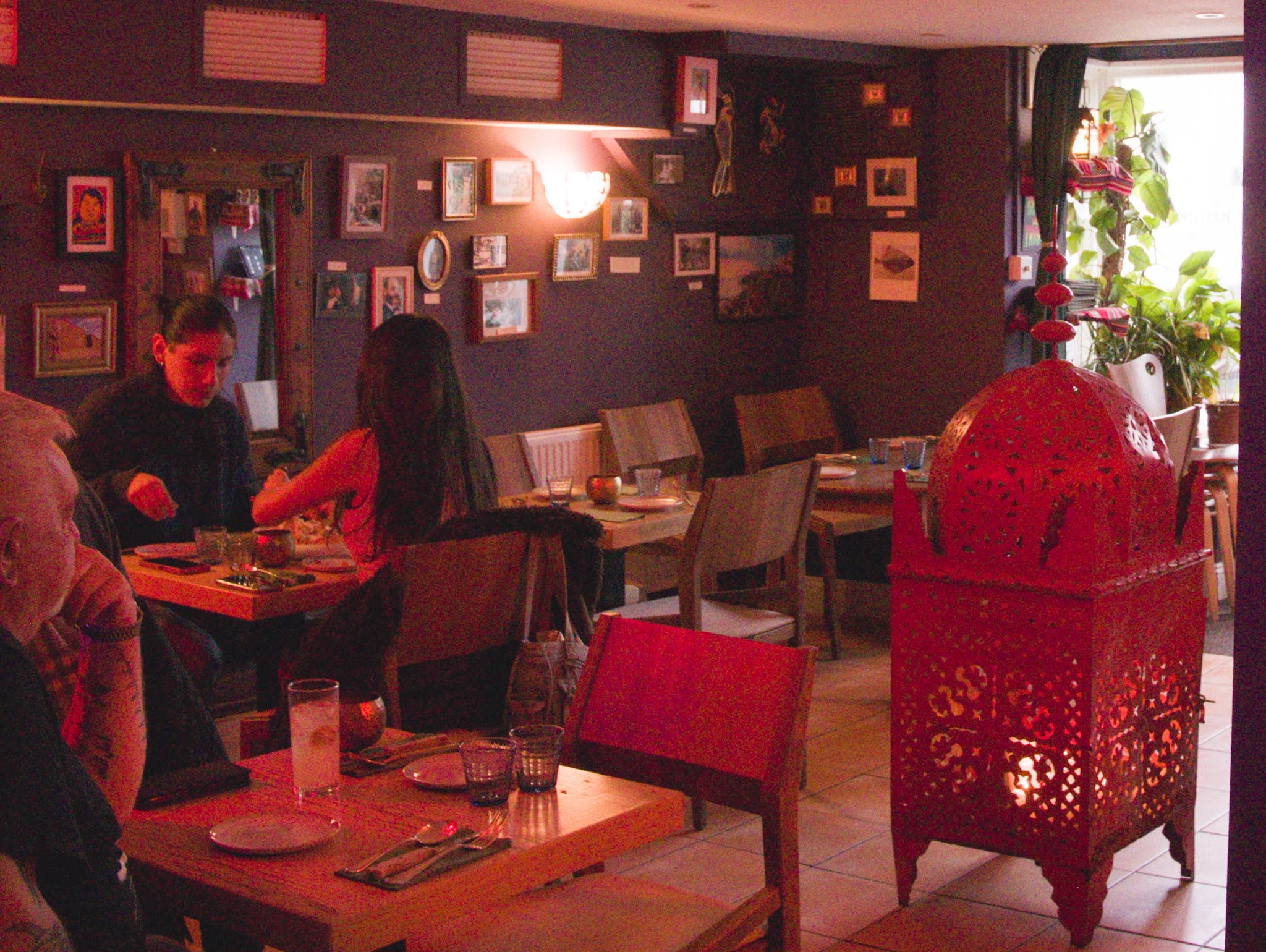
Brighton felt like the perfect place because it has a strong sense of community and a genuine appreciation for independent restaurants and new culinary experiences.
The city is open-minded, creative and connected to great local producers. We felt that Lima Nikkei could become part of Brighton’s food culture while bringing something unique to our restaurant on Brighton seafront.
Running a restaurant with a co-founder is a real partnership. How did you and Carlos meet, and how do you divide the work between you?
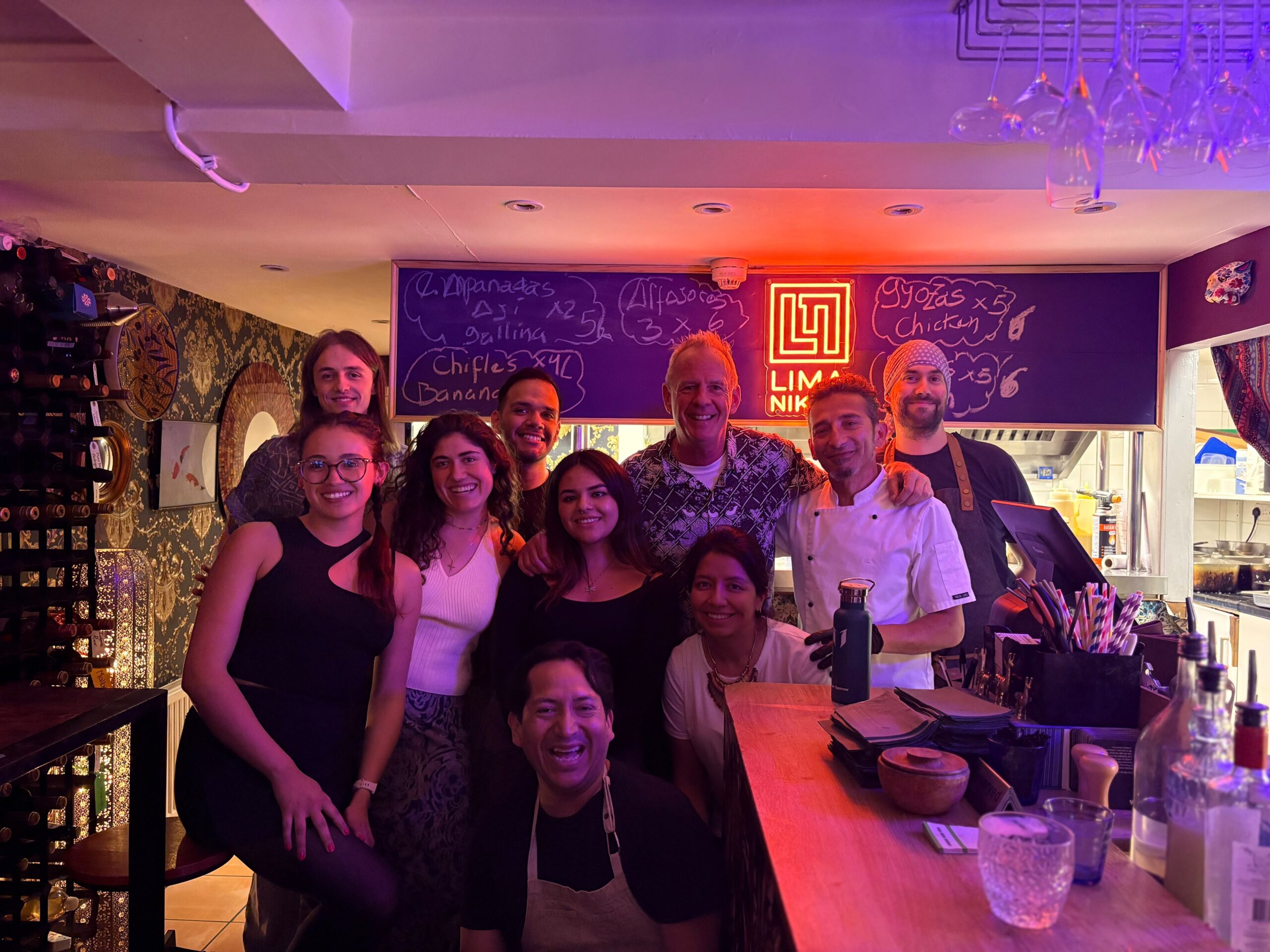
Carlos and I share the same passion for hospitality, quality and creating memorable experiences for guests. Building a restaurant together requires trust, communication and a shared vision. We each bring different strengths to the business, which allows us to support each other — from the creative side of the food and drinks to the daily operation and development of the restaurant.
Nikkei balances Japanese restraint with Peruvian boldness. How do you personally strike that balance in the kitchen?
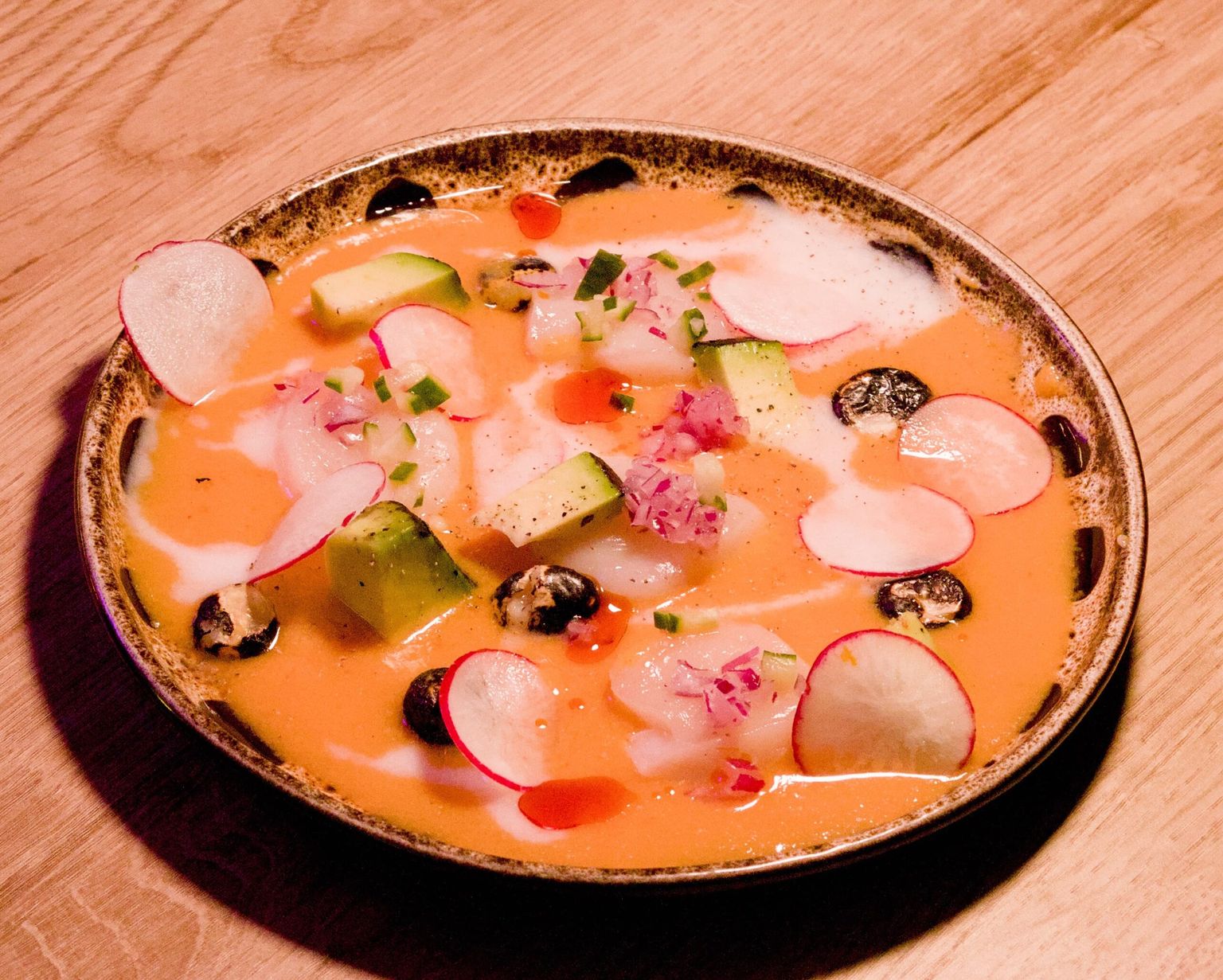
The key is understanding when to add and when to remove. Japanese cuisine teaches us about precision, simplicity and respecting the natural flavour of ingredients, while Peruvian cuisine brings vibrant flavours, acidity, spice and colour.
In the kitchen, we try to find harmony between those two worlds rather than letting one overpower the other.
If you had to choose one dish on the menu that best represents Lima Nikkei, what would it be?
I would choose a dish that represents the meeting point between Peru and Japan — something where technique, freshness and bold flavour come together. For me, the best representation of Lima Nikkei is a dish that surprises guests while still feeling balanced and elegant.
The Uy Mami cocktail, built around gin, shiitake and nori, sounds unlike anything else in Brighton. Where did that idea come from?
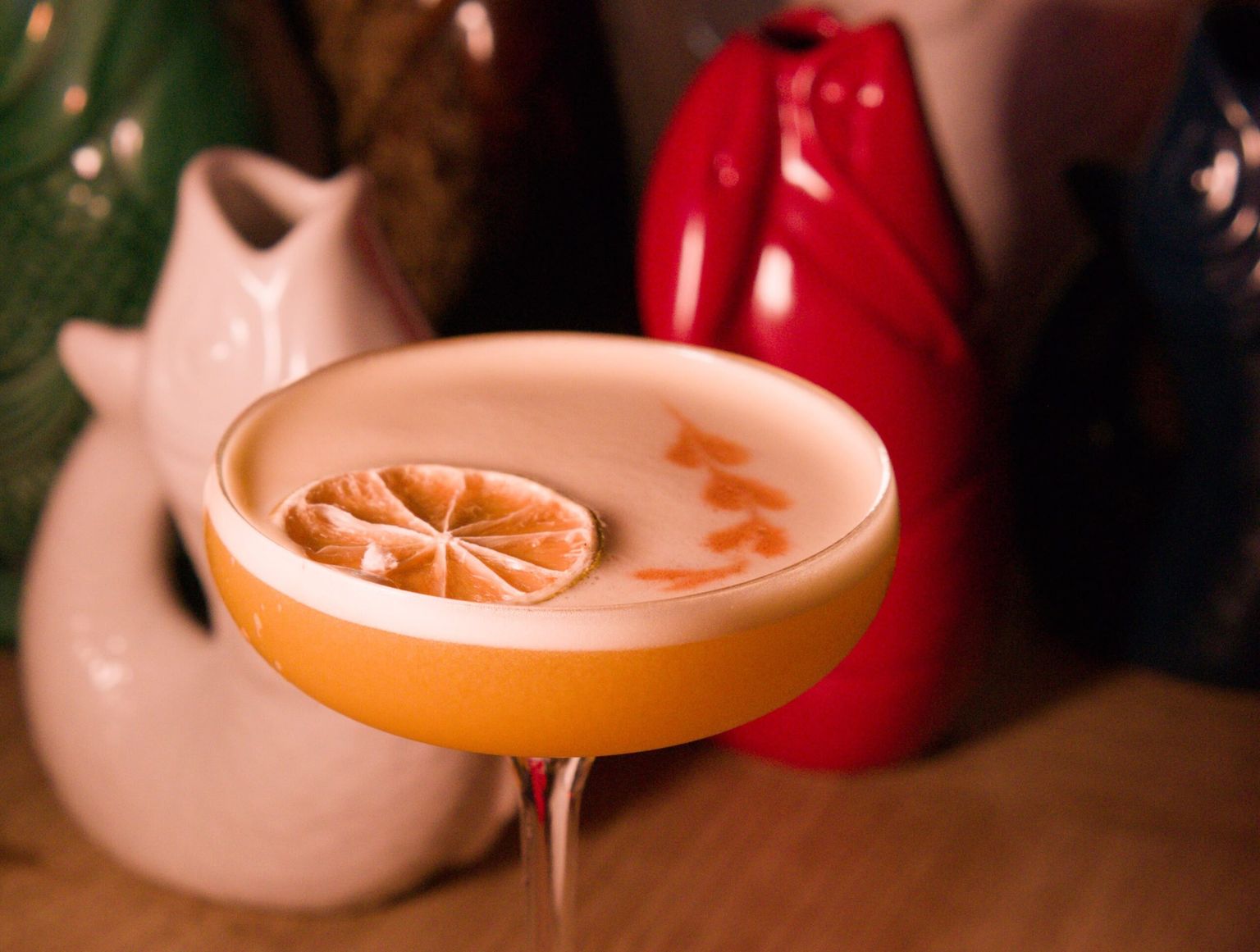
The idea came from wanting to create a cocktail that reflected our cuisine and our identity. We wanted to explore the umami flavours that are so important in Japanese cooking and combine them with a modern cocktail approach. Shiitake and nori bring depth and complexity, while the gin creates a clean base that allows those flavours to shine.
Sustainability is clearly important at Lima Nikkei. From working with suppliers along the Sussex coast to recycling your menus into new ones, can you tell us a little about the practices that matter most to you?
Sustainability is about making thoughtful decisions every day. We believe in working closely with local Sussex suppliers, respecting seasonal produce and reducing waste wherever possible. Small actions, such as finding creative ways to reuse materials and choosing responsible suppliers, are important because they reflect our values as a restaurant.
Which Sussex ingredient has surprised you most since working here, and how has it found its way onto the menu?
The quality and variety of Sussex produce has been a wonderful surprise. The local seafood, vegetables and seasonal ingredients offer incredible opportunities to create dishes that reflect both our Nikkei identity and the character of the region.
Away from Lima Nikkei, do you have a favourite Peruvian restaurant, whether in Brighton, London or further afield?
I always enjoy discovering restaurants that respect their ingredients and tell a story through their food. There are many talented chefs bringing Peruvian cuisine to different parts of the world, and I appreciate any place that celebrates the culture and traditions behind the cuisine.
Pisco is central to your drinks list. What is your own favourite pisco cocktail, and why?
The Pisco Sour is a classic for a reason. It represents Peru beautifully — it is fresh, balanced and combines simplicity with great technique. It is a cocktail that connects tradition with celebration.
What has surprised you most about Brighton’s food culture since opening on the seafront?
What has impressed me most is how curious and supportive Brighton’s diners are. People here appreciate creativity and quality, and they are willing to explore different cuisines and experiences. That makes it an exciting city to be part of.
When you get a rare evening off, where do you head in Brighton and Hove?
I enjoy discovering different places around Brighton and Hove, whether it is a great restaurant, a relaxed café or somewhere by the sea. I think spending time experiencing other people’s hospitality is also a way of continuing to learn.

Finally, what is next for Lima Nikkei?
We are always looking for ways to evolve while staying true to our identity.
We will continue developing new seasonal dishes, exploring local ingredients and creating experiences that bring our guests closer to the flavours and culture behind Nikkei cuisine.
The journey has only just begun, and we are excited about what comes next.