
Have Your Say on Local Food and Drink Supply in Sussex
Guest post from Jack O’Neill, Head of Operations at The Menu Partners
Restaurants Brighton has teamed up with The Menu Partners, champions of the future of food supply, to launch a county-wide survey asking chefs in Brighton, Hove and Sussex what they really want from their suppliers.
The aim is to uncover which local products kitchens are crying out for, which Sussex producers are hard to reach and where the gaps lie. From there, The Menu Partners hope to build a sustainable local supply chain, delivered on one consolidated vehicle, saving money, cutting food miles and keeping spend in Sussex. We sat down with Jack from their Brighton team to find out more.
You can complete the survey just here.
Why are you running this survey?
The idea really grew out of a conversation at Restaurants Brighton’s sustainability event. Diane from Red Roaster spoke about wanting to buy more locally and said she felt there was a real appetite within hospitality for better access to local products.
That stayed with me because it reflects something I care about personally as well as something we want to support as a business.
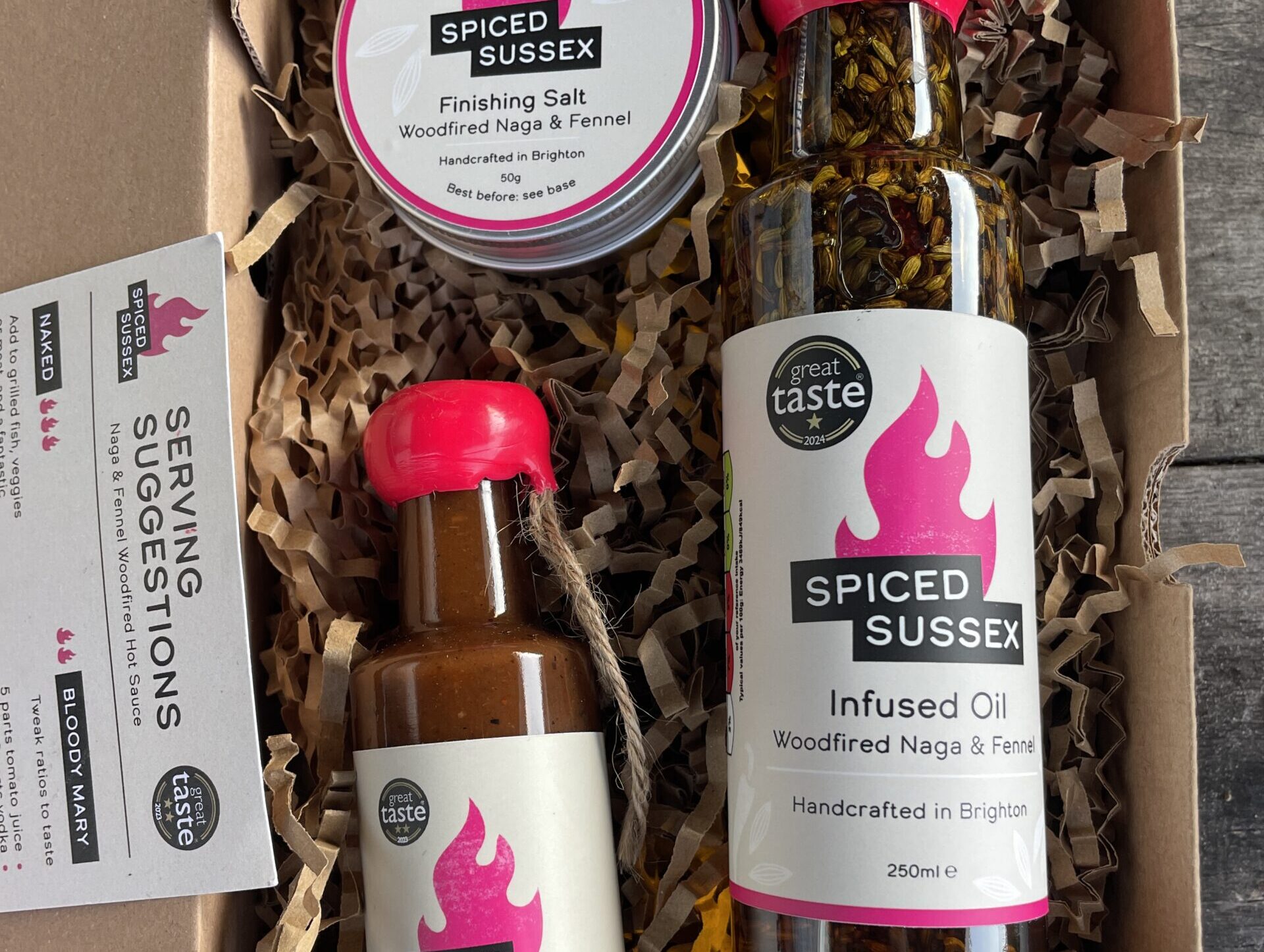
Sussex has an incredible food and drink scene, with brilliant producers working right on our doorstep, and I think there is a real opportunity for hospitality businesses to support that more.
Buying locally can reduce unnecessary food miles, strengthen the local economy and help keep more money within Sussex. But for that to happen, local products need to be easy for chefs and operators to actually access.
That is why we are running the survey. Rather than assuming what hospitality businesses want, we want to listen to chefs, restaurants, pubs, hotels and cafés across Sussex and understand which local products they would genuinely like to use more of.
What do you hope to do with the results?
The first thing we want to do is listen.
We want to understand which local products hospitality businesses are most interested in, which Sussex producers people already love and where there are gaps in what is currently easy to source.
The hope is that the survey helps connect those two sides of the industry more effectively.
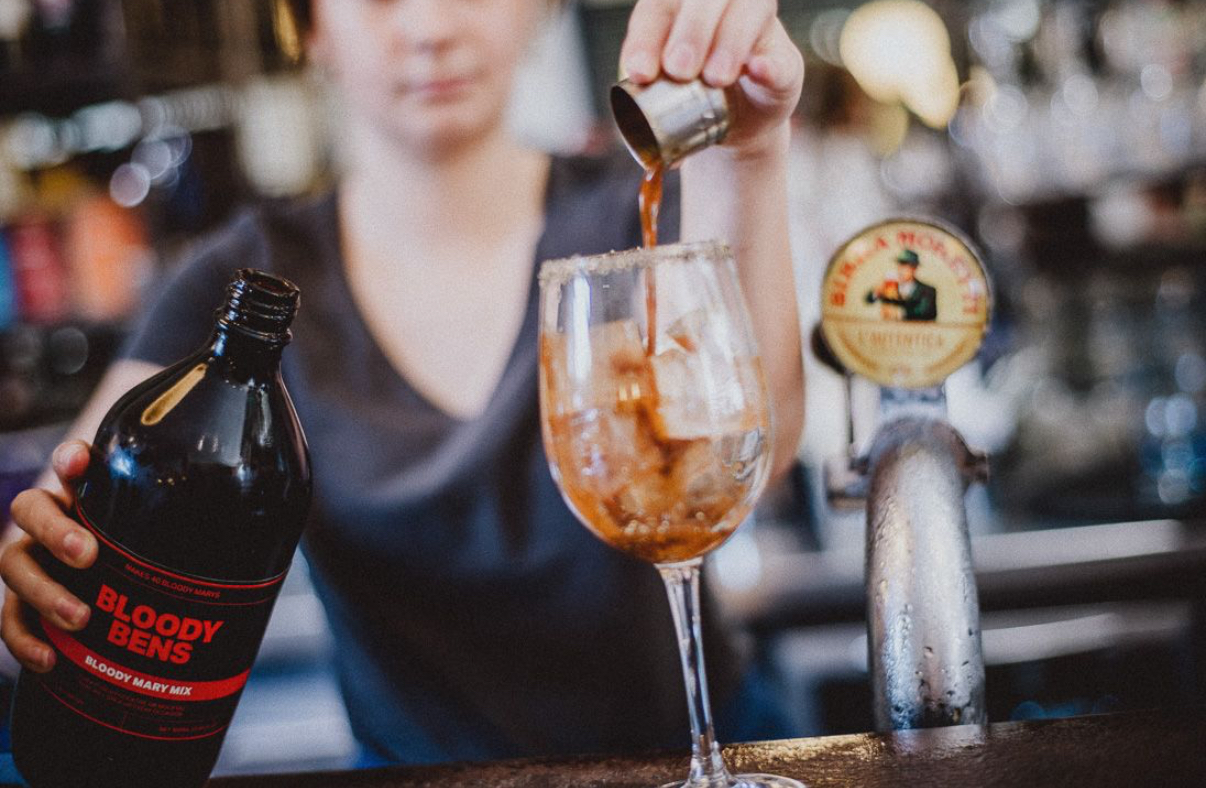
There are fantastic independent producers across Sussex, but it is not always straightforward for them to reach a large number of hospitality businesses. Equally, chefs may want to support more local suppliers but managing lots of separate deliveries, minimum orders and relationships can make that difficult.
If we can use the results to make great Sussex products more accessible, while helping local producers reach more kitchens, that feels like a really positive outcome.
For me, the important thing is that the range grows from what the local hospitality community actually wants rather than us simply deciding what should be included.
What would the best possible end product look like for chefs and hospitality businesses?
I would love to see a range where chefs can genuinely increase the amount they buy from Sussex without making their working day more complicated.
That means having access to a good selection of local producers and products that still meet the standards a busy hospitality business needs around quality, consistency, availability and value.
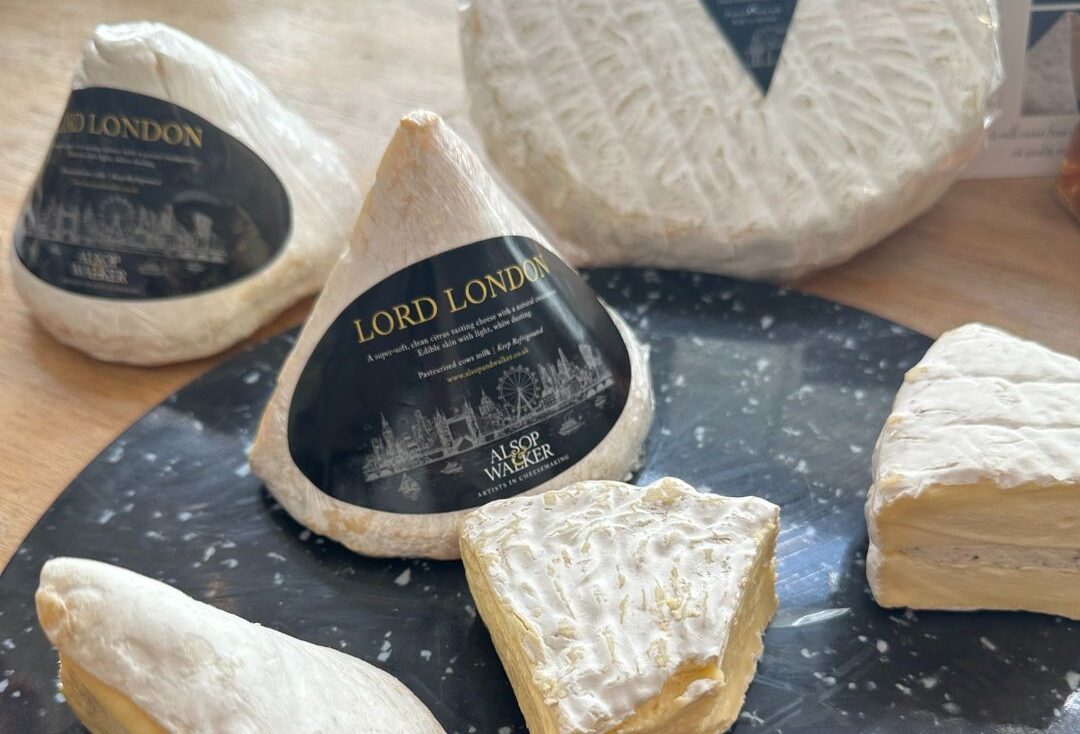
But I think it should also be about connection. I want chefs to know the story behind the products they are buying, who produced them, where they came from and why buying them locally matters.
The best outcome would be for supporting local producers to become an easy, everyday choice rather than something that requires extra effort.
If we can help a restaurant put more Sussex produce on its menu, help a local producer reach more customers and reduce the need for multiple separate deliveries at the same time, then that feels like the right model.
Why are food miles so important to you and The Menu Partners?
Sustainability is becoming increasingly important across hospitality, and food miles are one part of that bigger picture.
We are lucky in Sussex to have so much fantastic produce and so many talented producers around us.
It does not always make sense for products to travel hundreds of miles when there may be a great alternative being produced much closer to home.
There is also more to sustainability than simply the distance between producer and restaurant. If five local suppliers are all making separate deliveries into the same area, there is still an environmental impact.
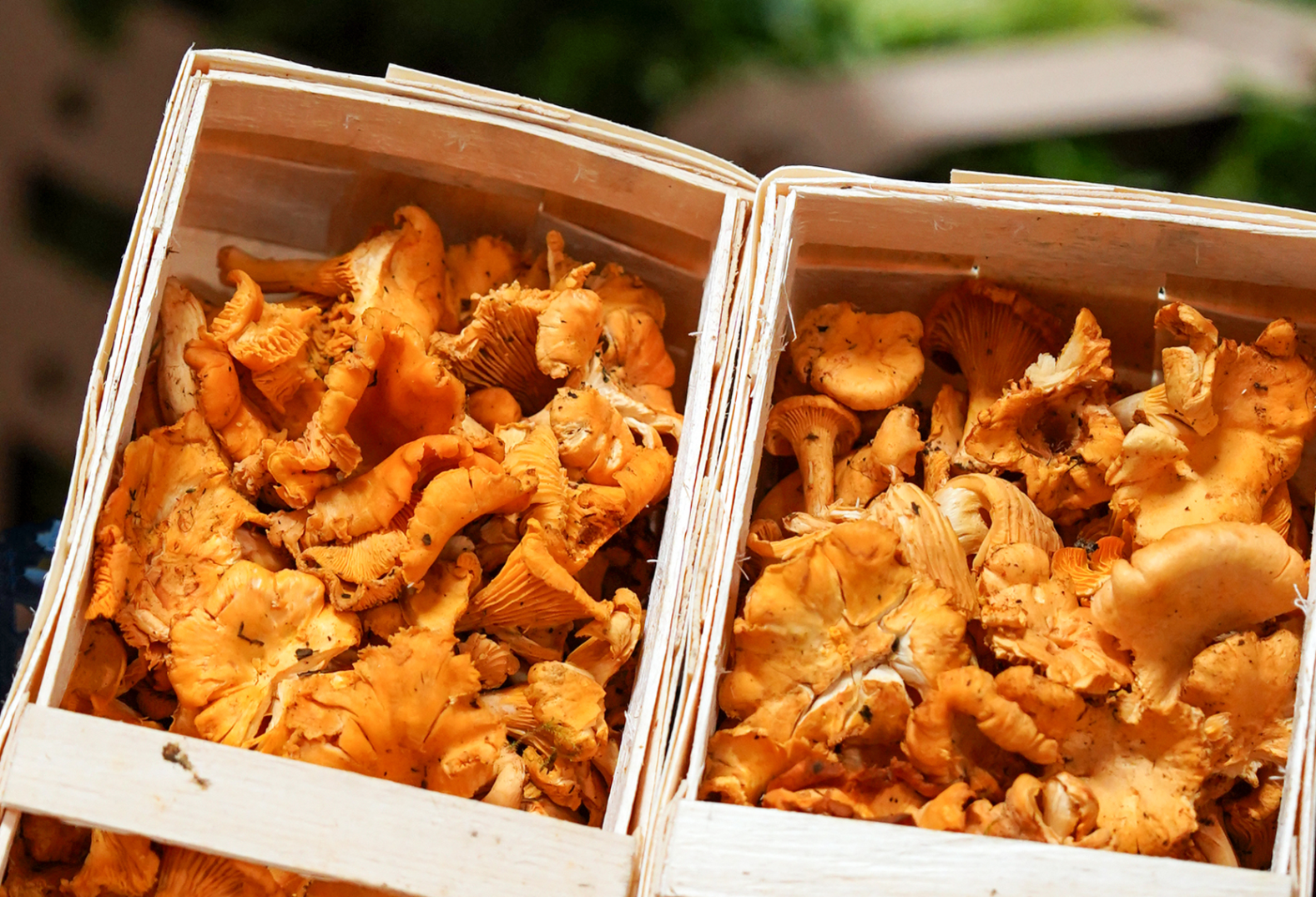
One of the things we can help with is consolidation. By bringing local products together and delivering them alongside the products hospitality businesses are already receiving, there is an opportunity to support more local producers without creating more vehicles and more deliveries into kitchens.
For me, though, sustainability and supporting local go hand in hand. Buying locally supports jobs, independent businesses and producers in our own communities. It keeps more money circulating within Sussex and helps protect the food culture that makes this part of the country such a strong place for hospitality.
I would like this project to help make buying local easier, more practical and something that more businesses feel able to do regularly.