
By Praise Zaloumis, The Menu Partners
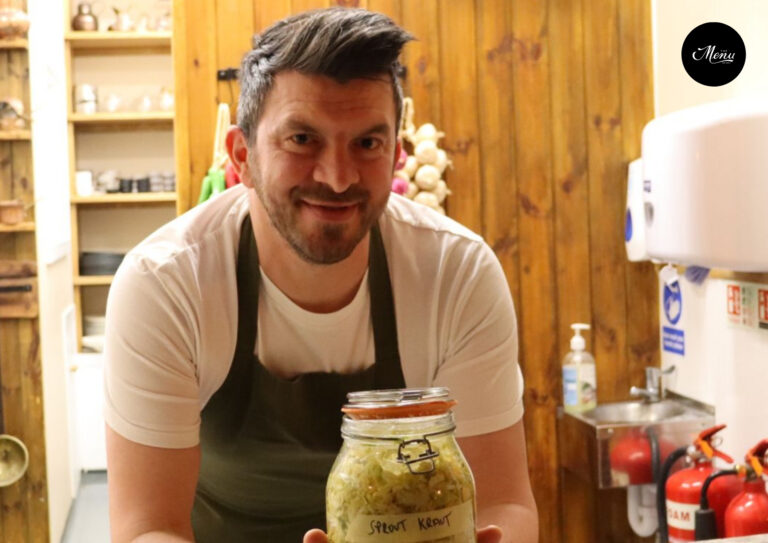
Like many kitchens across Sussex, sustainability has become a focus across The Menu Partners, shaping how we source, supply and think about food. At the centre of this progression is our Head NPD Chef, Gavin Sinden – a chef who approaches ingredients with curiosity, respect and a determination to reduce waste wherever possible.
His approach reinforces Restaurant Brighton’s sustainability motto: “better not perfect” by finding creative ways to give overlooked ingredients a second or third life.
Gavin shared his insights about how kitchens are being shaped by sustainability, “I think chefs are aware of the issues we face day to day; it’s more about educating ourselves and our colleagues on what this means to us and how we can implement changes in our kitchen life. How we approach certain vegetables, suppliers or challenges.”
BACK TO BASICS
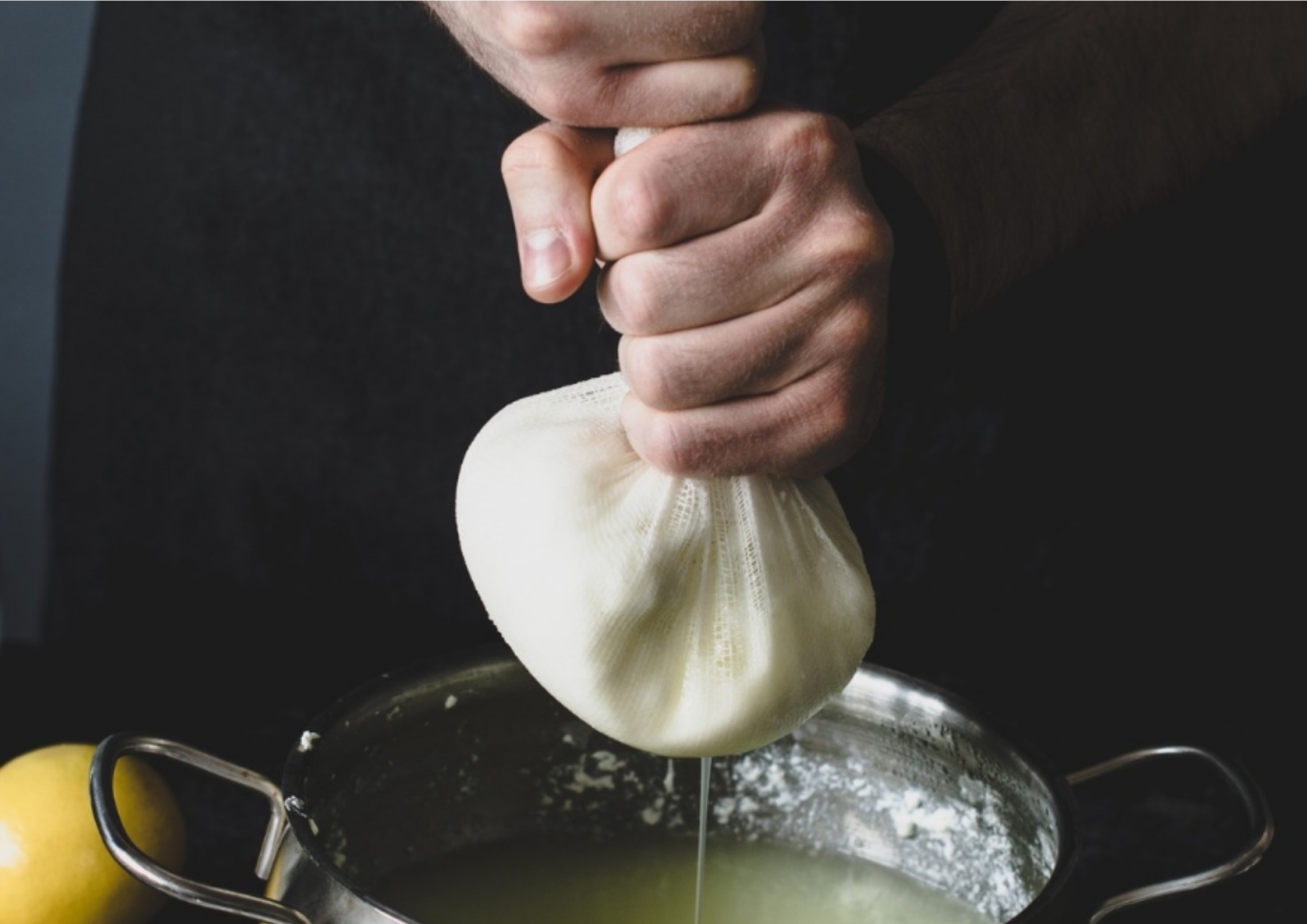
Gavin suggests small, clever swaps that make a big difference. One of his favourites is spent milk ricotta – a straightforward way to use the leftover milk. Instead of pouring it away, he stores the milk for up to two days, then heats it to 93 degrees with a squeeze of lemon. After 15–20 minutes, the curds separate, ready to be lifted into muslin. The result is a soft, delicate ricotta that’s perfect with roasted butternut squash or folded into a warm salad.
Gavin ferments potatoes to create crisp, salty and vinegary chips that are super addictive! He serves them with a blended piccalilli ketchup made from wonky veg and finishes with coriander cress.
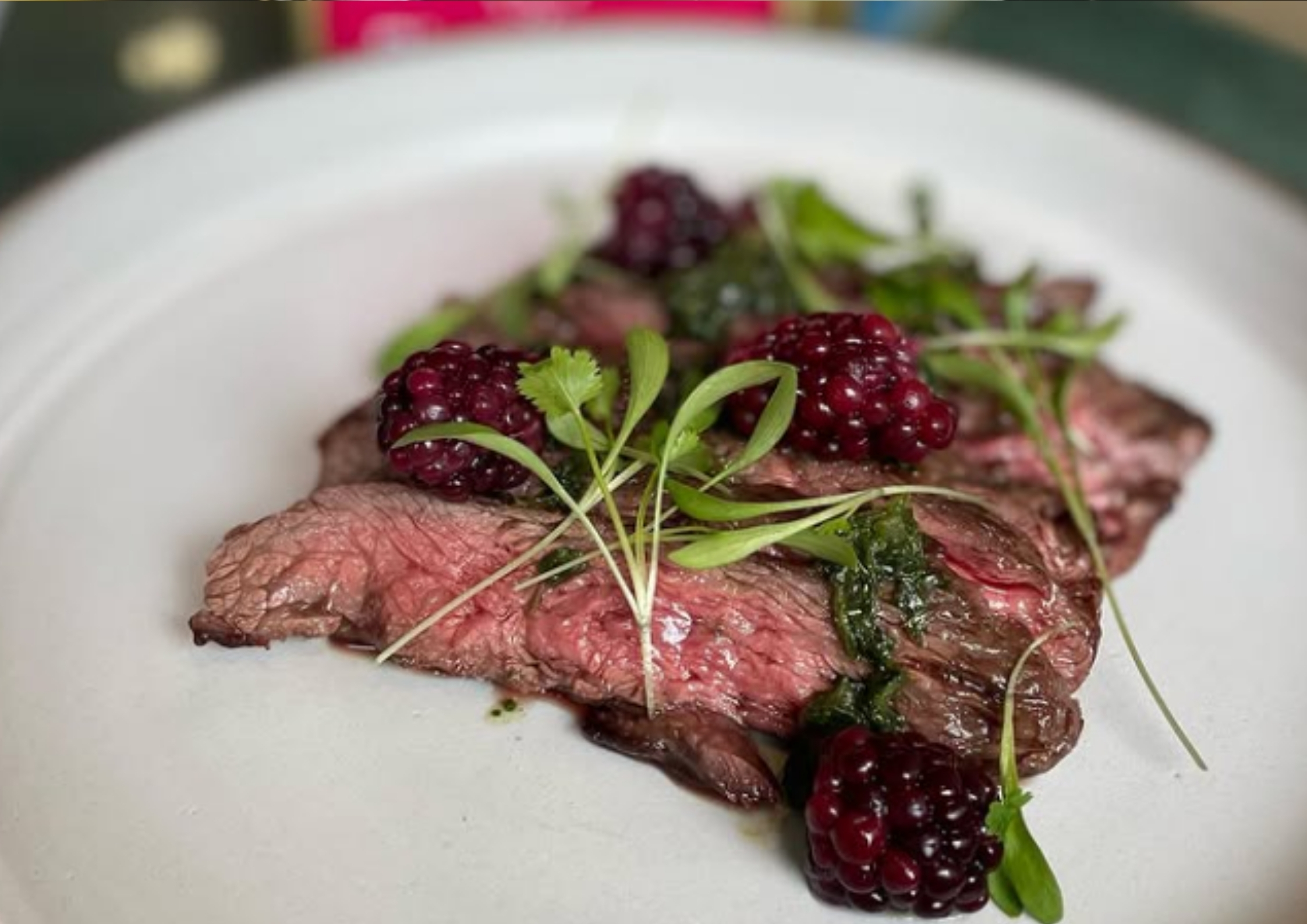
Blackberries on the turn? Pickle them. Their sharp-sweet acidity pairs beautifully with lamb, beef or even a leafy salad.
CARRY THE SEASON FORWARD
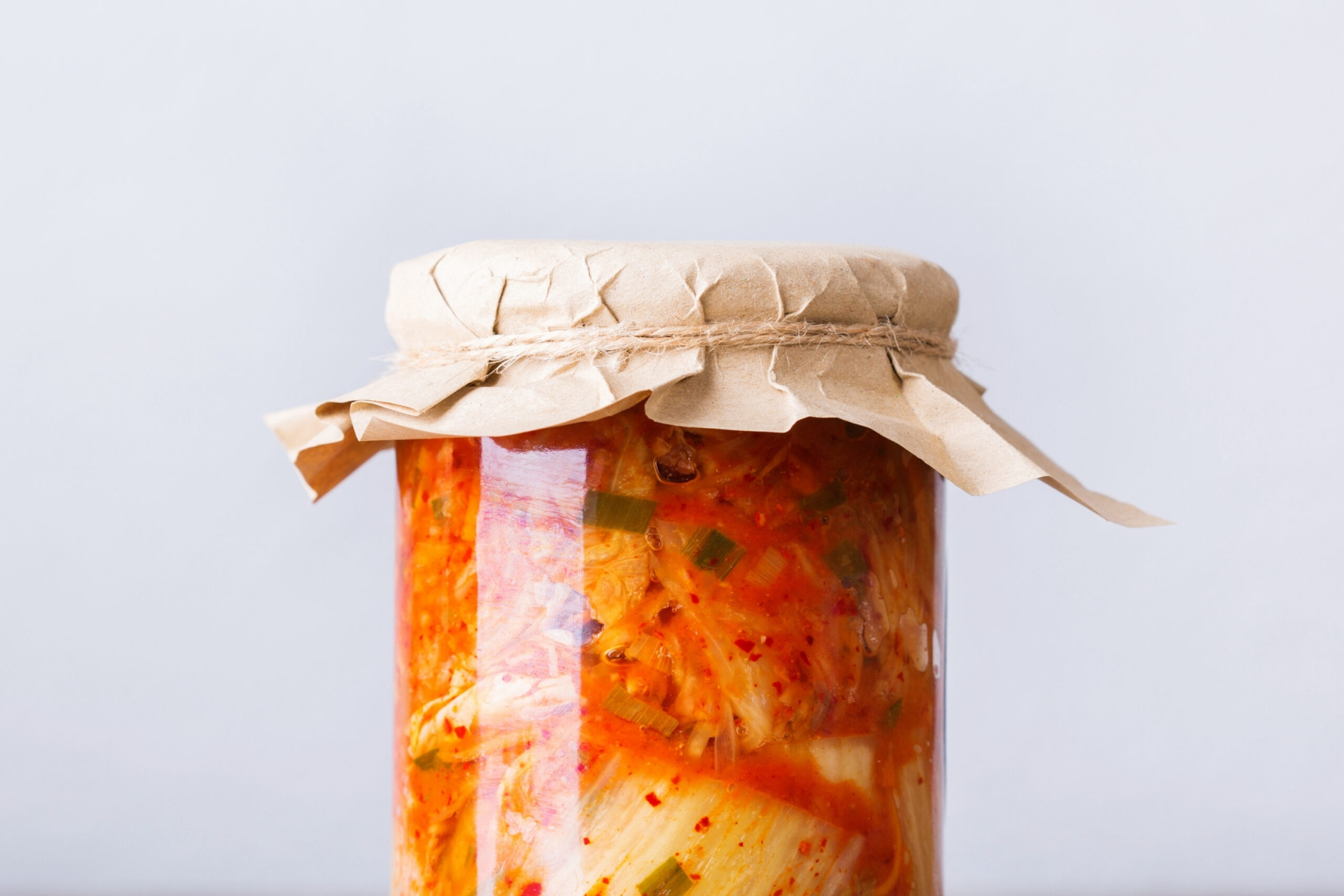
Gavin also talks about the “hunger gap” which is the quiet stretch from March to May when very little grows. Spring crops aren’t ready, and winter stores are running low. His solution is rooted in tradition: preserve autumn and winter vegetables so they can carry you through the gap. Ferments, pickles, cures and preserves become a bridge between seasons, ensuring nothing is wasted and flavour is always available.
RETHINKING KITCHEN HABITS
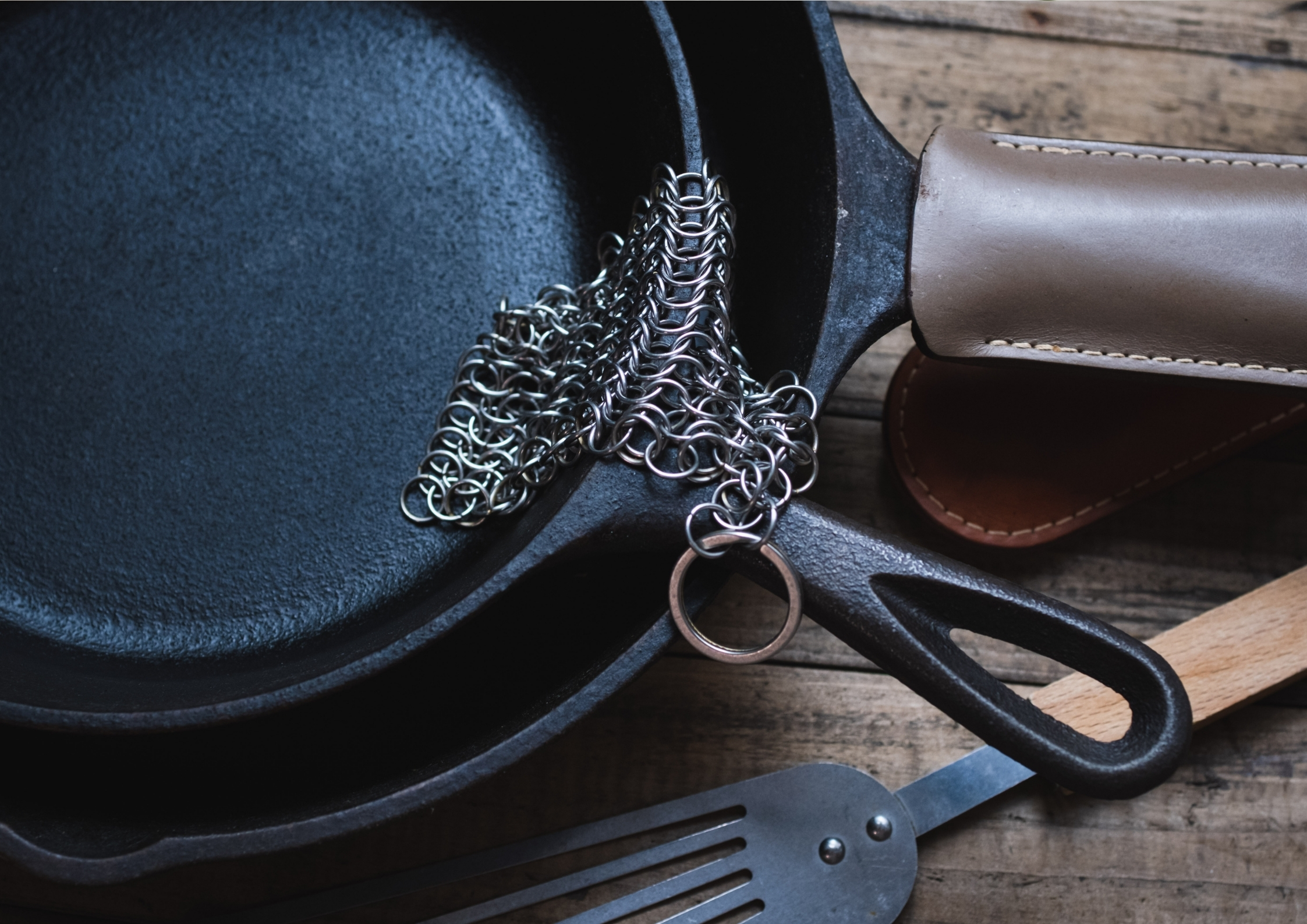
Not all waste is edible. Gavin suggests relying more on microfibre cloths instead of blue roll, chainmail instead of disposable sponges and reusable lids instead of cling film. “Even at home I use chainmail,” he says. “I’ve had mine for over two years. It lasts forever.” What starts at home, he explains, naturally filters into work life.”
FERMENTATION: TOP TIPS
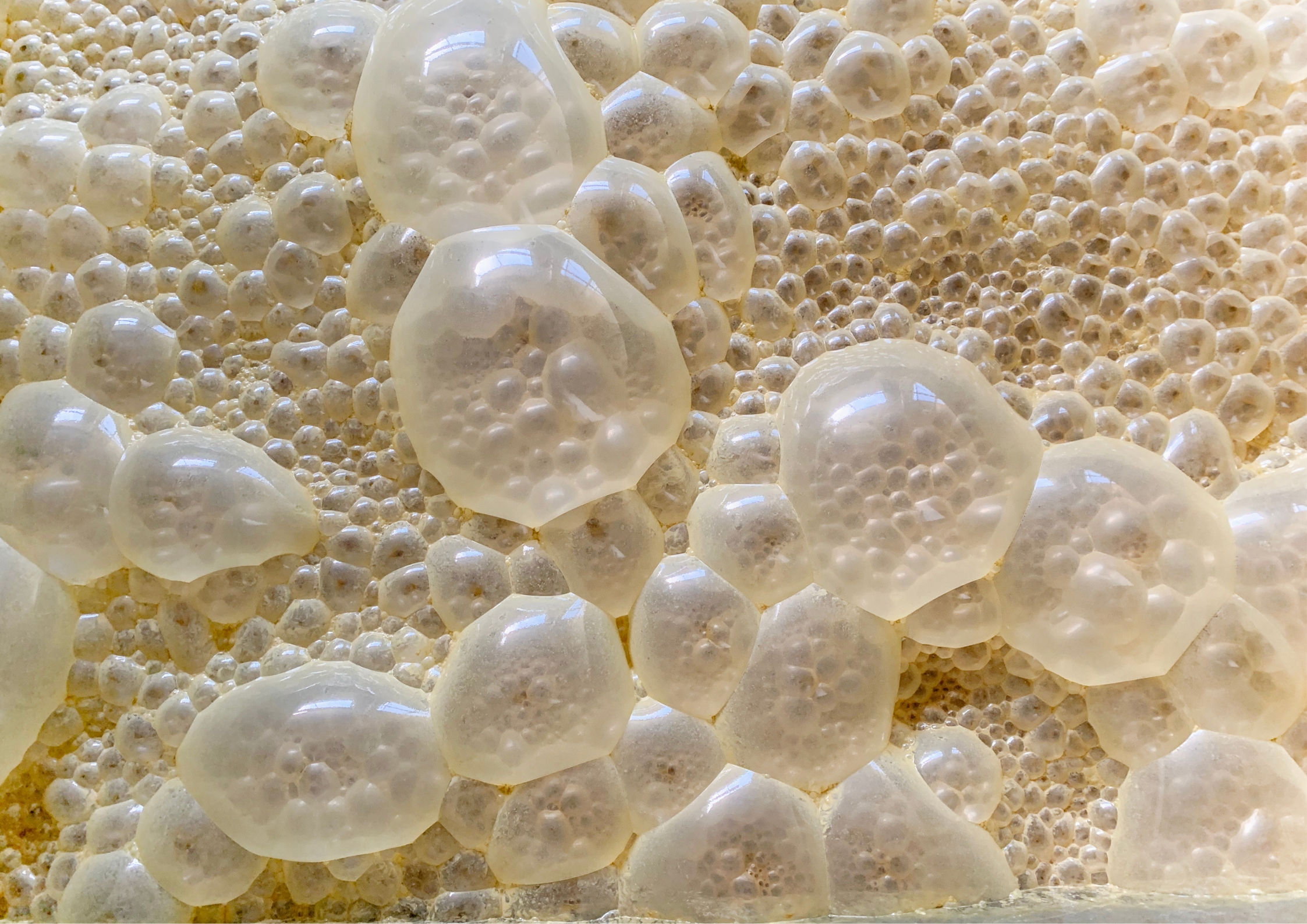
Fermentation is a process that involves the breakdown of a substance into a simpler substance by microorganisms, such as bacteria, yeasts, or mould. There are several health benefits associated with fermentation, such as:
- Improved digestion
- Immune support
- Reduced inflammation
- Mental wellbeing
- Heart health
When it comes to fermenting, Gavin’s advice is refreshingly straightforward:
“be brave, do your research, get the right equipment and plan. Fermentation, he says, isn’t about perfection – it’s about awareness.”
“Reducing food waste isn’t about being preachy, it’s just a natural progression to be more conscious.”
He finishes with a line that sums up his whole philosophy: “There’s a whole world out there. Challenge what’s around you.”
And we absolutely agree, challenges create space for creativity to grow.