
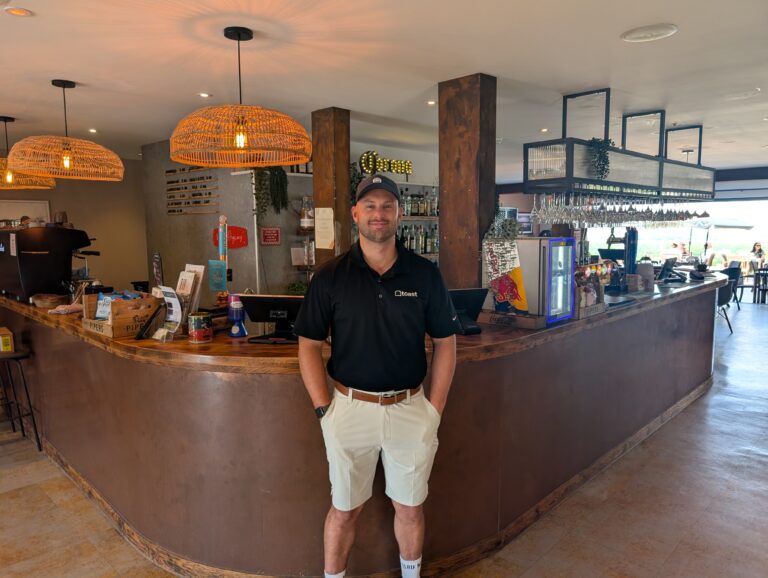
We sit down with Ashley Saunter from Toast to discuss his journey through the hospitality trenches and explore how Toast’s cloud-based platform is helping Brighton’s independent venues streamline their operations.
Ashley, you’re well-known across the Sussex hospitality scene, but for those who don’t know you, could you share a bit about your background and how your journey brought you to Toast?
Sure, I’m originally from Cornwall and spent the first 18 years of my life there. I worked in a kitchen from the age of 14, pot washing and prepping food for the chef in a small busy cafe, before moving to Southampton for university. While studying, I started working in bars, nightclubs and festivals which gave me my first real exposure to hospitality and fast-paced customer environments.
From there, I was offered a role with Red Bull as a regional representative covering Southampton through to Bournemouth. I spent several years building strong relationships across the hospitality sector, developing my network and learning how to work closely with venue operators.
After that, I moved to London for five years where I worked for the emerging Au Vodka, and later for a competitor of Toast within the hospitality tech space. That combination of hospitality and technology experience naturally led me towards Toast.
Around a year ago, I moved down to Sussex after meeting my now fiancée, who’s from the area, and joined Toast covering Brighton and the wider Sussex region. It’s been a great fit because it combines my hospitality background, relationship-building experience and passion for helping operators improve their businesses.
Having spent some time working directly in the trenches of restaurants, nightclubs, and pubs, how does that firsthand hospitality experience shape the way you help businesses today?
Having worked directly in bars, pubs and nightclubs, I understand how demanding hospitality really is, especially during peak service when small inefficiencies become big problems very quickly.
I think that firsthand experience helps me have much more genuine conversations with operators because I’m not just selling software, I understand the day-to-day pressures they face around staffing, speed of service, communication between FOH and BOH, and managing costs while still delivering a great guest experience.
For example, when I talk about handheld ordering reducing unnecessary steps for staff or kitchen display screen improving communication, I can picture exactly where those pain points happen because I’ve worked in those environments myself and solved these issues.
It also helps build trust. Hospitality owners can usually tell very quickly whether someone understands their world or is just giving them a generic sales monologue. I think my background allows me to be in their shoes and speak their language, to position solutions in a way that is practical and operational, rather than overly technical. Let’s not forget a lot of owners are technophobes, so I do need to be solution lead over tech lead.
You’ve successfully bridged the gap between hospitality and technology. What was the catalyst that made you realise tech was the next frontier for improving the industry?
Working in hospitality gave me a real appreciation for how hard operators and staff work just to keep everything moving. What stood out to me over the years was that many of the biggest frustrations weren’t actually people problems, they were process and technology problems.
I saw teams relying on outdated systems, double entering information, struggling with disconnected platforms, and spending hours on admin that took them away from customers and running the business.
When I moved into hospitality tech, it clicked quite quickly that the right technology can have a huge operational impact. It’s not just about replacing a till, it’s about improving comms between teams, giving operators better visibility over their business in real time, reducing labour pressure (huge at the moment!) and creating a better guest experience.
I think the real catalyst for me was seeing venues go from constantly firefighting operational issues to running much smoother simply because they had the right systems in place, when that happens it makes all the stress of the job worth it.
For independent operators who might be unfamiliar, what exactly is Toast, and what makes it distinct from traditional point-of-sale systems?
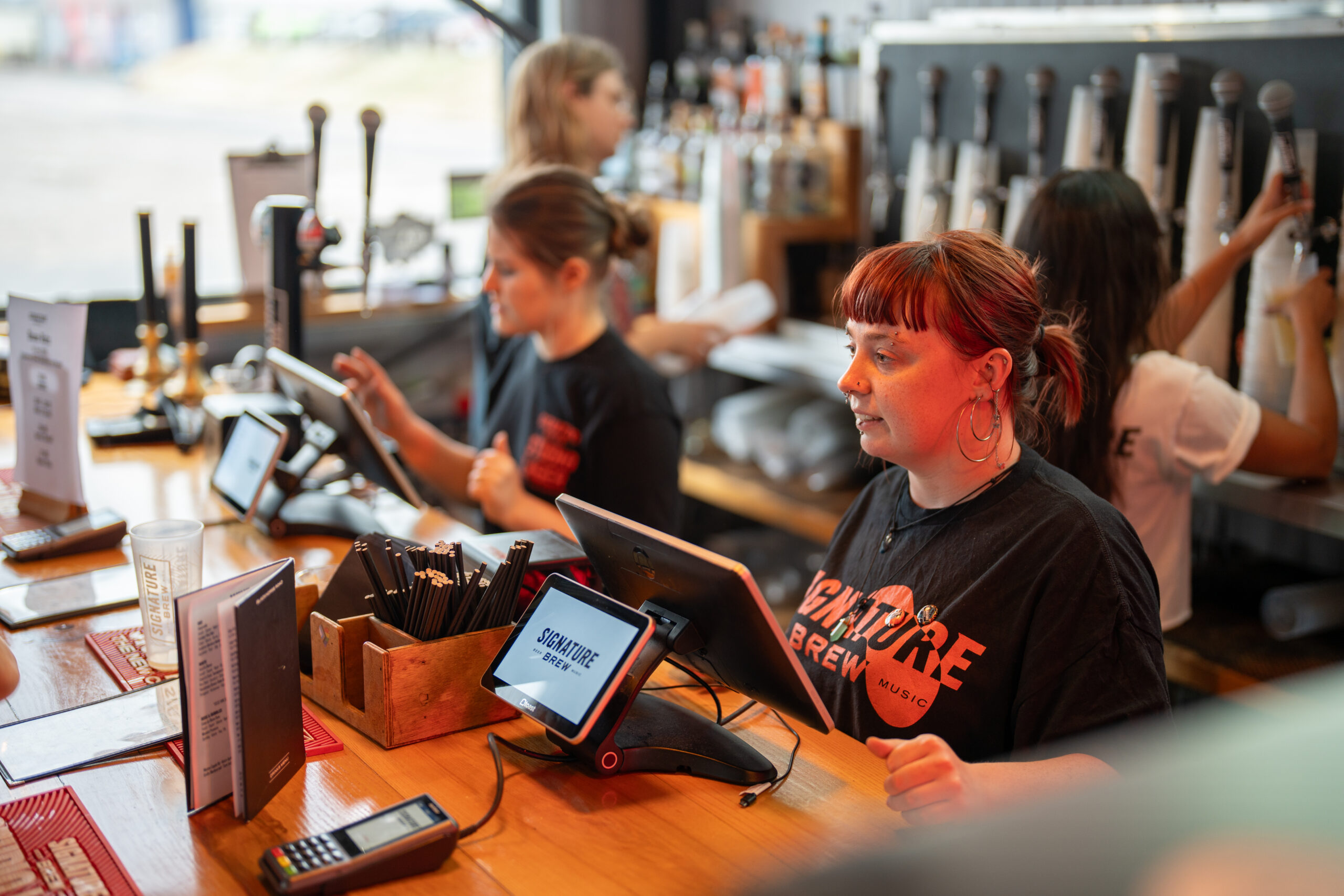
Toast is an all-in-one restaurant technology platform designed specifically for hospitality businesses. A lot of our competitors are more retail-led, whereas Toast is designed for and focuses only on restaurants/pubs.
What makes Toast different from more traditional POS systems is that it connects almost every part of a restaurant’s operations into one ecosystem.
That includes handheld ordering and payments, kitchen display screens, reservations, loyalty, online ordering, gift cards, reporting, labour tools and integrations with things like inventory management.
Traditionally, a lot of operators have had to stitch together multiple systems from different providers, which can create extra admin, communication issues and disconnected data. Toast is designed to bring all of that under one roof so operators have a much clearer, real-time view of their business.
We often hear about modern EPOS systems saving time, but mechanically speaking, how does Toast actually help a busy restaurant run a smoother shift?
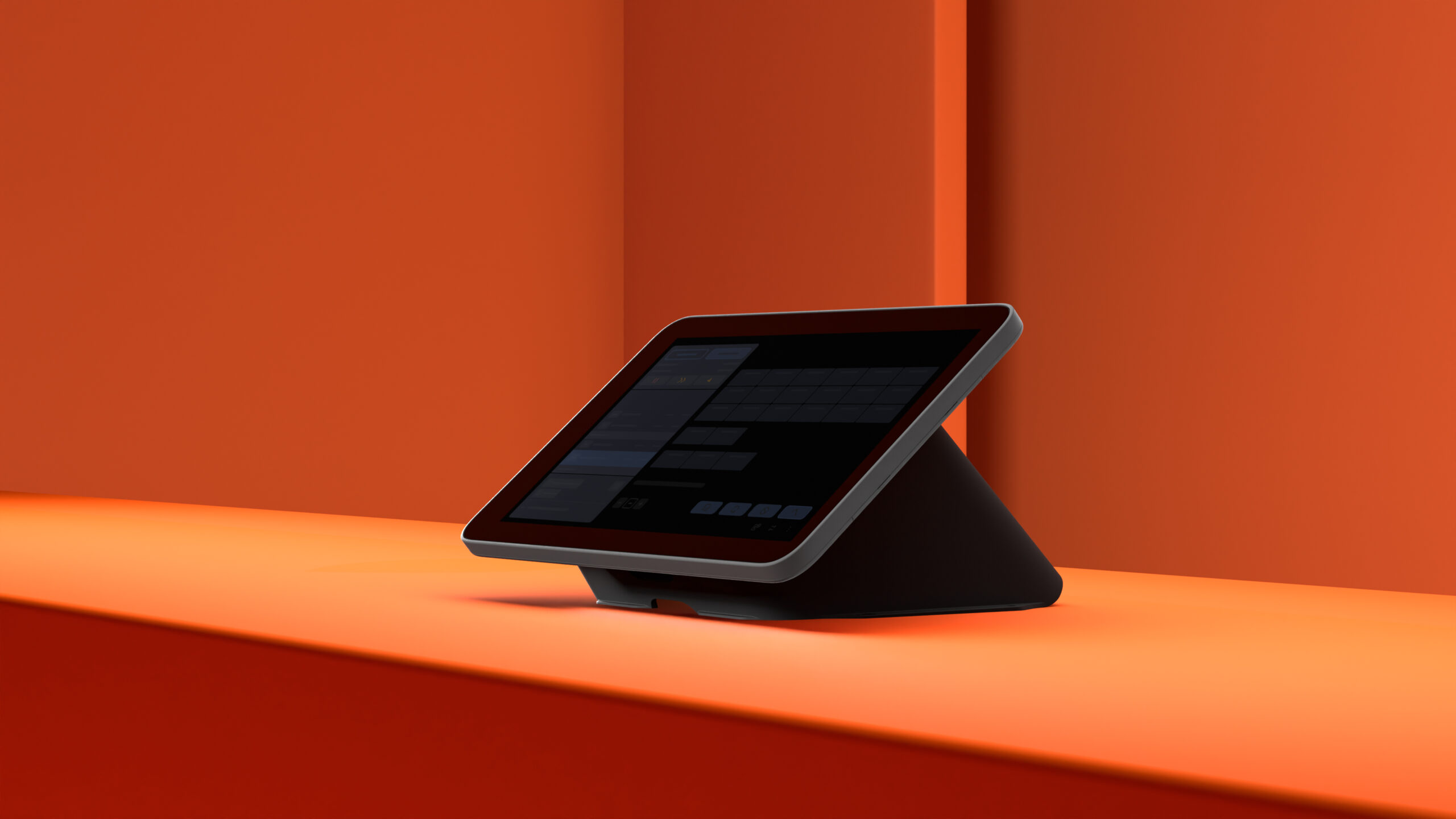
Toast helps restaurants run more smoothly by removing friction during service. With handheld ordering devices, staff can take orders and payments directly at the table instead of constantly walking back and forth to a fixed till, which speeds up service and improves the guest experience.
Orders are sent instantly to kitchen display screens or printers, improving communication between front and back of house and reducing mistakes during busy periods.
Managers also get real-time visibility of sales and labour, allowing them to make quicker operational decisions during service rather than reacting afterwards.
Ultimately, Toast helps restaurants operate more efficiently, reduce pressure on staff and deliver faster, smoother service.
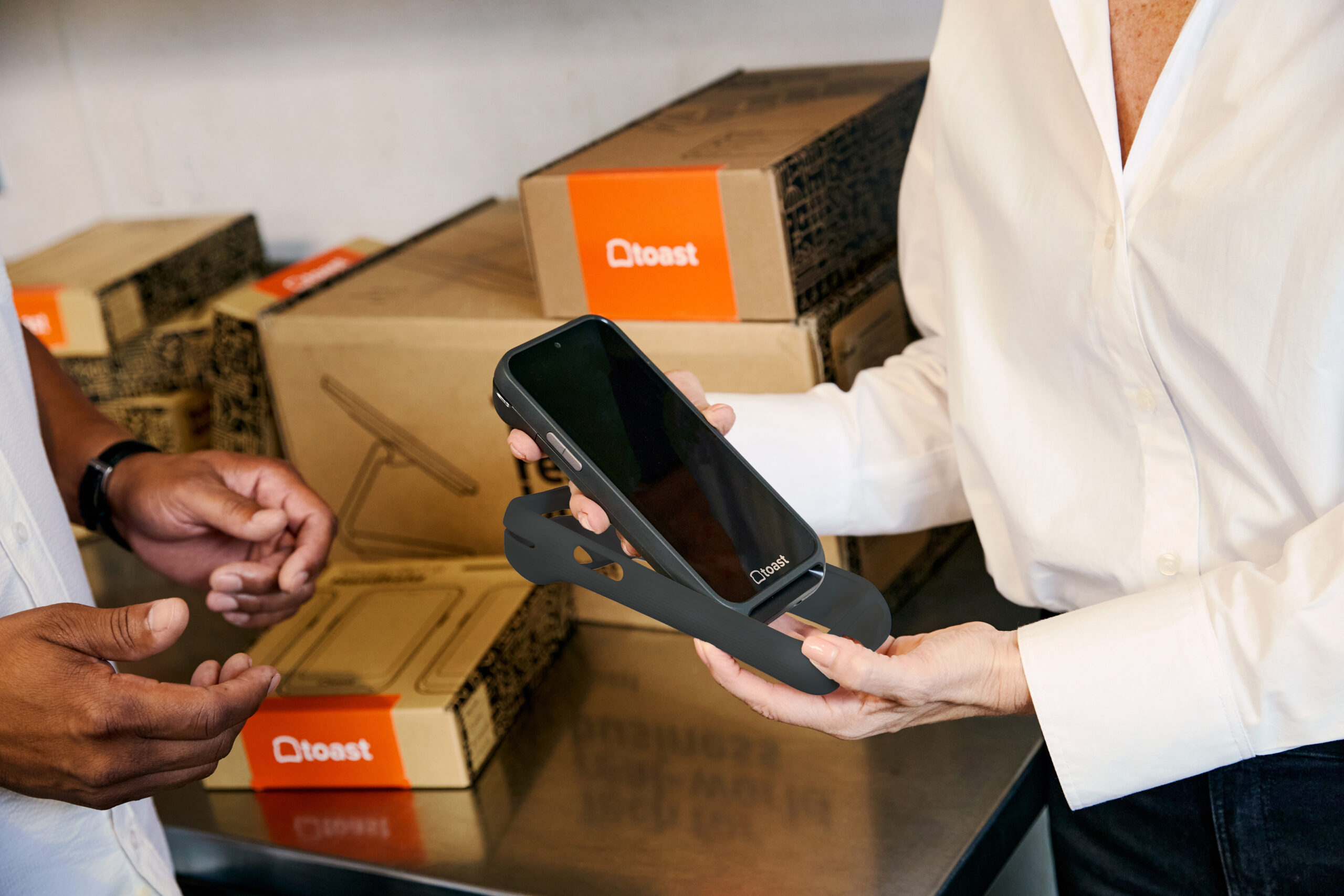
From an operational standpoint, what are the primary benefits that a business sees once they migrate over to the Toast platform?
– Toast is an all-in-one hospitality suite so the components of the package you choose communicate with each other effectively, whether you want a more simple POS set-up or our all encompassing service with features like marketing, multi-site management, catering and reservations. You save time, money and can scale your business with an integrated support system.
– Faster turn time, predominantly from our handheld ordering and payments at the table
– Improve communication between front of house and kitchen staff. Chefs can out of stock items from the kitchen without going to the FOH.
– Reduced labour pressure as staff spend less time walking between tables, bar & POS
– Simplified menu management and updates across all devices instantly
– Stronger upselling opportunities through built-in prompts, meaning if you have new staff they will be reminded to ask the right questions, ensuring ticket size is increased.
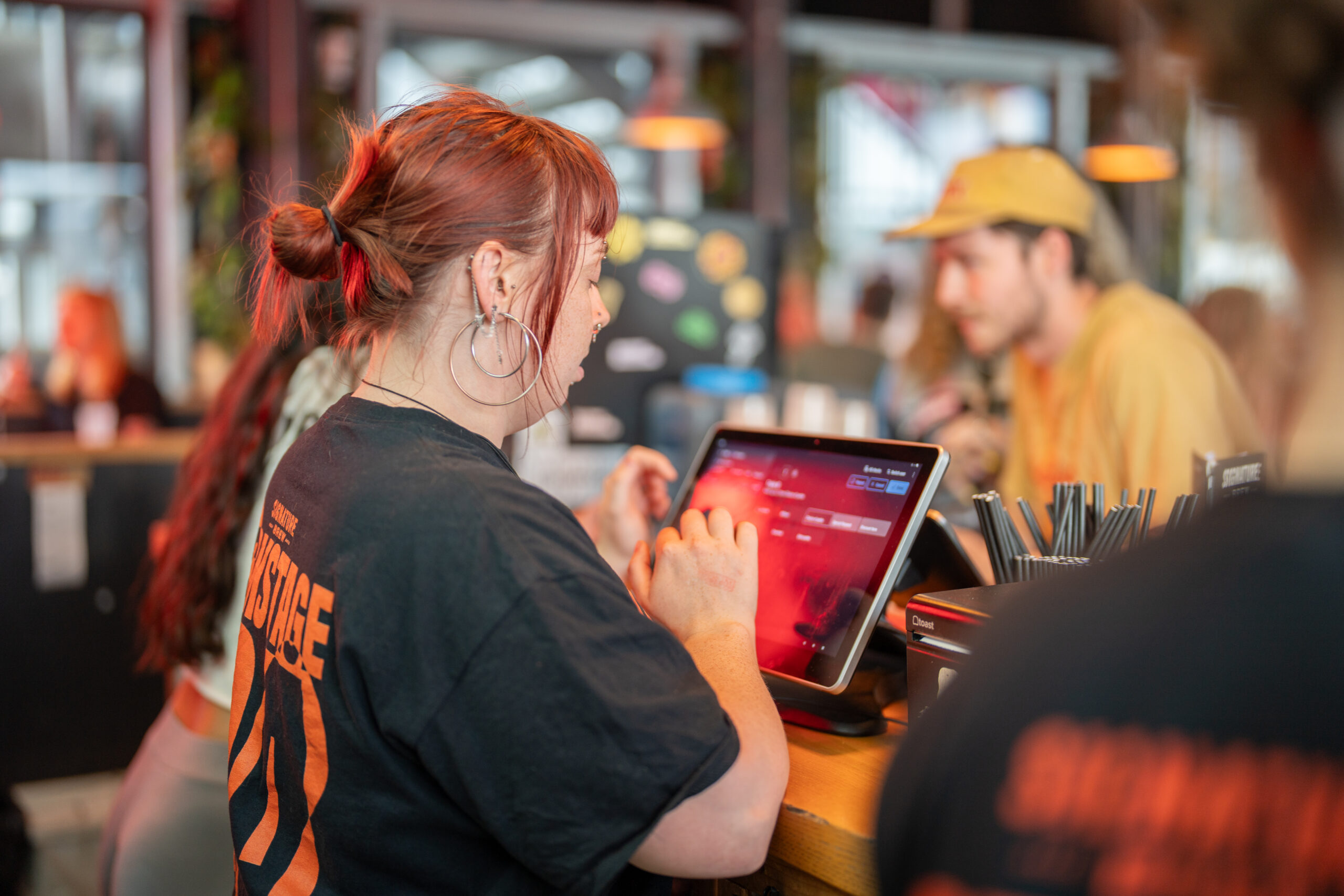
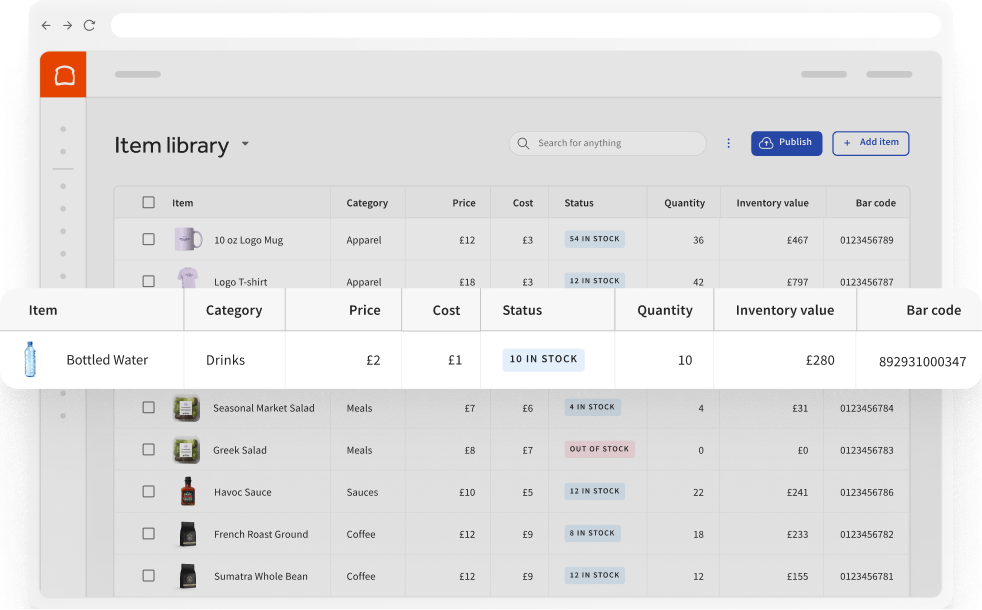
Toast is incredibly robust, allowing venues to do a lot more than just take orders. What does the system unlock for a business in terms of data, guest retention, or back-of-house management?
Toast goes beyond taking orders, it becomes the operational hub of the business, giving operators much more control and visibility.
From a data perspective, it provides real-time insight into sales, labour and menu performance, allowing managers to make decisions during service rather than after the fact.
For guest retention, integrated tools like loyalty, gift cards and marketing help venues build direct relationships with customers and drive repeat visits without relying on third parties.
On the back of house side, Toast centralises menu management, reporting and (where used) inventory, reducing manual admin and improving consistency across sites.
Overall, it helps operators move from reactive management to more informed, proactive decision-making.
While great tech can benefit anyone, would you say Toast is ideally suited for medium-to-large hospitality operations, and if so, why does it thrive in that space?
Toast can add value to businesses of all sizes, however we do really thrive in the bigger scale quick service and all full service restaurants/bars and cafes.
As venues scale, they need better control over staff, service and multiple systems, Toast brings this into one connected platform, helping maintain consistency and visibility across the business.
At that level, small efficiency gains in speed of service, labour and table turnover have a much bigger commercial impact, so the value becomes more pronounced.
It’s also particularly strong for multi-site operators, where centralised reporting, menu management and performance tracking across locations becomes essential.
In short, the bigger and more complex the operation, the more value Toast tends to deliver.
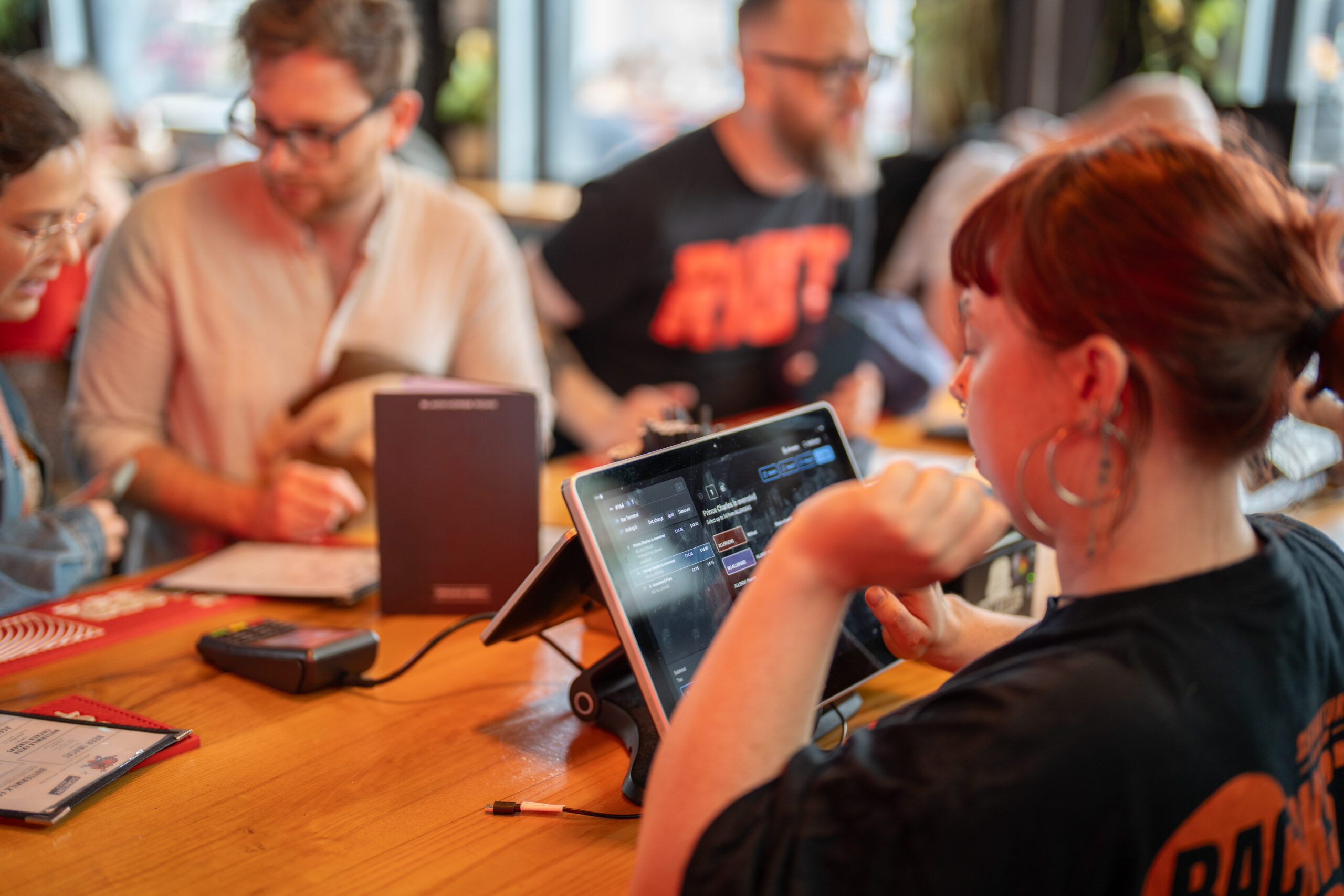
Having watched the Brighton and Sussex hospitality landscape evolve over the years, what is your take on the current state of our local food and drink scene?
I have only been selling into Brighton for around a year, so I may not be the best to answer, but I think the local food and drink scene is in a really interesting place, still very strong, but also evolving quite quickly.
On one hand, you’ve got an incredibly resilient independent scene. Brighton especially has always had that “independent-first” identity, and you still see brilliant operators opening new concepts, refining their offering and pushing quality across pubs, cafés and restaurants. There’s a real sense of creativity and personality in the venues here, which is what makes the city stand out nationally as a result drives so much tourism.
At the same time, it’s also a tougher trading environment than it has been in the past. Costs are higher, margins are tighter, and operators are having to be far more strategic about labour, efficiency and how they drive repeat business. Obviously, it is worrying when you see restaurants like Gingerman, which has been open for over 20 years closing down.
Hospitality is and always has been a very resilient industry, we suffered as one of the worse during covid, had bad government decisions, but we always seem to bounce back, somewhat smiling!!
You’re incredibly passionate about this patch of the coast. What is it specifically about Brighton’s unique culture and energy that makes you love living and working here?
As I mentioned before I have lived in Southampton, Cornwall and London in the UK, but also spent 2 years in Sydney Australia and 6 months in Colorado in the US so I have seen a huge mix of culture and energy. I think Brighton definitely has the most community feel to it, A lot of operators genuinely support each other, and you see people moving between venues, collaborating, and helping the scene grow rather than it feeling overly competitive.
On a personal level it is also just a great place to live. You’ve got the coast, a strong food and drink culture, and then the South Downs right on your doorstep, creating a nice balance of work and lifestyle, with options for everybody to enjoy.

When you’re off the clock and stepping away from the technology side of things, how do you like to spend your spare time in Sussex?
I am a member at Cuckfield Golf Club which as you know has 180 Degrees Restaurant attached to it, which is actually one of our customers. So if I am not playing golf on the course I will enjoy a beer and pizza looking out at the amazing views (if you haven’t visited, I highly recommend) Apart from that, I spend a lot of time with my fiancée, who is the reason why I moved to Sussex from London.
With so many world-class choices on our doorstep, do you have a personal favourite restaurant in Brighton or the wider Sussex area that never fails to impress you?
I recently went to POCO, must admit it did exceed all my expectations, they have really created something special there, from the low ceiling, to the musician setting the mood, to the vast wine list, and of course, the food. Highly recommend the Stracciatella for Dessert, I never knew olive oil and salt would go so well with ice cream!!
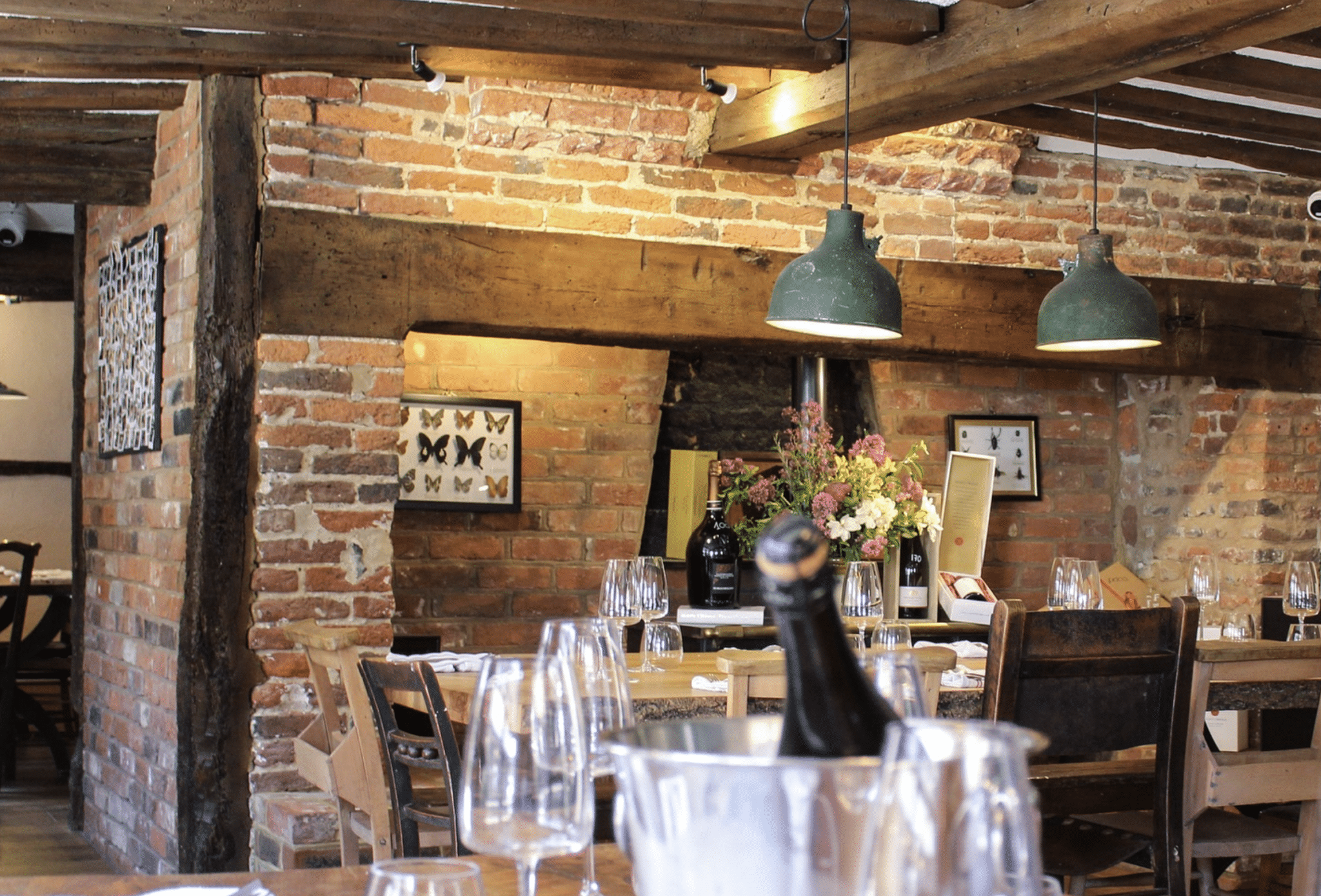
Given your background in the pub and nightlife trade, where do you head locally when you’re looking for the absolute best beer experience?
If I am at home it will be the Thatched Inn in Hassocks, they serve my favourite summer beer Jubel peach flavour, always goes down well in their huge beer garden after a busy day of work. In hove it has to be the better half pub, their food is unmatched for pub food and great Guinness.
A classic weekend question for a local: where is your go-to spot in town for the ultimate breakfast or brunch?
I have to shout out my local greasy spoon, The Corner Cafe in Hassocks, especially good if you have overindulged the night before. In town, it has to be Moksha every time, I love Ollie, Lottie and the team. Moksha have also just starting using the Toast POS.
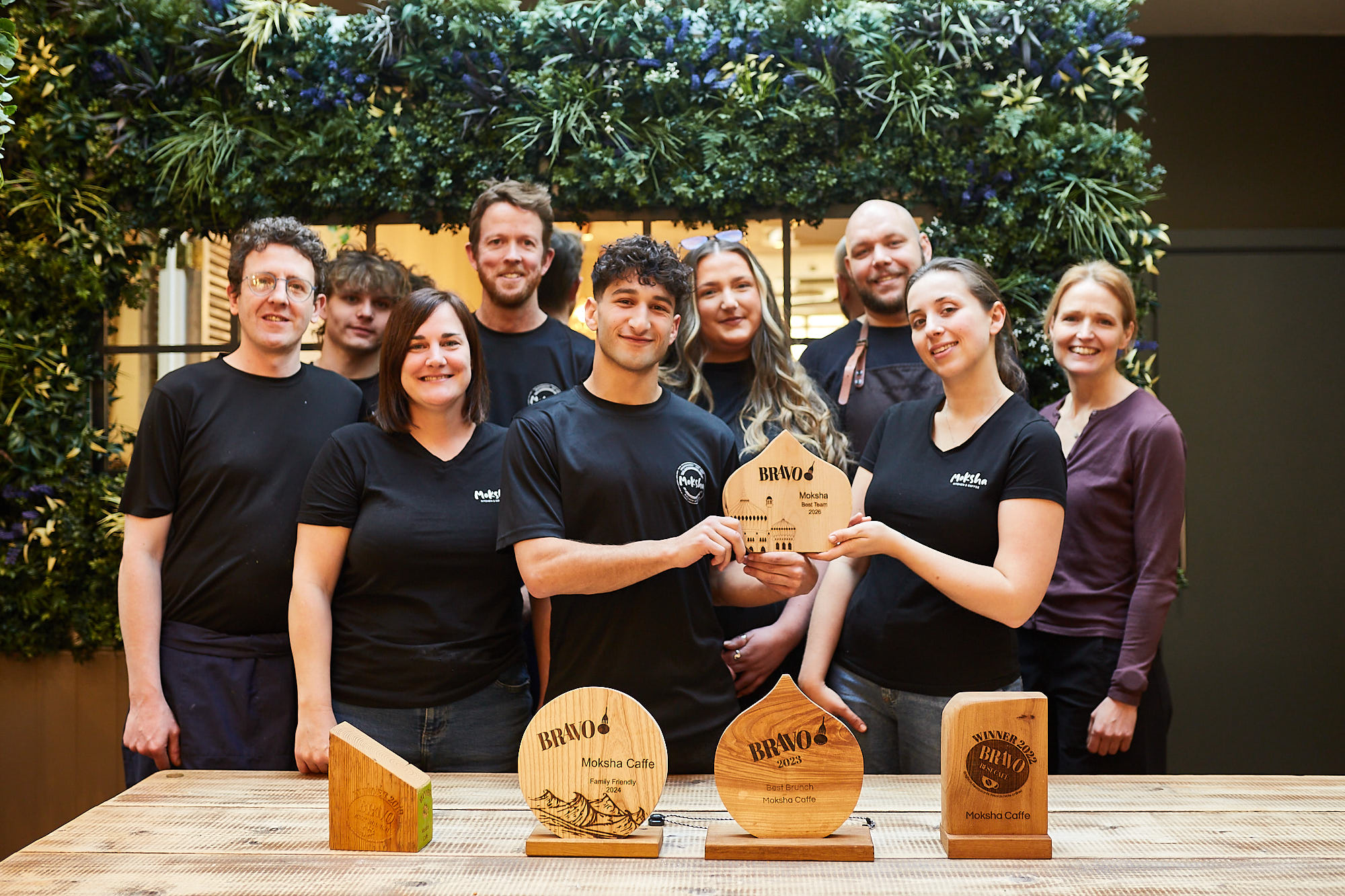
The team at Moksha in Brighton
If a medium or large hospitality business in Sussex is looking to optimise their efficiency and wants to explore what Toast can do for them, what’s the best way for them to get in touch with you?
They can either email on ashley.saunter@toasttab.com or I love speaking on the phone so please do call on +447785768149. I am happy to organise either face-to-face or virtual meetings over zoom, whichever is easiest for your schedule.