
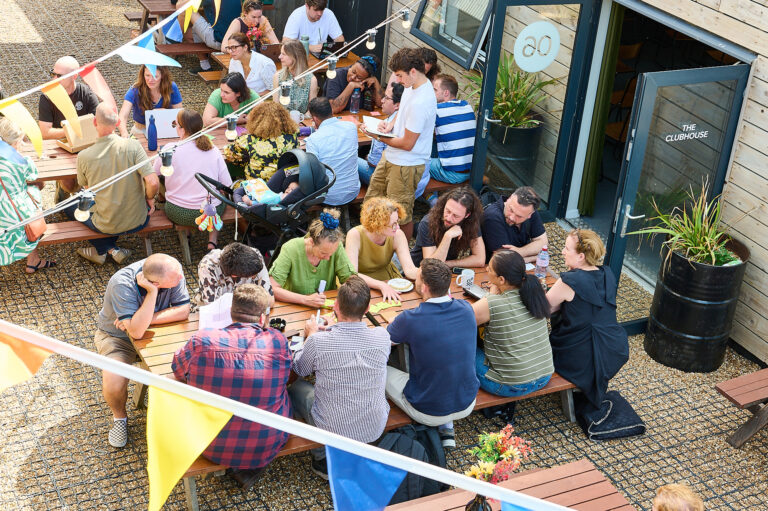
Yesterday’s Sustainability Workshop at Brighton’s Sea Lanes was as productive as it was fun.
When hospitality people decide to take some time out of their busy schedules to attend a workshop you can always be confident that you will get their focused and frank attention.
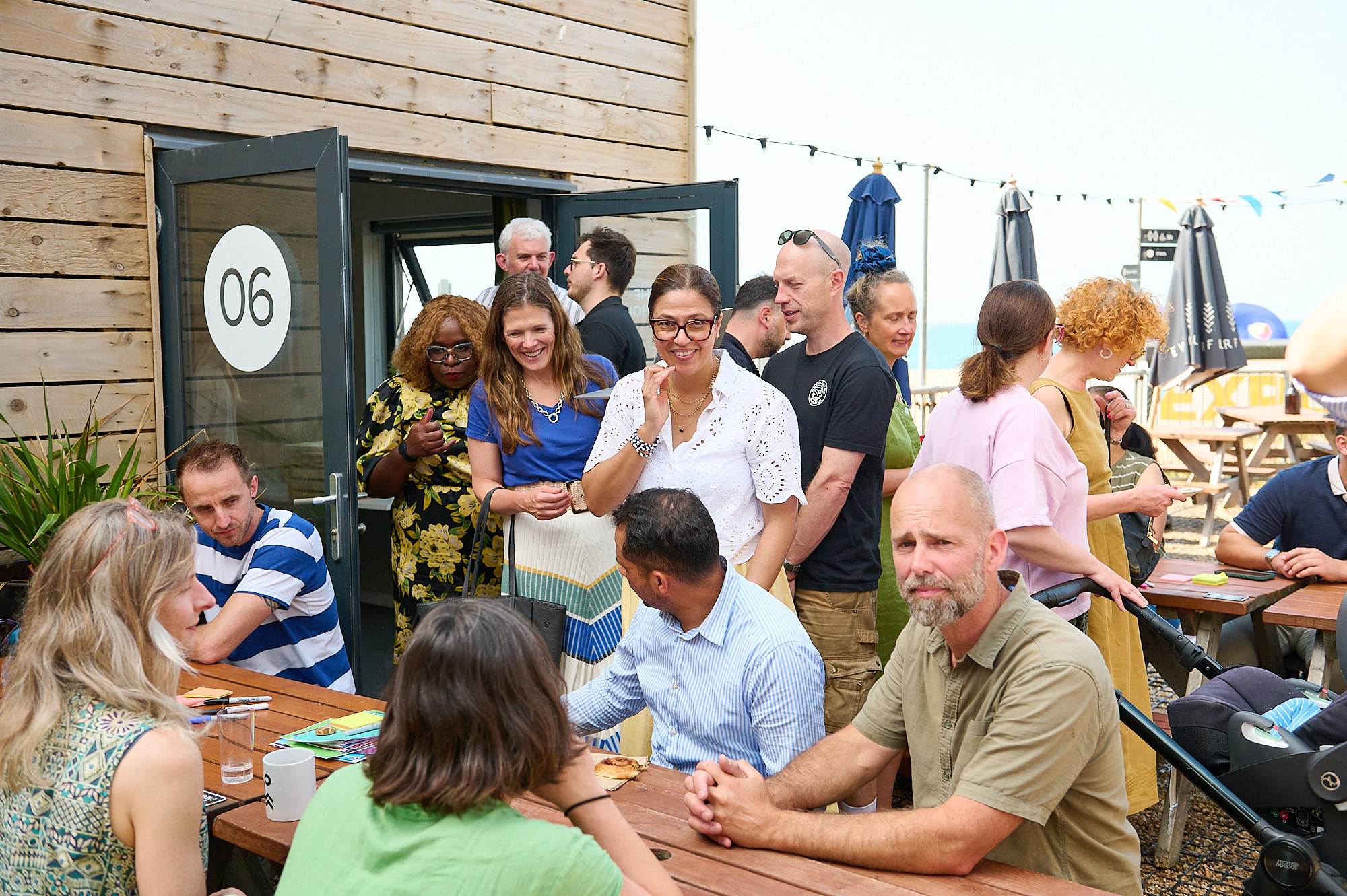
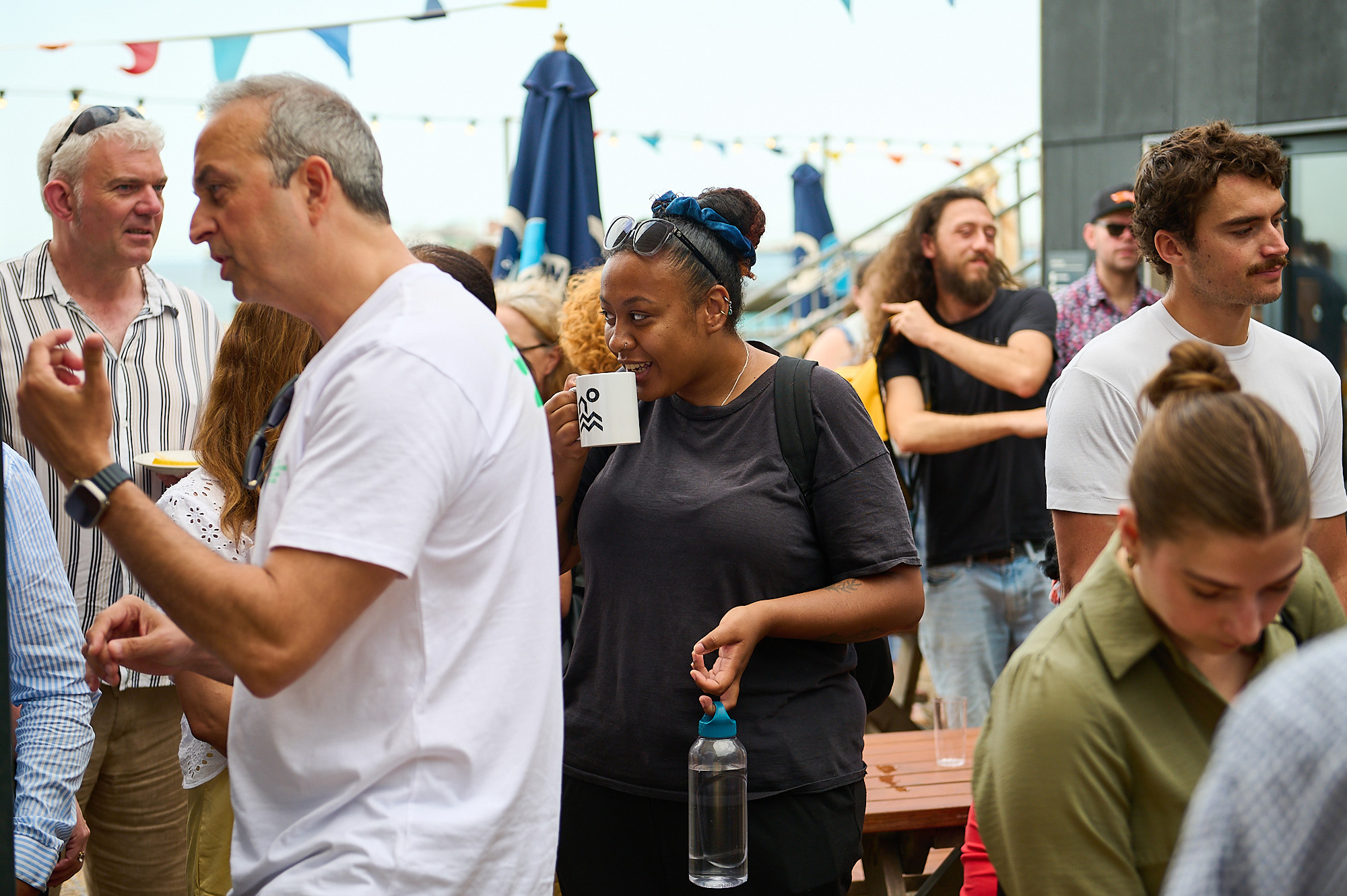
We were delighted to welcome over 50 people to this, our 5th event in the series. Special thanks to those who turned up early but had to rush back and deal with bin crises, or turned up late having dealt with overheating crises. The unseasonably hot weather providing a sweaty reminder of why it’s important that we get together to come up with actions that are appropriate to the context we are living in.
Who was there
Alliance Southeast, Black Mocha, Black Rock Restaurants, Bonsai Plant Kitchen, Brighton Food Story, Fika Bakery, Harriet’s of Hove, Lima Nikkei, Materials Interiors, NORD, Nostos, Open Bakery, Palmito, Redroaster, Sea Lanes, The Menu Partners, The North Star, The Westbourne, Sustainable Ply, Toast, DoubleTree by Hilton Metropole, and Brighton and Hove Tourism Alliance (ΒΗΤΑ). Key project partners, including Brighton & Hove City Council, the Brighton and Hove Food Partnership, Prept, Recorra, SOENECS, the Sustainability Forum, the UNESCO Biosphere, and the University of Brighton alongside our team from Restaurants Brighton.
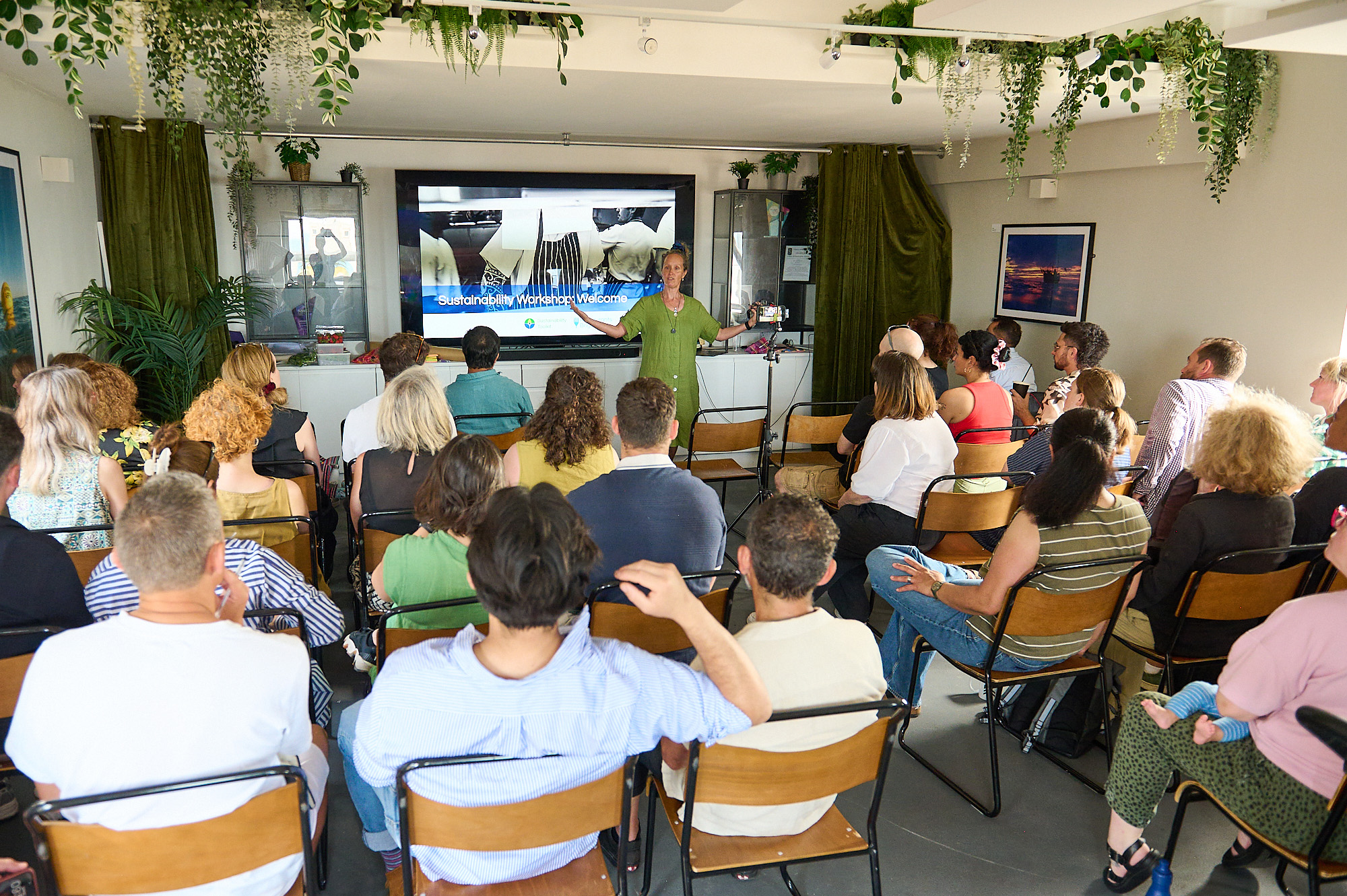
The Agenda
We heard insights on the Sustainability Toolkit from circular economy consultant, David Greenfield of SOENECS. Sarah Dobson from Brighton & Hove City Council and the UNESCO Biosphere spoke about the importance of choosing the right finfish and shellfish given the extent of over-fishing, followed by an overview of insights and interventions from the Food Waste Project by Dr Kamila Walters of the University of Brighton. We then heard from Matthew Jennett of Sea Lanes, Kyriakos Baxevanis of Nostos, insights on sustainable independent sourcing from Diego Ricaute of Palmito, and an exploration of commercial kitchen tech and Winnow insights from Winnet Chiyaka of the DoubleTree by Hilton Metropole. This is the Sustainability Workshop agenda in full.
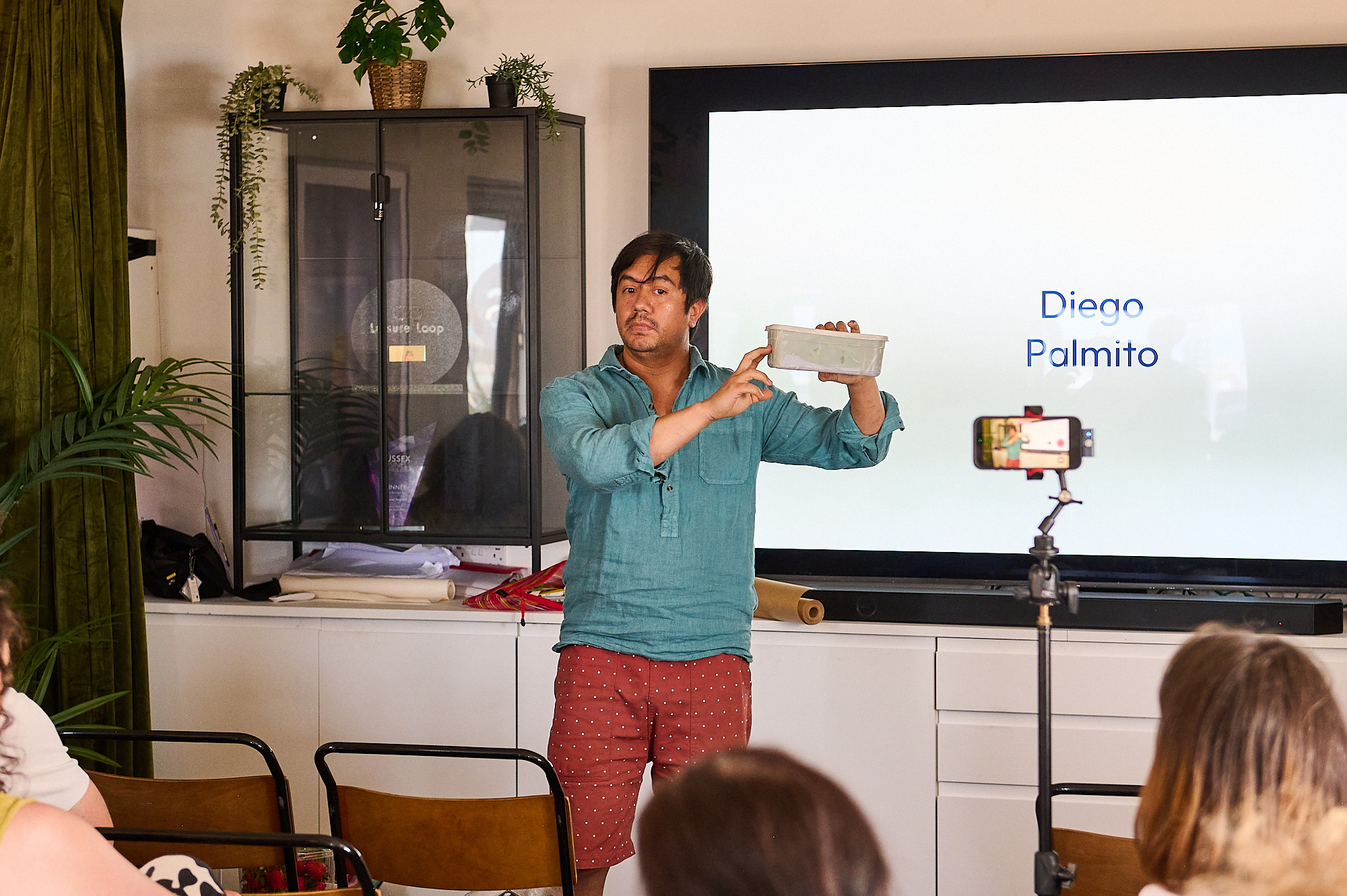
The workshop element focused on a Show and Tell of different sustainable solutions and a discussion around logistics around collaborative procurement.
Key themes
So much was discussed in a short time that a quick round-up can only hint at. These are some of the things we think you would like to know.
Designing the menu
Everything starts from the design of the menu. Making sure that plant-based options are championed not because they are vegan but because they are great dishes. Using the whole product, keeping trimmings for stock, controlling portion sizes not only to reduce waste and keep an eye on profitability but also because an over-sized main excludes the opportunity to sell dessert! Ultimately though, a great menu ensures a group of friends can eat delicious food together, regardless of their individual values or dietary needs.
Using local producers can mean managing a roster of 40 different suppliers which can be hard – and expensive – for any business and logistics can play as important a role as cost when deciding what to buy and from whom.
Waste
As well as designing the right dishes, choosing the right ingredients and planning for waste material was also highlighted. There are potential savings in some sort of buying club but where do you store the bulk bought ingredients and what do you do with something like the plastic that was wrapped around the palette?
One participant highlighted the importance of “Finding the existing chains!” – if someone has already solved the challenge of carting away and reusing cardboard, for example, tap into that. One solution that was discussed was encouraging larger suppliers with existing logistics in place to provide hyper-local produce as part of their main catalogue.
The importance of sharing information
From a huge range of innovative products made from waste materials, strawberries picked that morning in Sussex, the importance of not eating mackerel and cod, choosing a coffee cup that can actually be recycled, we all need to talk about these things more, more often, and to more people. Assuming that people already know what you know limits the reach of these ideas, products, and solutions. If you care passionately about the ingredients on your menu, celebrate that, if you are proud of the materials you’ve built your kitchen counter from or have found a brilliant way to use cardboard then tell those stories.
Stay in touch
There will be so much more to say and share so please do check the sustainability box on this page if you want to be invited to these events and if you want to hear updates. It’s not a newsletter, more of an occasional list.
Check out our Sussex Suppliers list. If you think your favourite supplier should be on there, please tell them to get in touch too.
Follow our Hospitality Hub on Instagram.
Remember that this work is never done and that every opportunity to do something even a little bit better is worth it.
Resources
- You can download the slides here.
- You can also view the individual speeches from hospitality and sustainability experts.
- Matthew Jennet at Sea Lanes
- Dr Kamila Walters from the University of Brighton
- Winnet Chiyaka from Double Tree by Hilton Metropole
- Diego from Palmito Restaurant
- Sarah Dobson from Unesco Biosphere
- David Greenfield from SOENECS