
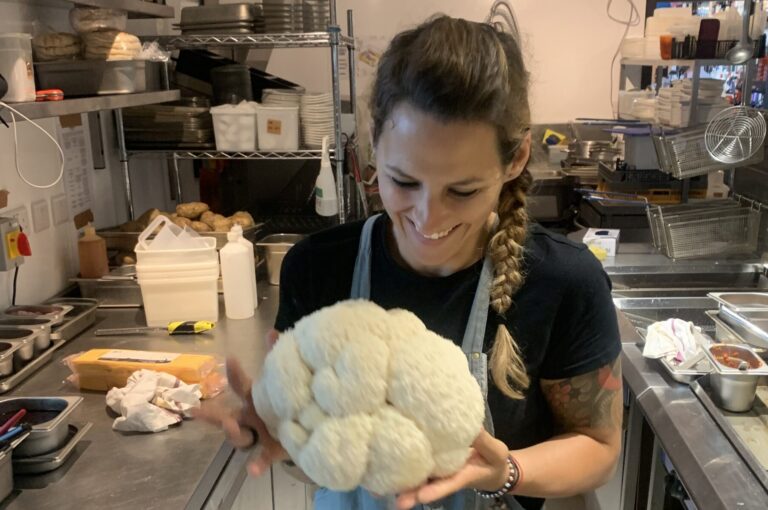
As part of our Women in Hospitality series, we meet Laura Karall, Head Chef at Café Rust. With a background shaped by Silo’s zero-waste philosophy and a deep passion for sustainability, Laura discusses fostering positive kitchen cultures, empowering her team, and her mission to combine conscious cooking with creative excellence.
You’ve recently joined the team at Café Rust and mentioned you are enjoying the constant evolution there. What was it about this specific venue that drew you in for this new challenge?
Café Rust appealed to me because it doesn’t feel static — it operates more like a living concept of breakfast lunch, soft lunch brunch than a fixed-format café.
The constant evolution of the weekly special dishes, and the willingness to test ideas in real time create a dynamic environment that’s rare in neighbourhood venues.
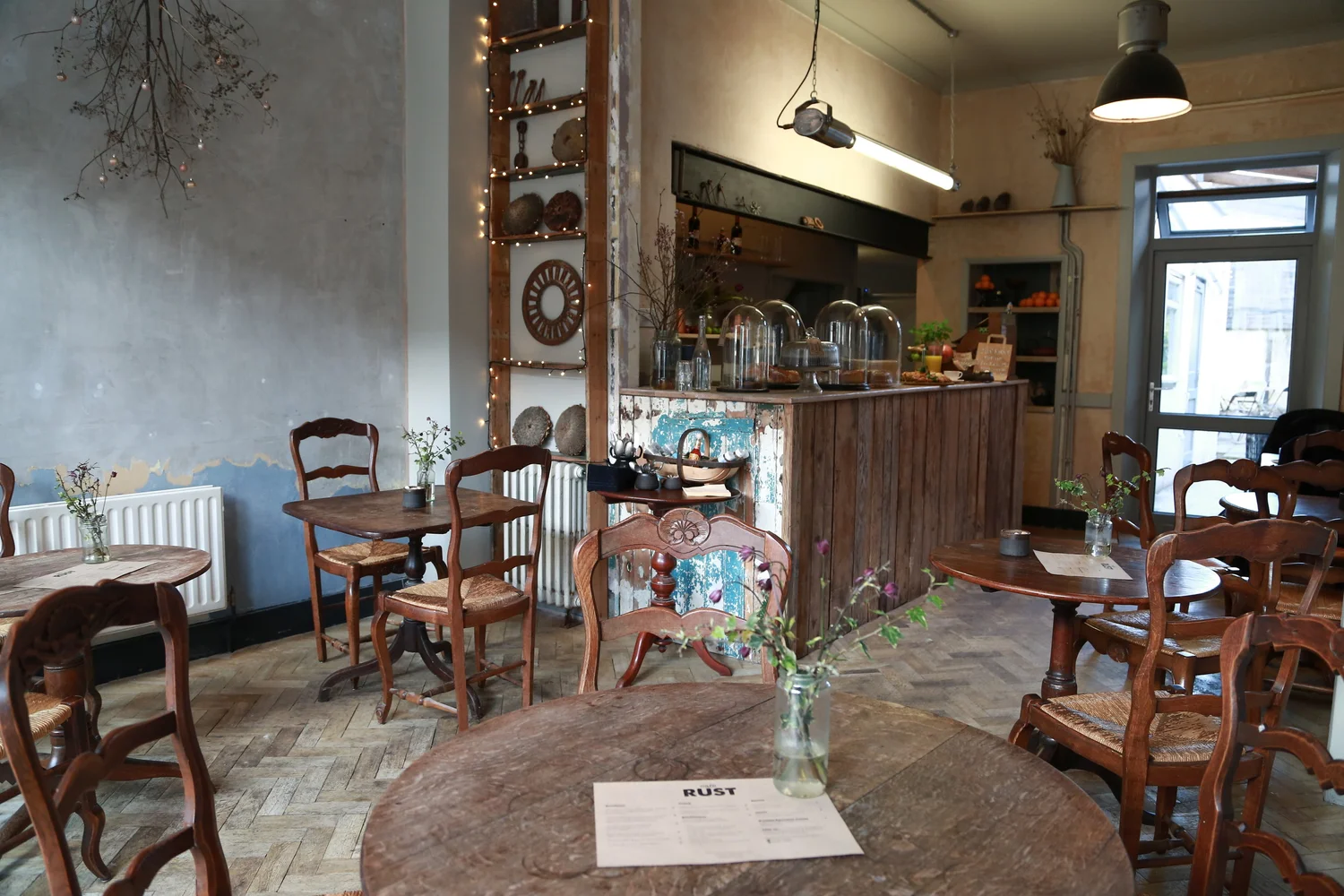
Our owners, Karin and Barbaros, are genuinely lovely people. They really look after their staff and are curious about new dishes and flavour directions, which gives us creative freedom within a supportive structure.
What drew me in specifically was the balance between refinement and accessibility. There’s a clear culinary direction, but it’s not precious. That intersection between creativity and operational realism is where I like to work.
I was also attracted to the culture. The team seems genuinely open to collaboration and iteration. That makes it possible to push flavour development, improve systems, and refine consistency without losing momentum during service.
Ultimately, it felt like a place where I could contribute meaningfully — not just execute, but help shape the next phase of what Café Rust might become.
You’ve described your new team as “supportive, fun, and committed.” How does that positive culture impact the day-to-day operations and the food coming out of the kitchen?
At Cafe Rust in Hove there are three of us in the kitchen, and we are from very different culinary backgrounds. Marta, from Poland, brings a vegan and vegetarian perspective. Thomas, my German sous chef, is solid in classical technique, meat dishes, and traditional German structure. I’m Hungarian-born, so there’s that Eastern European depth — I definitely use smoked paprika very often — layered with Italian technique, modern influences, some Japanese touches, and a strong minimal-waste philosophy.
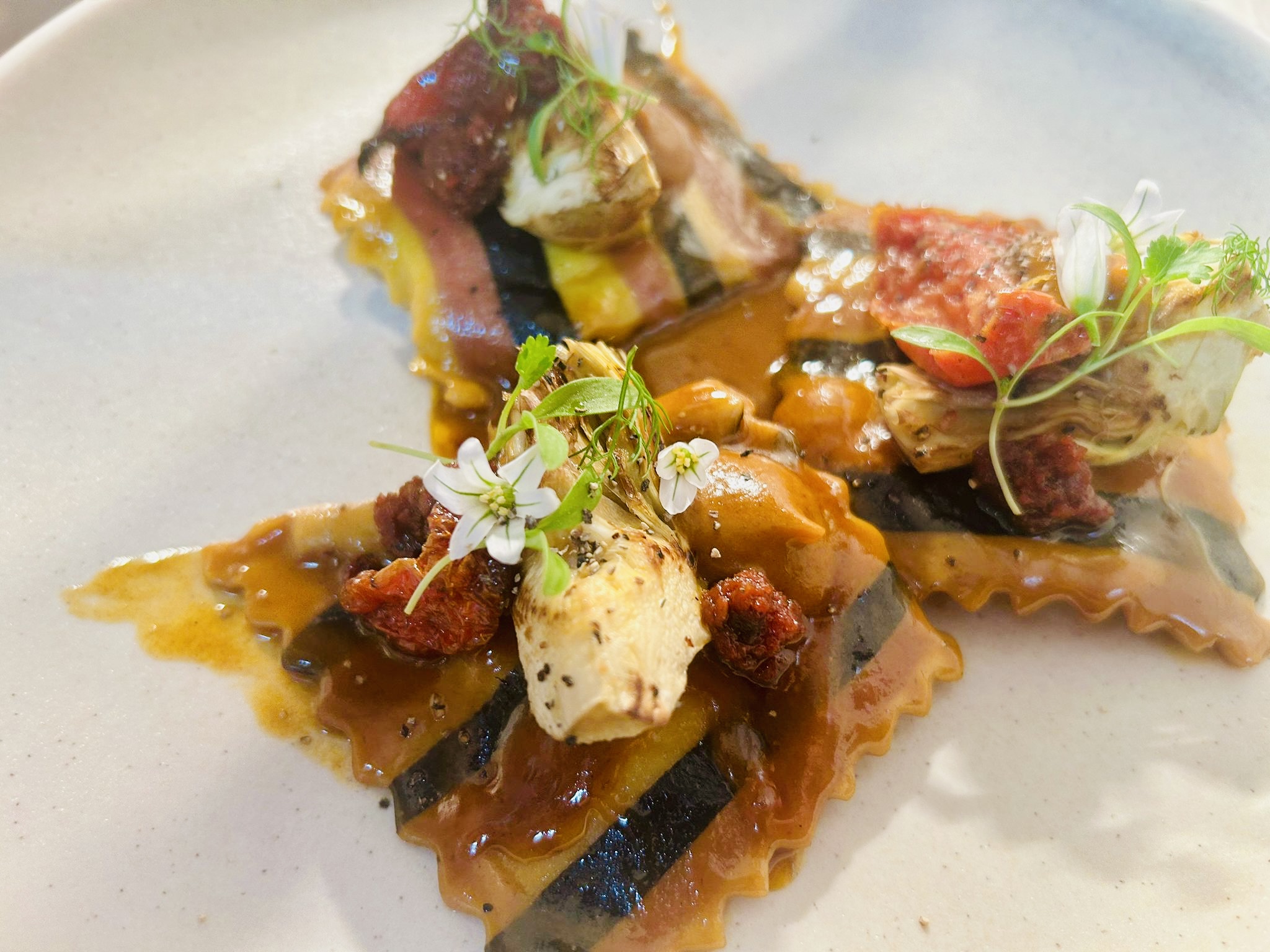
When these 3 perspectives meet, the weekly specials become an interesting collaboration and often unexpectedly layered. The humour is the same. Just as varied as the food — very different styles, but it works.
The “fun” element is what makes that collaboration sustainable. We spend eight hours a day together in a fast-paced environment, constantly multitasking — managing dietaries and allergens, timing, communication, and execution. Without a positive atmosphere, focus drops and pressure escalates quickly.
Laughter during a busy service isn’t a distraction; it’s a reset. It releases tension, restores clarity, and keeps the team sharp.
Guests feel that energy immediately. A smiling, engaged team creates warmth and authenticity. Strong ambiance, genuine hospitality, and consistent food are the foundations of a successful business — and culture underpins all three. The fun aspect may be undervalued, but operationally, it’s essential.
You mentioned implementing “small changes” that gradually improve the offering. Can you share an example of a recent change you’ve made that has really resonated with the Café Rust regulars?
At Café Rust, we’re refining our ingredient sourcing with a stronger seasonal alignment and minimal food waste mindset.
For example, we’re asking:
What can we do with orange peels from fresh juice service?
How can we utilise the heart of a cabbage or the interior trim of a squash? Steal bread?
Those by-products become components — citrus oils, syrups, ferments, purées, stocks, crumbs — rather than waste. Cross-utilisation between core dishes and specials allows us to reduce trim loss while strengthening flavour depth across the menu. It’s about embedding a minimal-waste mindset into everyday kitchen decisions rather than treating sustainability as a separate initiative. Our weekly specials are built around peak-season fruit and vegetables, which naturally improves flavour, quality, and cost control.
We’re also using the weekly specials strategically. They function as a testing ground — allowing us to hear guest response, refine flavour profiles, and identify potential hero items for the core menu.
It’s a low-risk way to innovate while staying commercially informed.
In three words, how would you describe your current role at Café Rust? (You previously used “Creativity, Curiosity, and Fun”—do those still hold true?
Creative Fun and more conscious.
You previously highlighted the high pressure and long hours as the toughest parts of the job. How do you personally ensure you “leave everything behind” after a shift to maintain a healthy balance?
I try to take a long walks to home when the weather permits , doing some workout, and doing meditation that helps me to disconnect , breath and release the pressure.
For International Women’s Day, what is one piece of advice you would give to a young woman who feels overwhelmed by the “infinite fatigue” that can sometimes come with a culinary career?
I would say: honour your energy as much as your ambition.
Culinary careers can be exhausting, and sometimes you have to work harder than your male colleagues to earn the same recognition. That effort builds skills, knowledge, and experience. Remember: consistency matters more than perfection — small, reliable steps compound over time. Listen to your fatigue, set boundaries without guilt, and protect the joy that drew you to cooking. Curiosity and experimentation will sustain you, allowing you to thrive and create with intention.
You’ve shared your appreciation for the industry in Brighton being “forward-thinking”. What makes the community of women in Brighton’s hospitality scene so unique?
The community of women in Brighton’s hospitality scene is growing and evolving. There’s a real drive to build a stronger network and support system for chefs, and while it’s still a work in progress, women are increasingly sharing knowledge, mentorship, and practical insights.
At Café Rust, that energy is reflected internally. Our General Manager, Anna, is a strong and inspiring woman — curious, open to conversation, and an excellent baker and chef. Across the company, all site managers are women, and at our Preston Road and Hove sites, we are both head chefs women, creating a visible example of women in leadership.
Combined with Brighton’s forward-thinking — this creates a space where women can continue to build community, innovate, and make a tangible impact in hospitality.
You have a deep knowledge of everything from Japanese fusion to French-based cuisine. But when you’re at home and just want comfort, what is the one dish you always go to?
Hungarian bean soups with smoked paprika- reminds me of my childhood and my Mom, and pasta with pesto- I absolutely love it, I could eat it fro a week. It reminds me of my very early chef life.
Brighton is full of incredible independent spots. Where are your personal favourite places in the city to go for a meal when you finally get a night off?
I love UniThai. It gives me that small family run thai vibes. For a pizza: V.I.P. Is my absolute favourite. But there are so many I really love.
As we move through 2026, what is the “moment that stands out” for you right now—is it a new dish, a successful event, or simply the growth of your team?
In 2025, I completed an intensive online course in Sustainable Food Production and Processing with the University of Cambridge, which strengthened my understanding of supply chains, processing systems, and environmental impact. The year before, I undertook a long internship at Silo, the world’s first zero-waste restaurant, which profoundly influenced how I approach kitchen operations.
In 2026, I want to continue expanding my education in sustainability — both academically and practically.
I believe chefs can serve as a bridge between customers and supply chains, helping people understand why seasonal, locally grown, and responsibly farmed food matters.
Through initiatives like last year’s FairShare fundraising events, I saw that guests are genuinely curious and willing to engage with these conversations. That gives me optimism. My focus this year is to keep building projects that connect sustainability, education, and everyday hospitality in a tangible and impactful way.