From Estonian foraging to London’s Michelin-recognised kitchens, Monika Prikk’s journey celebrates “honest cooking.” Now Head Chef at Apiary, Hove, she blends Mediterranean style with honey-infused flavours. As part of our Women in Hospitality series, we discuss her transition from psychology to the pass, kitchen mental health, and her mission to build a more inclusive future within the industry.
To start at the beginning, could you tell us a bit about where you come from and what your culinary journey looked like before arriving in Hove?
I’m originally from Estonia, a small but beautiful country in Northern Europe, where I lived until my early twenties before moving to England. Food always had a part in my upbringing. My mum is an excellent home cook, and so was my grandfather who was incredibly hands on when it came to food. He would take me and my older brother foraging and fishing, and we would watch him butcher meat and smoke fish in a smoker he built himself. I grew up surrounded by real, honest cooking, and looking back now, I realise how lucky I was to experience that.
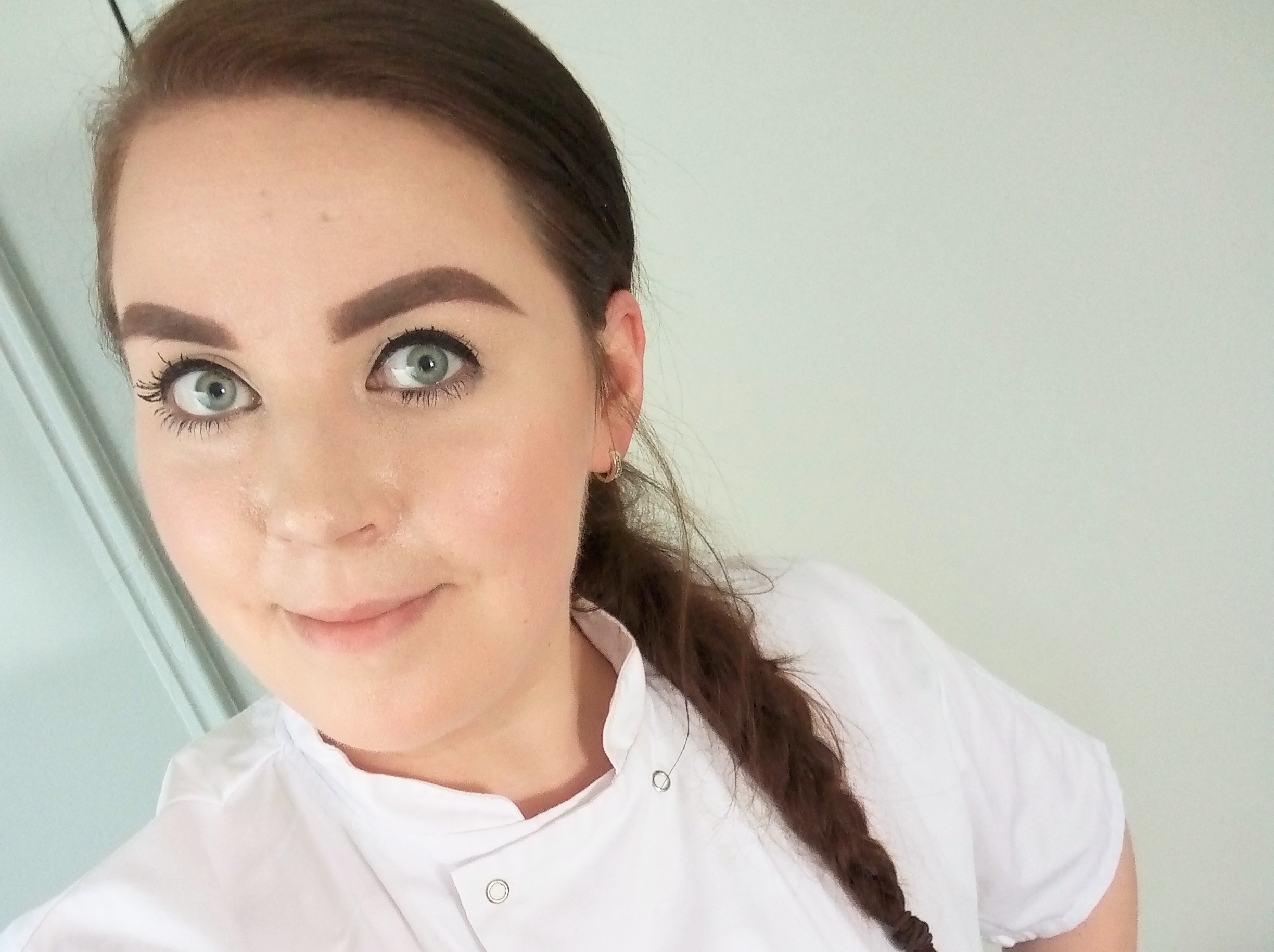
At university, I actually studied psychology, but in my mid-twenties, I made the decision to completely change direction and step into hospitality. Cooking had always been my passion, and I wanted to turn it into something more than a hobby.
I’ve worked in several cities, but mostly in London, where I had the opportunity to work alongside some amazing chefs in restaurants recognised by the Michelin Guide and awarded AA Rosettes. I have worked in some demanding kitchens, where 70-80 hour work weeks are normal if you want to prove yourself and show your commitment. Those years and kitchens shaped me – my resilience, discipline and standards.
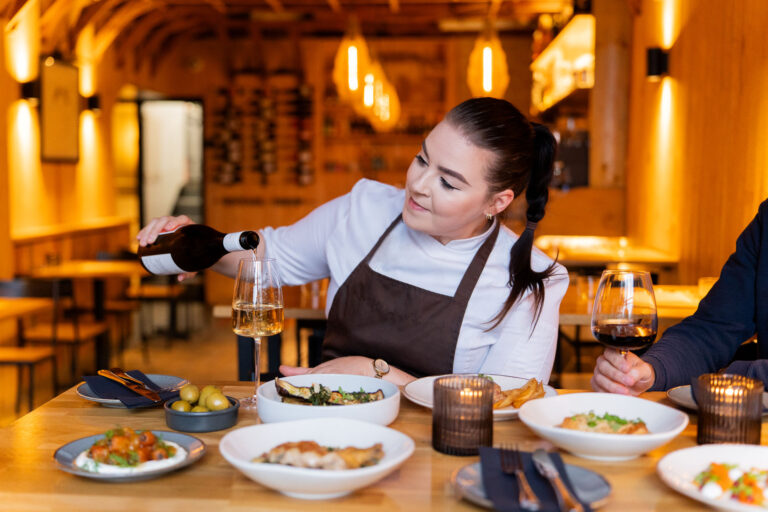
When it came to choosing my third head chef role, I made a conscious decision. I wanted to continue doing what I love, but also wanted a more sustainable way of working – a better work life balance, spending more time with my partner and my friends, while still cooking great food and making people happy through that. That is ultimately what has brought me to Hove, and to Apiary.
Reflecting on your career so far, what is the most valuable piece of advice you received as a chef?
One of the most valuable pieces of advice I’ve received came from a chef-restaurateur I had the privilege of working with in London, who is widely respected not only for his food but for his advocacy around mental health in our industry.
He taught me never to lose sight of myself — that looking after your own wellbeing, and that of your team, is just as important as what goes on the plate.
That advice has stayed with me. As well as that every chef has different strengths, weaknesses, and ways of learning. Recognising that no two people are the same, and adapting how you lead and teach accordingly, has shaped the way I run a kitchen today.
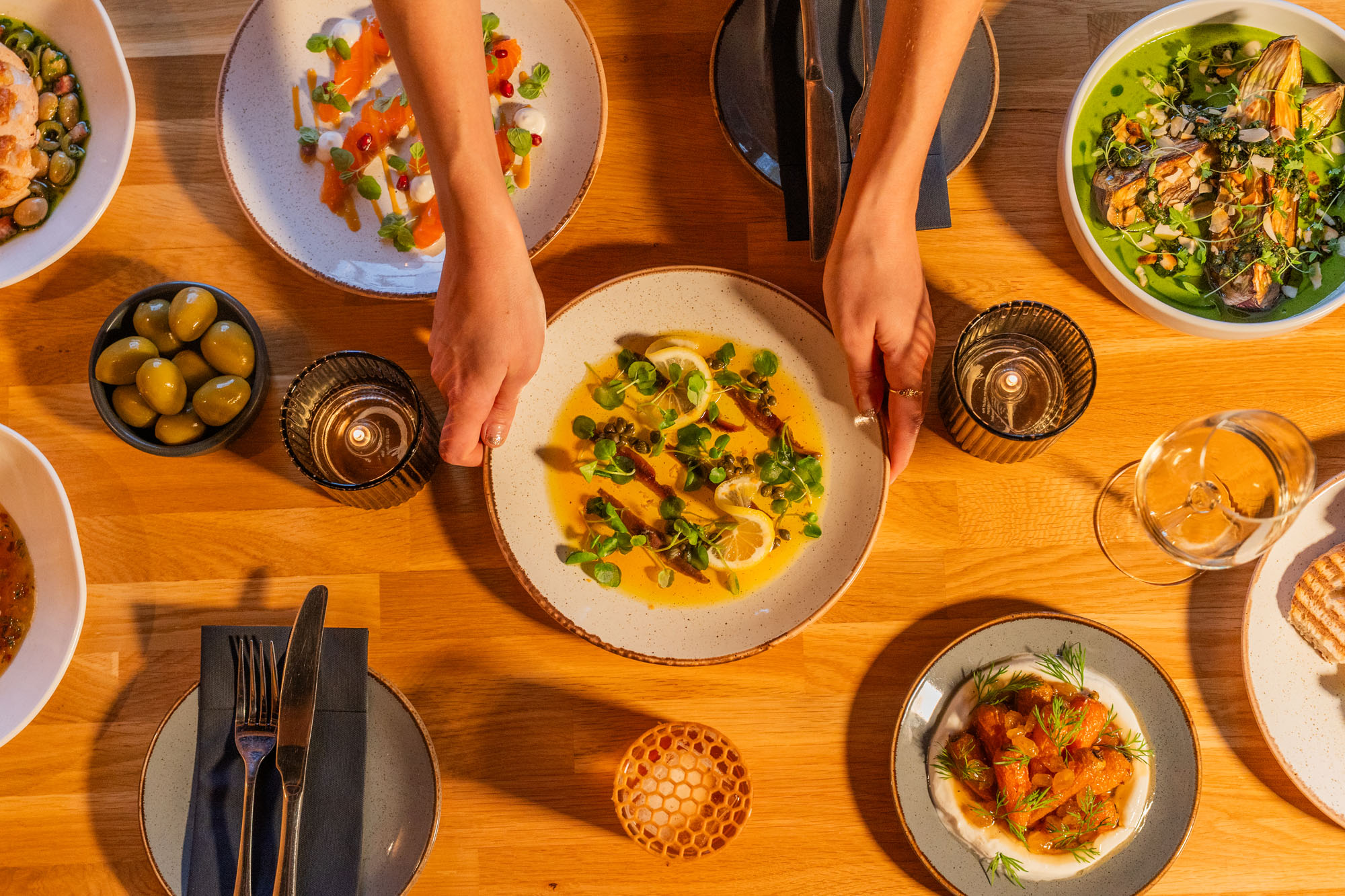
How has your specific culinary background and personal style shaped the unique honey-infused menu at Apiary?
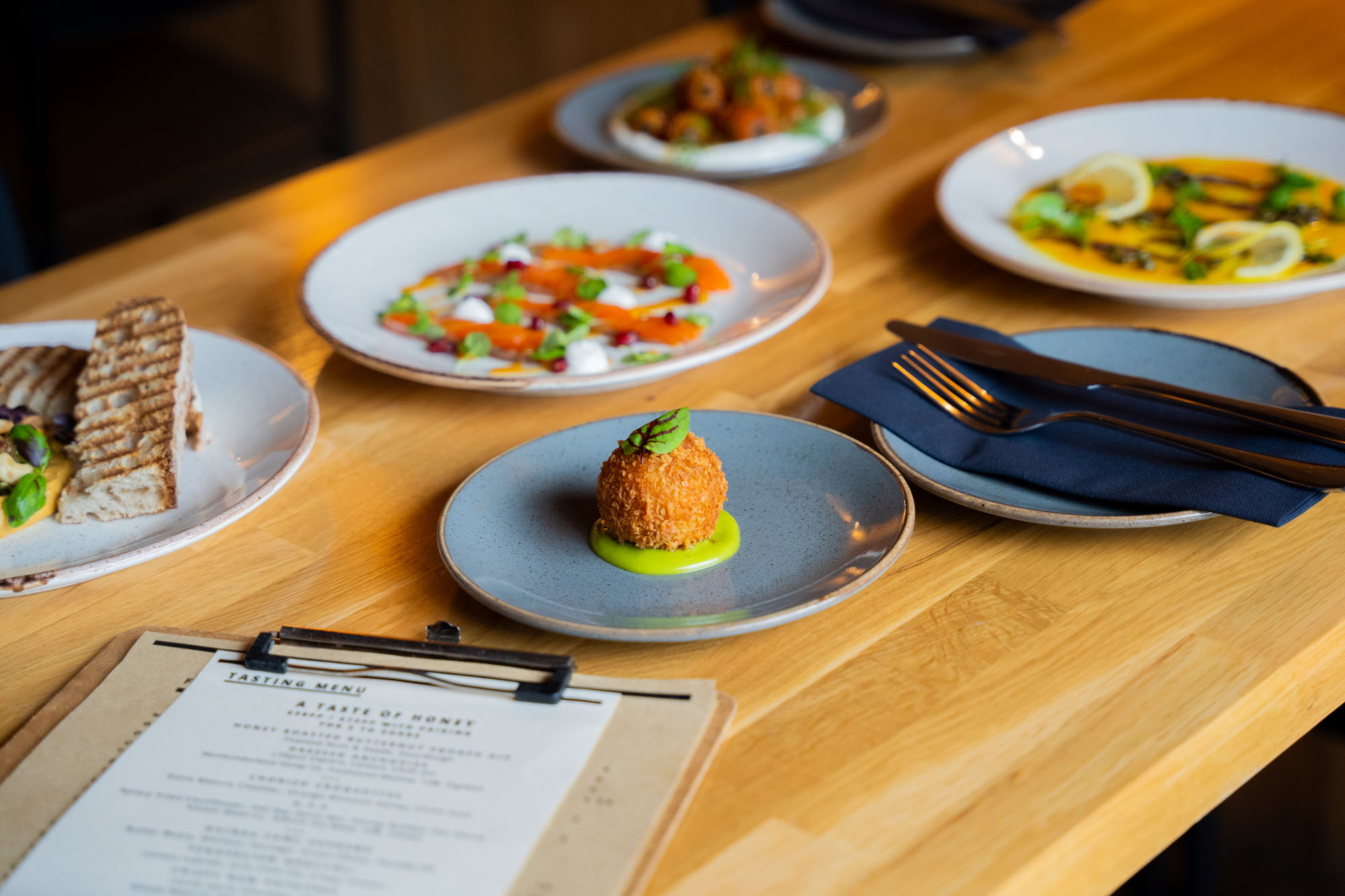
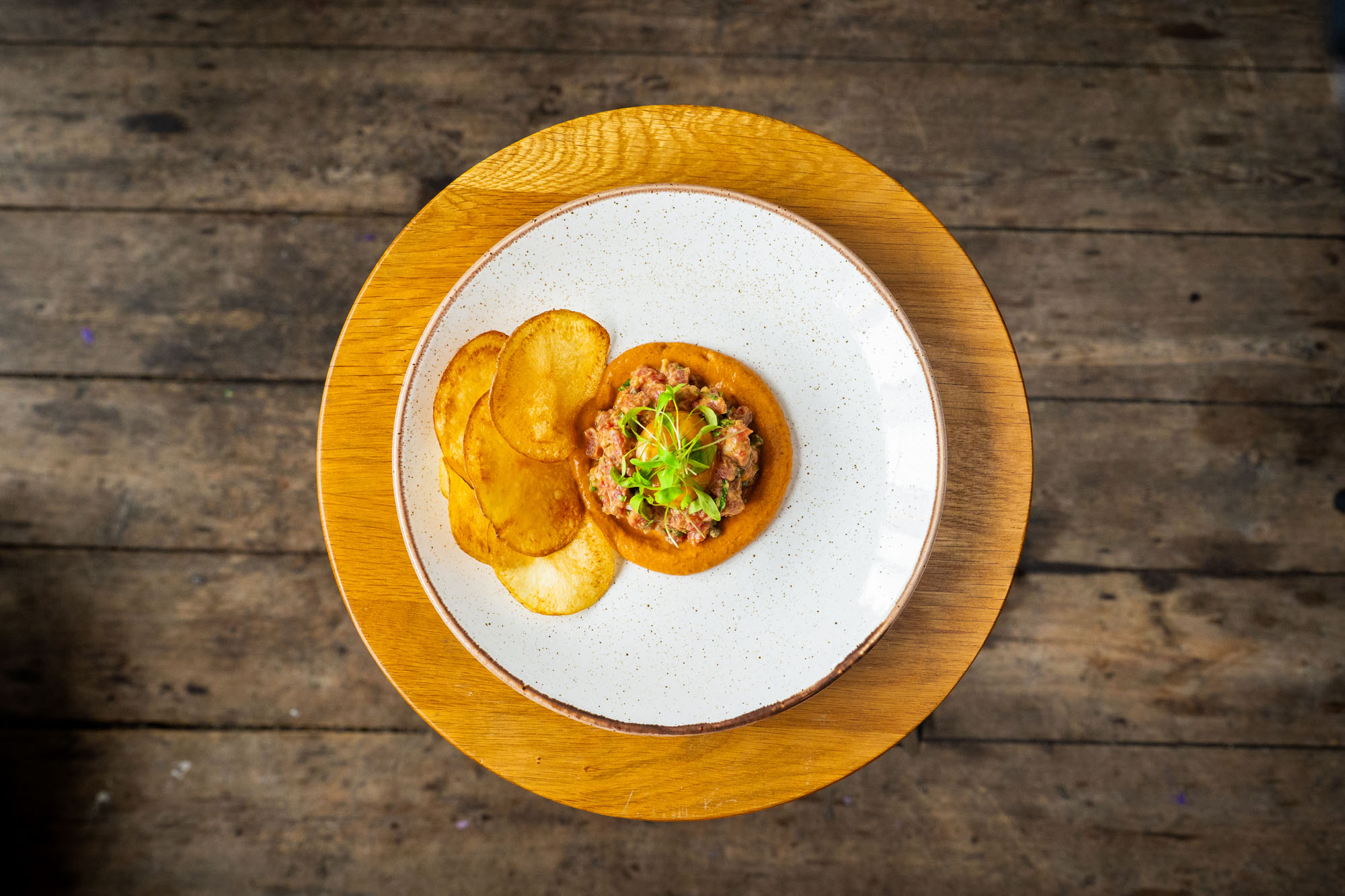
My cooking is deeply influenced by Mediterranean cuisine — it’s produce-led, hyper-seasonal, and focused on letting ingredients speak for themselves, and bringing all of those elements to Apiary has led to some great changes to what is offered there.
Working with different varieties of honey has been very interesting, because each one has its own character — floral, earthy, delicate or bold. Honey doesn’t belong on every single dish, it’s all about finding out what dishes it can add an extra layer of flavour and depth to, and that has been exciting.
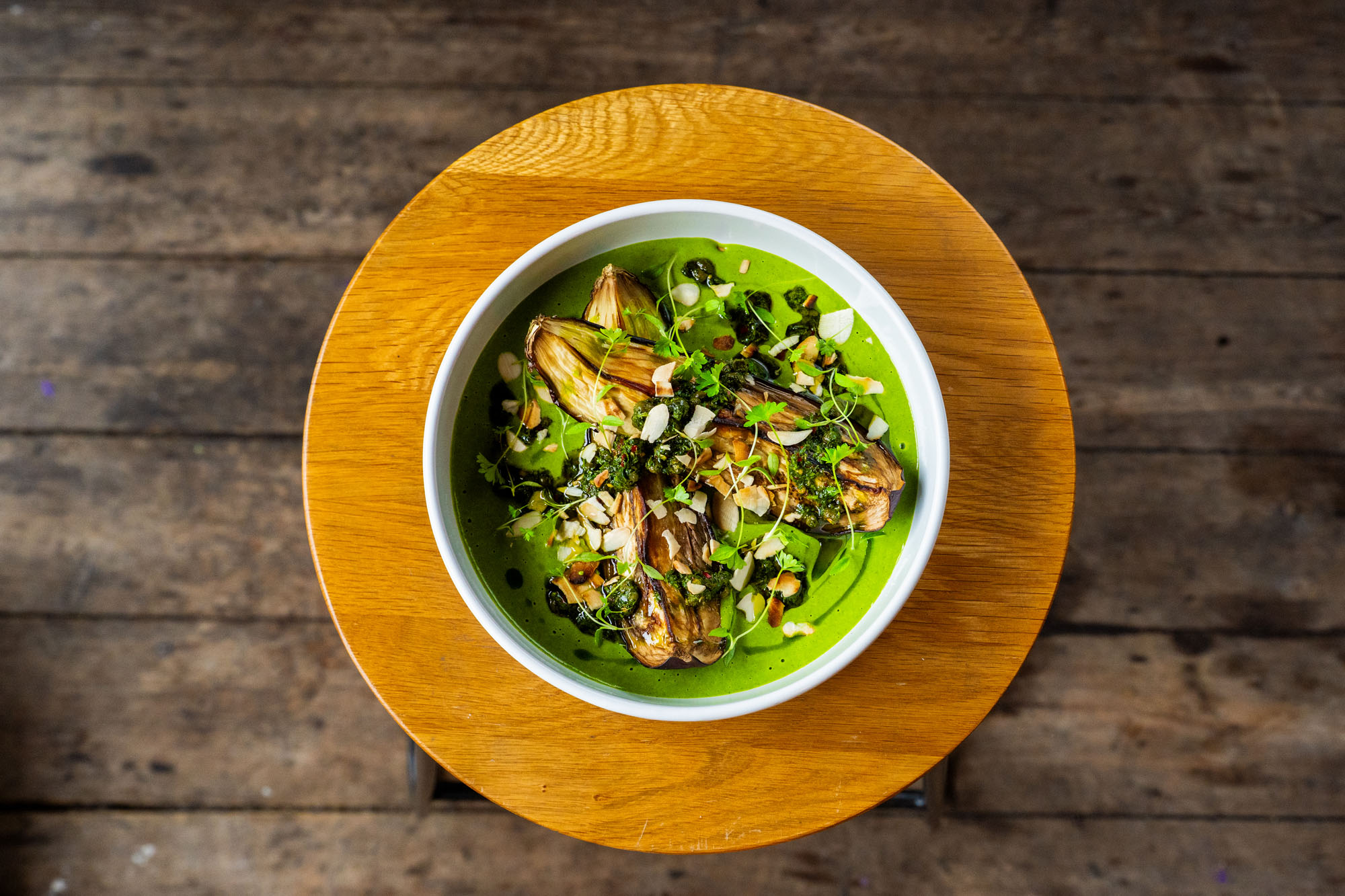
Are there any specific Sussex producers or seasonal ingredients that are currently exciting you?
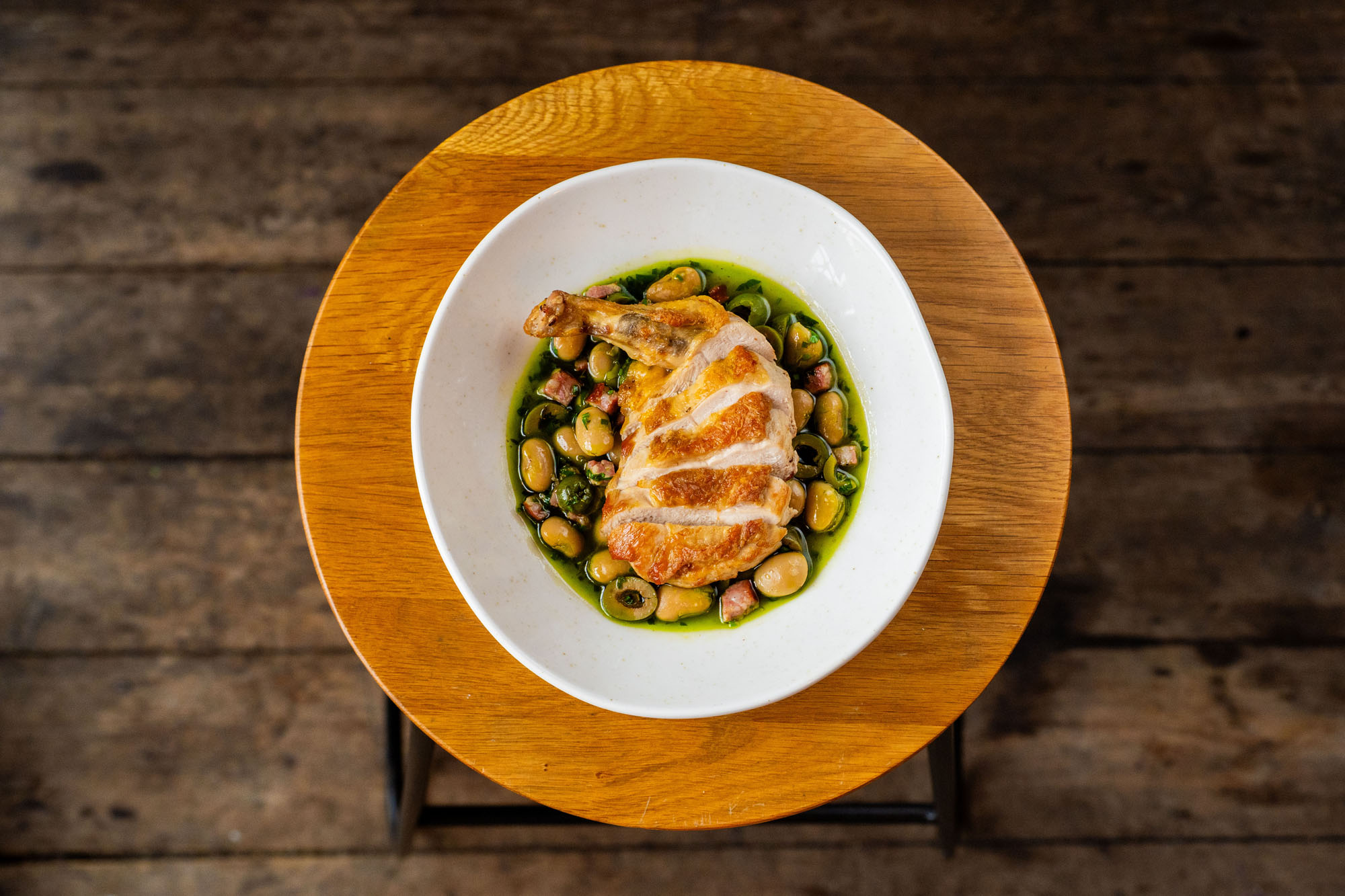
I am really enjoying working with Ashley James Meat Company. I started working with them the moment I joined Apiary to be able to start bringing some larger plates to the menu, and they have been just excellent with supplying us with some really great quality meat and poultry.
I also love having some gorgeous blood oranges and grapefruits on the menu at the moment, and looking forward to adding some wild garlic to the menu as well!
As a woman in a senior leadership role, what do you feel are the biggest challenges women still face in the professional kitchen?
Professional kitchens are still largely male-dominated, and many senior female chefs, myself included, have experienced moments where our authority is quietly questioned. It can be as simple as a delivery driver or contractor walking into the kitchen and walk straight past you to the nearest male chef to ask if they are the one in charge or who can sign paperwork.
Those moments may seem small, but they reflect a deeper, ongoing bias within the industry.
That said, change is happening. More women are speaking up, supporting one another, and using their platforms to push for healthier, more inclusive kitchen cultures. Seeing respected successful female chefs lead that conversation has made a difference — but there’s still work to do.
Another significant challenge is the structure of the profession itself. Kitchens are high-pressure environments with long, demanding hours. For many women, particularly those who want to become mothers, the physical and emotional demands of pregnancy and early motherhood can feel incompatible with traditional kitchen culture.
Until the industry evolves to better support work-life balance and family life, many talented women may hesitate to pursue or remain in senior kitchen roles.
I’m hopeful, though. The conversation is louder now, the awareness is stronger, and I want to believe we’ll continue to see meaningful progress.
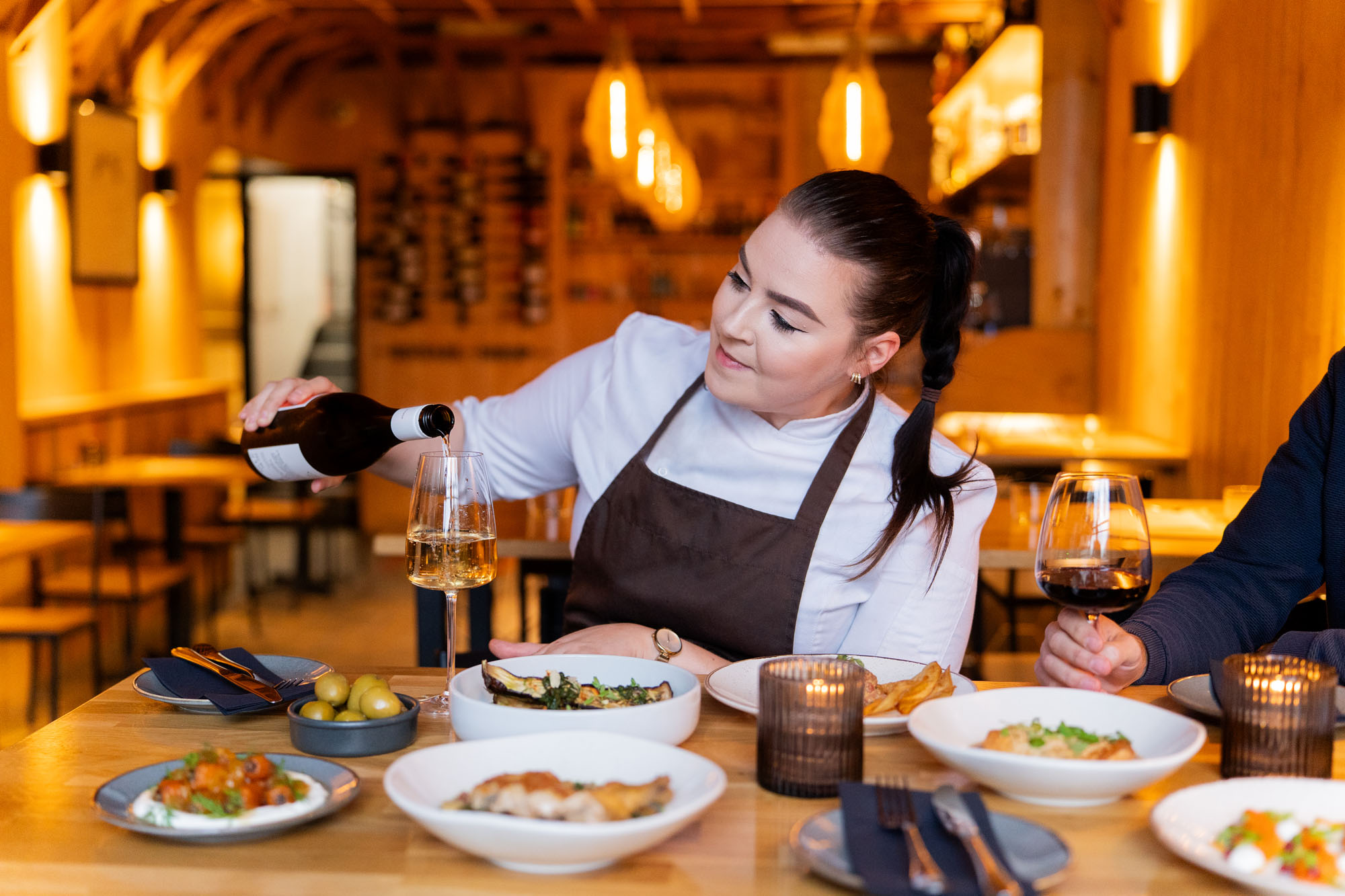
On that note, will we be seeing you at the next “Women in Hospitality” event to connect with the local community?
Yes, I am very excited to come and see some familiar faces and also to connect with many new ones. So when you see me there and recognise me without my chef whites, come and say hello!
Where do you go in Brighton or Hove when you want a truly exceptional dinner experience?
In the last 3 months I have visited Mare, Stem and Market for dinner – all of them were amazing.
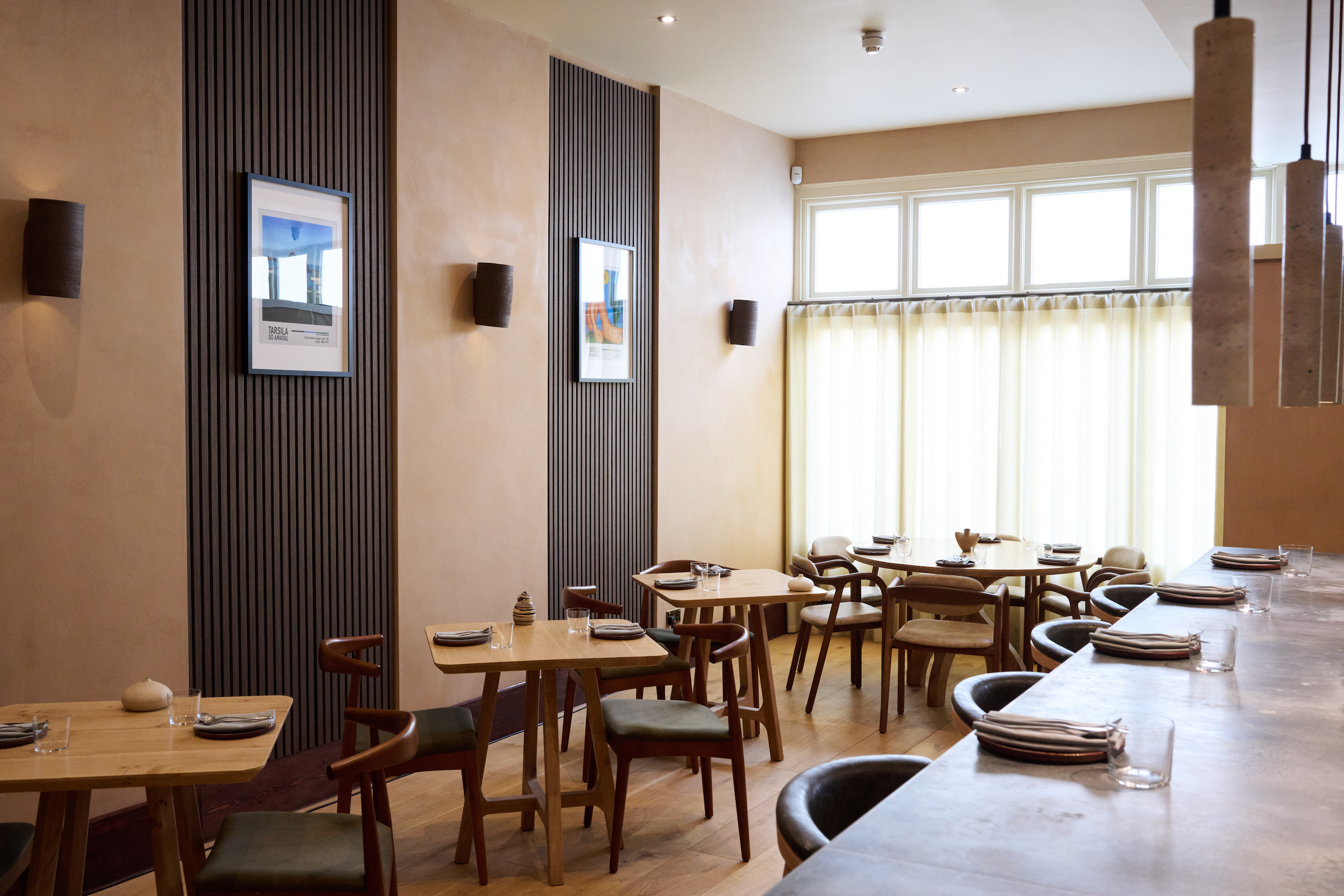
Finally, what is the next big goal for the kitchen at Apiary as the venue continues to evolve?
Since joining, I’ve been focused on maximising the potential of the small kitchen of Apiary, so for me it’s all about continuing pushing the boundaries of what can be achieved there. I have already seen plenty of very happy customers, but I am excited to see even more people discover everything Apiary has to offer and to firmly establish ourselves as a go-to dining destination.