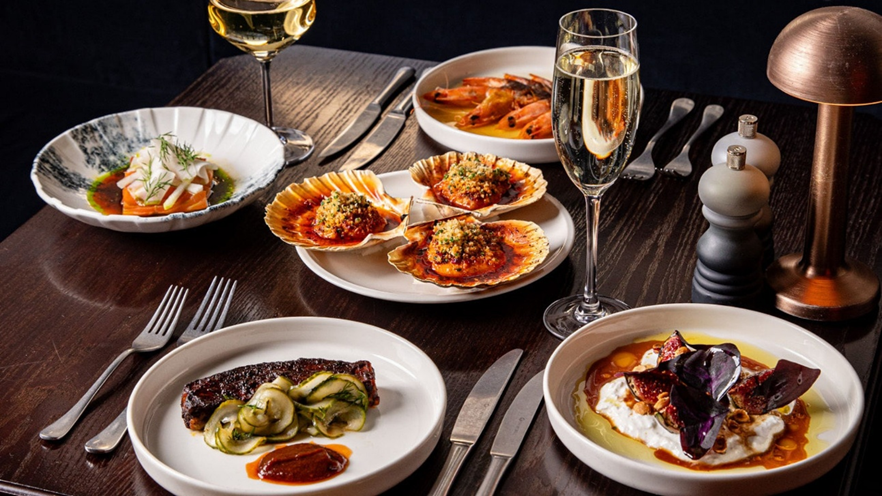
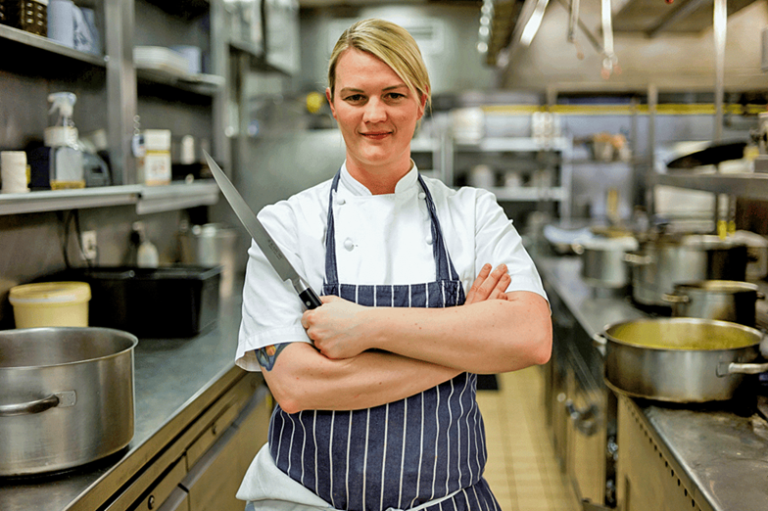
To celebrate International Women’s Day, we sit down with Kim Woodward, Executive Chef at the Black Rock Restaurant Group. From her historic tenure as the first female Head Chef at the Savoy Grill to her television appearances on MasterChef: The Professionals and Great British Menu, Kim is a powerhouse of the UK culinary scene.
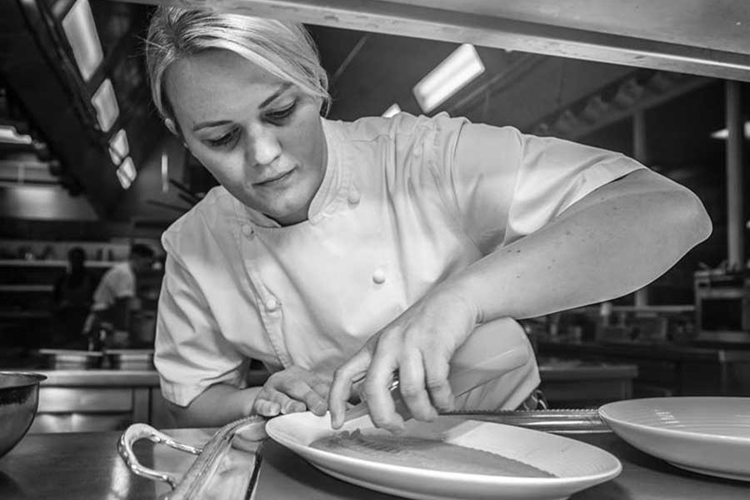
What was the original spark that drew you into the kitchen?
My love of cooking started with my mum. From an early age, baking and cooking at home was a weekly ritual, something that just felt like part of who we were. By the time I was 15, I was completely hooked. I felt drawn to professional kitchens – the fast pace, the energy, the teamwork, being constantly on your feet. There was something about that buzz that just clicked for me.
That’s when I knew this was where I wanted to be.

You spent five years honing your craft in the US before returning to the UK. How did that international experience shape your perspective on kitchen culture early on?
Working in America was an incredible opportunity to throw myself into everything. From 5am starts in the bake shop to working the line alongside 20 chefs during 500-cover services, it was intense in the best possible way.
The buzz, the pressure, the constant need to think and move quickly – you learn fast in that environment.
In any busy restaurant, you either sink or swim. I chose to swim, and I kept pushing forward.
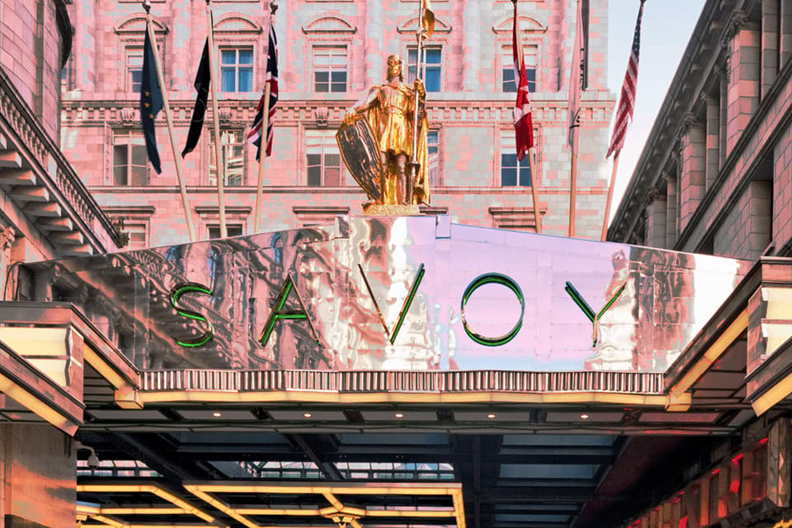
You spent a decade with the Gordon Ramsay Group, eventually becoming the first-ever female Head Chef in the Savoy Grill’s 126-year history. What did that landmark achievement mean to you personally and professionally?
After years of hard work in this industry, having the opportunity to work alongside Gordon Ramsay showed me that when you put your heart and soul into something, the rewards do come. It was an incredible achievement for me. The fact that he believed in me – that trust and recognition, meant everything.
Being part of history at the Savoy Grill is something I will carry with me for the rest of my life. It’s a moment I’ll never forget.
What was Gordon Ramsay like as a mentor, and what is the most valuable lesson he taught you about leadership?
I had the privilege of working closely with Gordon Ramsay, gaining invaluable experience, leadership and advice that shaped me both professionally and personally.
He pushed me to keep going, no matter how tough it got, and taught me to cook with love, passion and drive.
Those lessons have stayed with me and they still guide me every day.
The Savoy Grill is an institution of British tradition. How did it feel to step into such a historically “masculine” environment and successfully put your own stamp on the menu?
The Savoy Grill will remain with some of the best British traditions around, so keeping these iconic dishes was important to the restaurant and its name. Stepping into a kitchen was high in my career, as you have to be a strong minded focused chef to lead that kitchen and I took the challenge.
I found it exciting, thrill seeking, leading the kitchen with 40 chefs, inspiring all and leading them in all services was just great.
You represented the North West on Great British Menu. How did the pressure of the BBC cameras and the challenge of creating “concept” dishes differ from the daily rigours of a high-end service?
I love a good challenge, but this was on another level.
Behind the cameras, they follow you everywhere – which is pretty daunting when you know the whole world could be watching. Every mistake feels magnified, and you’re fully aware that the cameras will catch you at your best and your worst.
But that’s part of it. It pushed me in a completely different way. Stepping outside the rhythm of normal service, embracing something new and unpredictable – it was intense, but it was also a lot of fun.
On Great British Menu, you competed against some of the best in the country. Did that experience change how you approach menu development or storytelling through food?
Of course, being brief was key, so I had to find ways to make an impact quickly. Facing off against some incredible chefs pushed me to stay true to my own ideas and instincts, and really deliver on what I believed in.
You now oversee a powerhouse portfolio including The Coal Shed, The Salt Room, Tutto, and Burnt Orange. How do you balance the distinct identities of these restaurants while maintaining a unified standard of excellence?
This is the exciting part – each restaurant in the group has its own identity and stands on its own. Yes, they’re under one umbrella, but what matters most is the food.
I truly believe in bringing fantastic food to Brighton, and that’s always been the key.
At the end of the day, it’s all about the food.
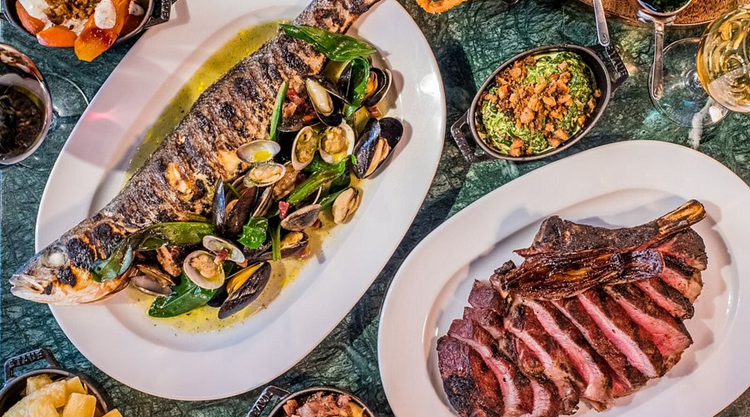
What do you love most about the “vibe” of the Brighton and Hove food scene compared to the high-pressure London circuit?
I don’t spend much time comparing — London is intense and non-stop. Brighton & Hove, on the other hand, has an exciting, emerging food scene, with more and more happening all the time.
I actually enjoy being away from London’s high pressure and immersing myself in Brighton, setting my own pace and my own standards.
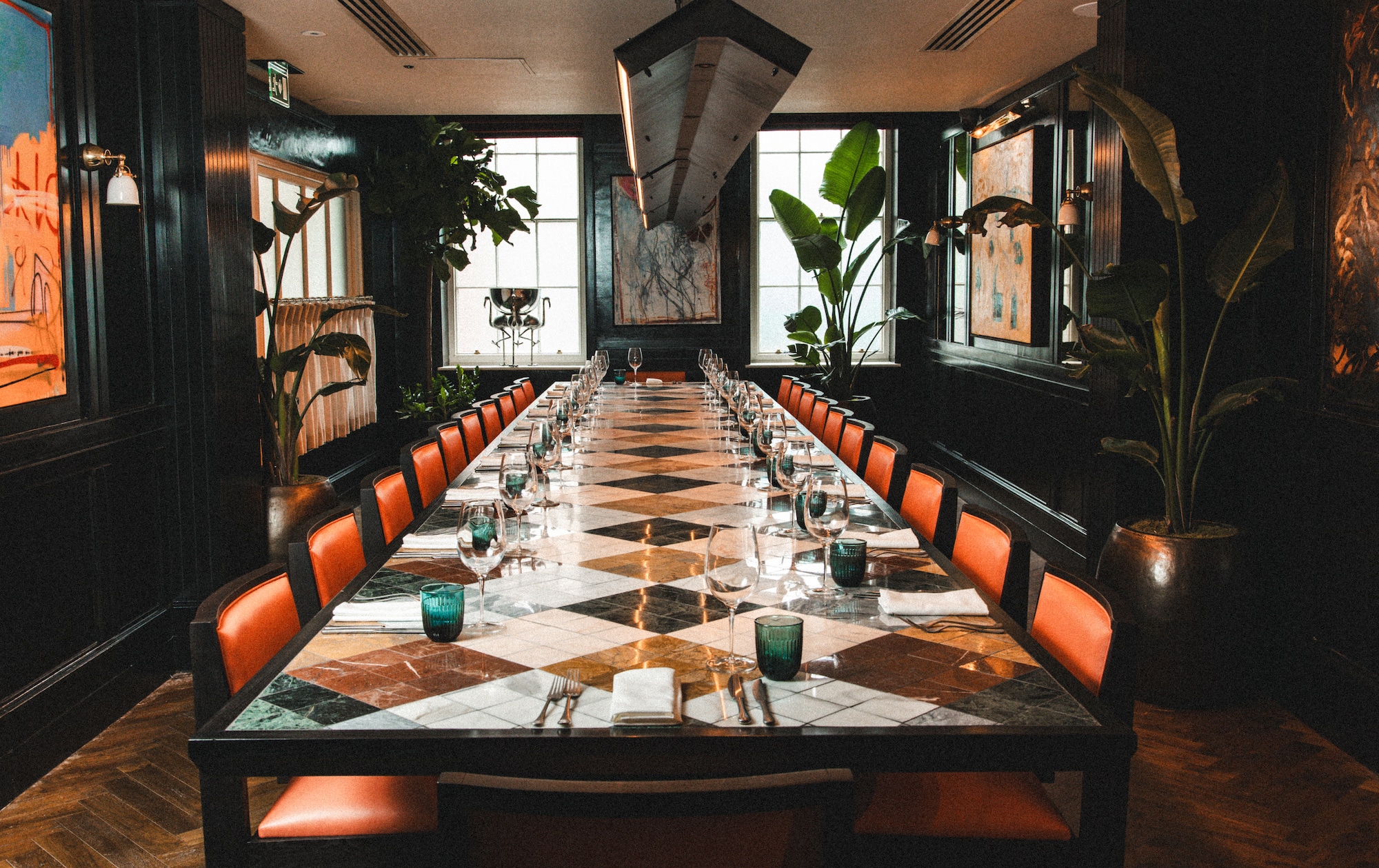
Have you seen a significant shift in the culture for women in the kitchen since you first started your career?
When I first started, there weren’t many women in the industry – it was overwhelmingly male-dominated. Now, it’s incredibly exciting to see so many talented, highly professional female chefs making their mark. It’s truly inspirational to witness.
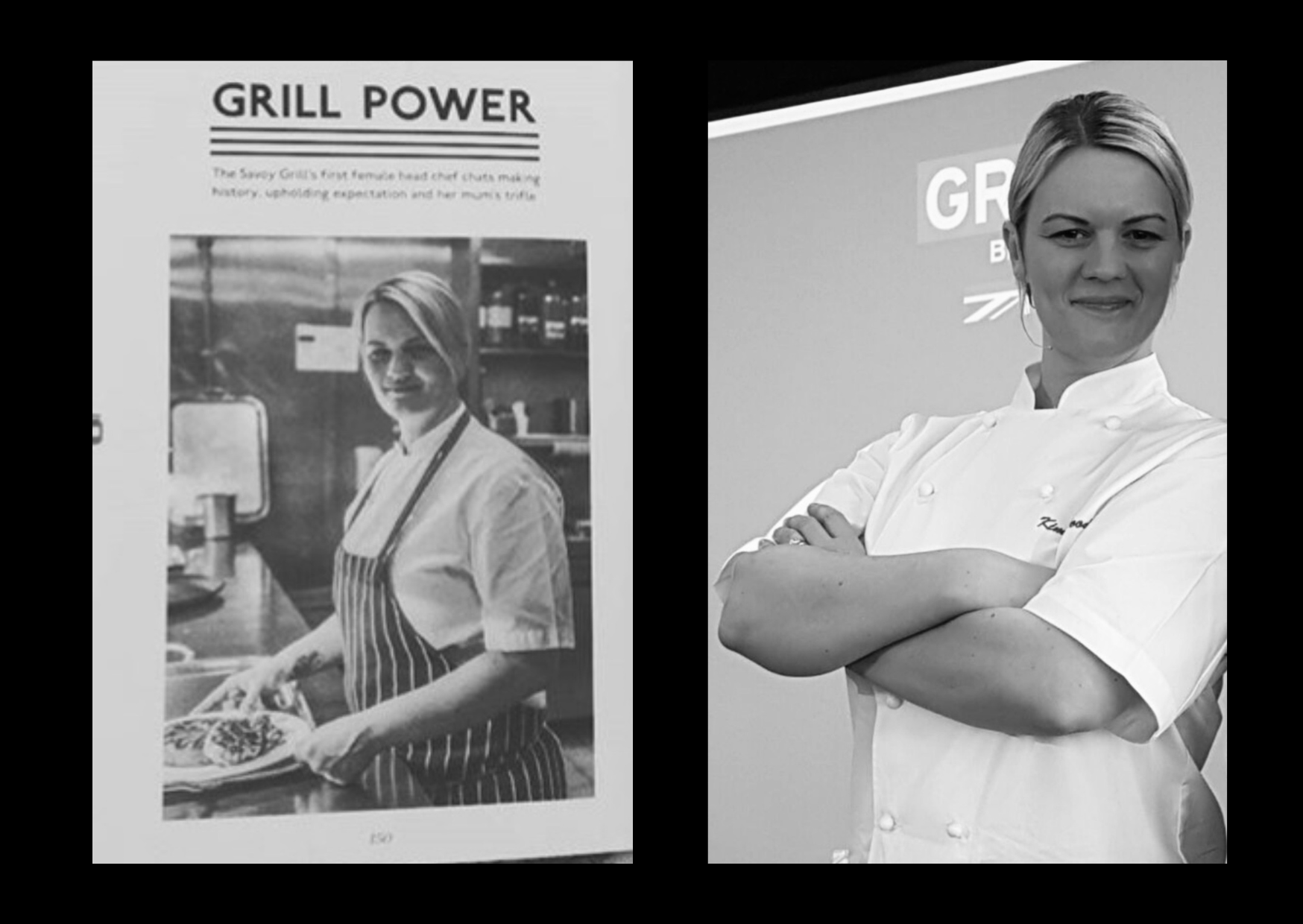
What do you feel is the biggest challenge still facing women in hospitality today, and how do you address these hurdles within your own teams at Black Rock?
One of the biggest challenges we still face is that not enough women are joining the industry.
But for those I have seen within the company, it’s amazing to witness the level of strong, capable women running and leading kitchens across the group.
Their talent and leadership are truly inspiring.
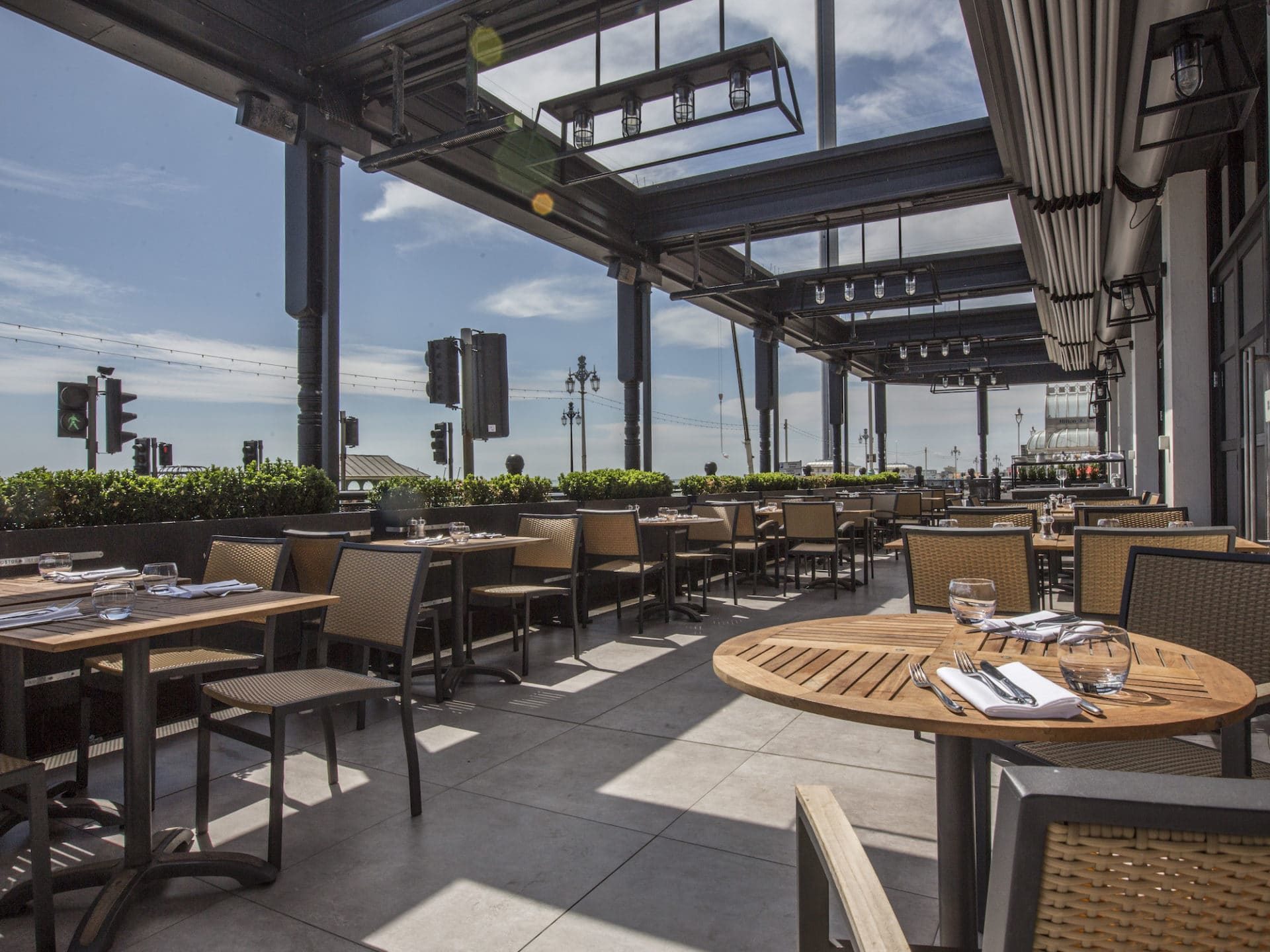
How are you currently supporting and inspiring the next generation of female chefs within your kitchens?
I am a big believer in mentoring. Yes, I truly believe spending time with each of them, they will truly grow, and that’s what I intend to do.
I love seeing the female generation across the kitchens come through and will be pushing for more to join.
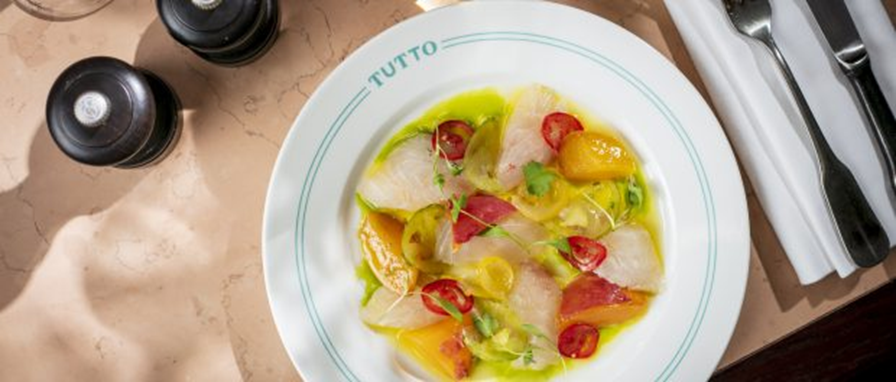
When you finally get a night off from the pass, where is your go-to spot in Brighton or Hove to eat, and what are you usually ordering?
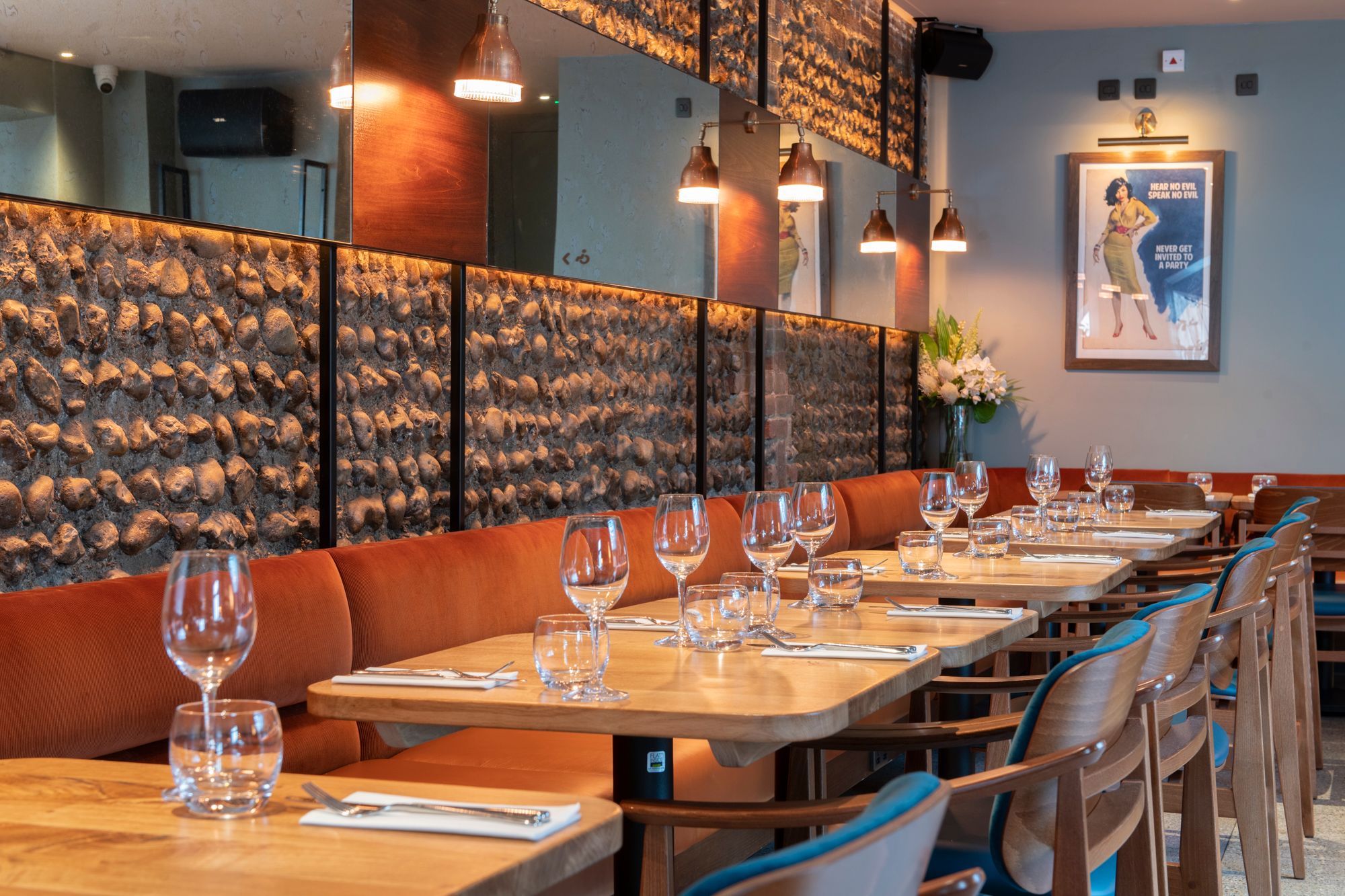
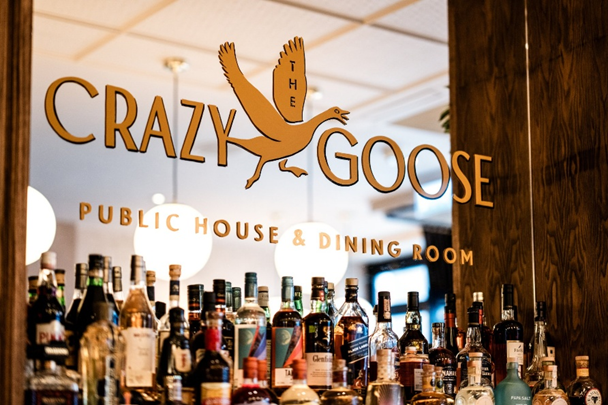
With the recent launch of The Crazy Goose pub, the group continues to expand. What is it about the Sussex area that makes it such an exciting place for the hospitality industry right now?
Keeping the industry alive means opening up exciting new venues, like The Crazy Goose, places that give people a reason to visit. And with the Salt Room returning this spring, there’s even more to look forward to. It’s an exciting time for Brighton’s food scene.
Finally, what advice would you give to a young woman starting her first day in a professional kitchen, dreaming of one day becoming an Executive Chef?
Watch, listen, and learn. In those first five years, you can soak up so much like a sponge, but the key is to keep your head down, get on with it, ask the right questions, and make your own mistakes. Keep going; that’s all I did. If you want it, go and get it. That’s exactly what I did.